
24/7 Customer Support

Free returns

Same-day & Next-day Delivery

Quality Guaranteed

Unlock Your Welcome Offers: FREE Delivery | Up to 80% OFF | Free 30-day JoyPlus trial
Download the APP
Asian instant noodles can be a practical cupboard staple for students, busy professionals and anyone wanting a quick lunch without a long preparation time. However, the packaging can make products look more similar than they really are. A small cup may be suitable for a snack, while a large bowl or multipack may offer better value for regular meals.
Before buying, look beyond flavour names and promotional images. The preparation method, allergen information, portion size and storage requirements can make a noticeable difference to your choice.
Not all cup noodles are soup-based. Some products need most of the water drained before the seasoning is mixed through the noodles. Nongshim Shin Ramyun Toomba, for example, is a stir-fry-style instant ramen rather than a broth noodle. It requires boiling the noodles, draining most of the water and combining the seasoning paste and powder.
If you want a desk-friendly lunch with no saucepan, choose instant noodle cups with clear hot-water instructions. If you prefer a thicker sauce, stir-fry formats may be more suitable, but they require more preparation.
Spice levels vary between Korean instant noodles, kimchi noodles and chilli-based Japanese or Vietnamese flavours. A product described as spicy may offer a warm savoury kick, while spicy Korean noodles such as Samyang Buldak noodles can be considerably more intense.
Flavour style matters too. Kimchi noodles usually combine sour, fermented and chilli notes, while Korean BBQ varieties tend to be sweeter and savoury. Check the ingredients and serving instructions rather than relying only on front-of-pack imagery.
Asian instant noodles commonly contain wheat, soya, sesame, fish, crustaceans, milk or mustard. Some products may also carry “may contain” warnings. Always read the current packaging, particularly if you have an allergy or are buying for someone else.
Nutrition panels can also be misleading when comparing products. Some list values per 100g, while others provide information per cup or prepared portion. Salt content, serving weight and whether the entire seasoning sachet is used are useful points to check before purchasing.
Most cup noodles require boiling water and around three to five minutes of standing time. For example, Ottogi Jin Cup Ramyun Spicy advises adding boiling water and waiting four minutes. Nongshim Instant Shin Cup Noodle Soup requires approximately three minutes.
Some products must not be microwaved in their original cup, while others provide microwave or hob instructions. Follow the directions on the packaging and take care when handling hot water.
A 67–75g cup may work well as a snack or light lunch. Larger 104–137g bowls and packets are more appropriate when you want a fuller meal. Sauce-based noodles can feel richer because the seasoning coats the noodles, whereas soup formats provide a broth to sip.
For a Japanese-style option, ACECOOK Ippin Instant Ramen Cup Tokyo Shoyu Flavour 73g offers wheat noodles with a soy-sauce-style seasoning. The ACECOOK Ippin Hakata Tonkotsu Flavour 74g has a creamy-style seasoning containing milk and sesame, so it is particularly important to check the allergen information.

Why This Fits Their Persona: A six-cup format suits students, shared flats and shoppers who want familiar Korean instant ramen ready for quick lunches or evening snacks.
The six individual 68g cups make the total quantity clear, avoiding the uncertainty of comparing a single serving with a larger bowl.
Six separate portions; cup preparation requires boiling water and a short standing time.
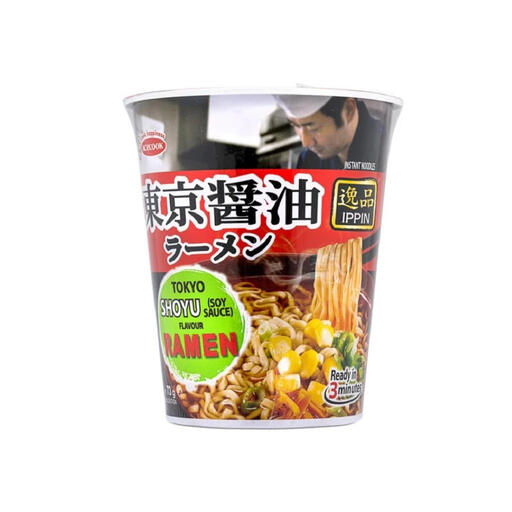
Why This Fits Their Persona: Suitable for shoppers looking for a Japanese ramen cup with a soy-sauce-style profile rather than a strongly chilli-led flavour.
The product listing identifies the 73g cup format and lists wheat, soya, fish and chicken-related ingredients for easier suitability checks.
73g single cup; shoyu-style seasoning; convenient hot-water preparation.

Why This Fits Their Persona: Designed for regular shoppers who want larger 137g servings and a stocked cupboard of sauce-based Korean noodles.
The listing clearly states that this is a stir-fry format, helping prevent buyers expecting a soup from choosing the wrong preparation style.
Five 137g servings; separate seasoning powder and paste; preparation takes approximately three to five minutes before mixing.
We have compiled a complete, real-time list of products that fully satisfy these strict selection criteria and UK safety regulations.
Most dried instant noodles have a best-before date printed on the cup, bowl or packet. Store them in a cool, dry place away from moisture and direct sunlight. Check the packaging before purchase and rotate older products to the front of your cupboard.
Usually, yes. Many instant noodle cups only require freshly boiled water from a kettle. Pour water to the marked line, close the lid and wait for the stated time. Some stir-fry cups require draining, so ensure the lid design allows this safely and follow the specific instructions.
A multipack may reduce the cost per serving, but compare the total net weight, number of portions and flavour you will realistically eat. Multipacks are most practical when you already know your preferred spice level and preparation style.