
24/7 Customer Support

Free returns

Same-day & Next-day Delivery

Quality Guaranteed

Unlock Your Welcome Offers: FREE Delivery | Up to 80% OFF | Free 30-day JoyPlus trial
Download the APP
Asian instant noodles can be an inexpensive cupboard staple, a quick student meal or a convenient way to explore Korean, Chinese, Vietnamese and Indonesian flavours. However, attractive packaging does not always tell you what you need to know about preparation, portion size, spice or allergens.
This guide explains the practical details to check before buying Asian instant noodles, including instant ramen, Korean noodles, Chinese noodles, Vietnamese pho noodles and Indonesian Mi Goreng.
Some noodle products are designed as soups, while others must be drained and mixed with sauce. Buying the wrong style can lead to a disappointing meal or incorrect preparation.
Check the preparation instructions rather than relying only on photographs on the front of the packet.
Terms such as “hot”, “fire” or “nuclear” are marketing descriptions, not standardised UK heat ratings. Spice tolerance varies considerably, so first-time buyers may prefer mild Korean noodles or a product with a separate chilli sachet.
For example, the Samyang Original Hot Chicken Ramen is labelled as extremely spicy, while mild ramen provides a more manageable option for family meals or shared cupboards.
A five-pack may suit a student or couple, but a 20-pack or 40-pack needs adequate storage and regular consumption. Also check the full ingredient list for wheat, soya, sesame, celery, peanuts, crustaceans, fish, molluscs and mustard where relevant.
Nutritional information can vary significantly. Several products in this category contain around 3–5g of salt per 100g, so compare labels and consider adding vegetables, egg, tofu or cooked meat to make a more balanced meal.
The main ingredients affect both texture and cooking method:
If you need gluten-free food, do not assume that a product made primarily from rice is suitable. Check the allergen statement and the complete packaging information.
Most quick noodle meals take between three and eight minutes, but the method differs. Some require boiling on the hob, while others can be steeped in boiling water. Products such as instant pho may be practical for an office kitchen, whereas dried Chinese noodles are more suitable when you have a saucepan available.
Follow the stated water quantity and cooking time. For drained products, leaving too much water can dilute the sauce; for soup products, using too little can make the broth overly salty.
Look for the format that matches your preferred meal:
For a more substantial bowl, add spring onions, mushrooms, pak choi, beansprouts or a protein of your choice after checking cooking and food-safety requirements.

Why This Fits Their Persona: A five-pack gives students, first-time buyers and busy households several quick meals without committing to a large case.
It is clearly a dry stir-fried noodle, so the instructions do not rely on guessing whether to retain the cooking water.
Three seasoning components include sweet soya sauce and crispy fried onions; each serving cooks in about three minutes.
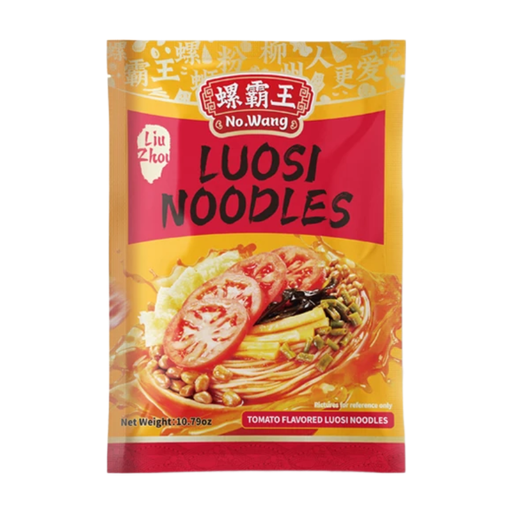
Why This Fits Their Persona: Suitable for Asian food enthusiasts wanting a more layered Chinese noodle dish rather than a basic single-sachet ramen.
The pack format shows that the dish includes separate noodles, soup base and topping packets, making the preparation more transparent.
Includes pickled bamboo shoots, peanuts, fried bean curd and a tomato-flavoured broth. Allergens include wheat, soya, peanuts, molluscs and sulphites.
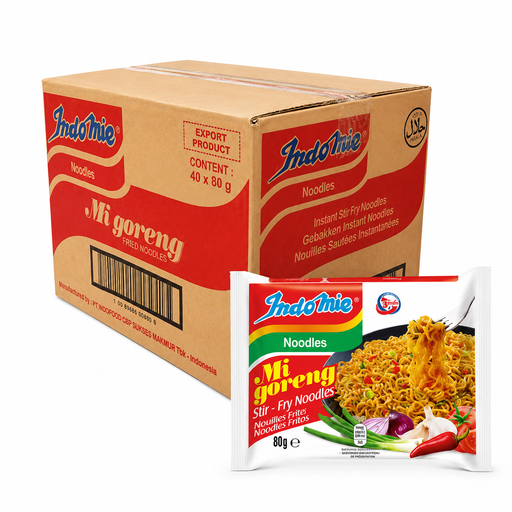
Why This Fits Their Persona: A practical stock-up option for large households, shared accommodation, offices or regular Indonesian noodle fans.
The total quantity is stated as 40 individual servings, reducing uncertainty when comparing noodle multipacks.
Each pack contains noodles, sweet soya sauce, oil, seasoning and fried shallots; cooking takes approximately three minutes.

Why This Fits Their Persona: Designed for shoppers who enjoy spicy Korean noodles but want a creamy stir-fry format rather than a conventional soup.
The instructions explicitly state that it is a stir-fry noodle, with the water drained before the powder and paste are mixed in.
The pack contains five 137g servings and thick noodles with a spicy, creamy-style sauce. It contains wheat, soya, almond and mustard.
We have compiled a complete, real-time list of products that fully satisfy these strict selection criteria and UK safety regulations.
Keep unopened noodles in a cool, dry place away from direct sunlight. Once an individual packet is opened, prepare it promptly and follow the storage advice on the packaging.
For soup-based Vietnamese pho noodles, measure the water carefully and add fresh herbs, lime or cooked meat if desired. For rice vermicelli, rinse and drain after cooking to prevent excess starch from affecting the texture. For instant ramen and Korean noodles, check whether the seasoning should be added before or after draining.
Never consume uncooked noodle blocks unless the packaging specifically states that the product is ready to eat. Check the best-before date, packaging condition and allergen information before use.
Yes. Products that only require boiling water, such as some instant pho and packet noodles, can be convenient for work or study. Use a heatproof container, follow the stated standing time and ensure the noodles are thoroughly cooked.
Shelf life varies by product and batch. Check the best-before date printed on the packaging and store the noodles in a cool, dry cupboard. Large noodle multipacks should only be purchased when you expect to use them within the stated period.
The noodle type alone does not determine the overall nutritional profile. Rice noodles may have a different ingredient composition, but the accompanying soup, sauce and oil sachets can contribute substantial salt, fat or energy. Compare the full nutrition panel and add fresh ingredients where suitable.