
24/7 Customer Support

Free returns

Same-day & Next-day Delivery

Quality Guaranteed

Unlock Your Welcome Offers: FREE Delivery | Up to 80% OFF | Free 30-day JoyPlus trial
Download the APP
An Asian instant noodles multipack can be a convenient way to stock up for quick lunches, student meals, office cupboards or family snacks. However, the cheapest-looking option is not always the most suitable. Large boxes may contain flavours your household does not enjoy, while smaller packs can cost more per serving.
Before choosing Korean instant noodles, Chinese instant noodles, Japanese ramen or Indonesian instant noodles, check three common buying traps: pack size, preparation style and flavour intensity.
A multipack may contain five, 12, 20 or 40 individual portions. Compare both the number of servings and the total weight, rather than judging value by the box size alone. A 40-pack of 80g noodles is a substantial pantry purchase, but a five-pack of 137g servings may provide larger portions.
For regular household use, a five-pack or ramen multipack is easier to store and try. Bulk instant noodles are more suitable when you already know the flavour will be used frequently, or when buying for an office, retailer or shared accommodation.
Not every noodle pack is designed for a bowl of broth. Soup noodles are usually cooked with the seasoning and water together, while stir-fry noodles are boiled, drained and coated with sauce.
Products such as creamy spicy ramen, dry Korean noodles and some Indonesian varieties may use a sauce sachet rather than a soup base. Check the cooking instructions before ordering, particularly if you want a quick desk lunch without carrying extra broth or a large bowl.
Words such as “hot”, “spicy” or “chilli” can vary considerably between products. A mild Korean-style soup and a fiery spicy ramen are not interchangeable. If several people will share the pack, a balanced or mild flavour may be more practical.
Always read the UK-facing label and ingredient list. Common allergens across Asian instant noodles include wheat, soya, sesame, celery, mustard, milk, egg, fish and peanuts. Products may also contain flavour enhancers and have comparatively high salt levels. For example, the listed nutrition for some products ranges from approximately 2.3g to 6.5g salt per serving, so compare the pack information rather than relying on flavour descriptions.
Decide how you plan to eat the noodles:
Preparation time also varies. Some Japanese ramen products state around three minutes, while thicker Korean noodles may require four to five minutes.
Individual portions in the listed range include 80g, 100g, 105g, 120g, 130g, 137g and larger 242g meal kits. Portion weight affects satiety, cupboard space and cost per meal.
For occasional meals, a five-pack offers variety without a large commitment. For regular consumption or resale, consider a 20- or 40-pack. Check whether the product is supplied as individual pouches, sealed packets, bowls or a case, as packaging affects storage and transport.
Look for clearly stated ingredients and preparation guidance. Some products include dehydrated vegetables, seaweed, sesame oil, chicken seasoning, beef seasoning or separate sauce packets. These details affect both flavour and dietary suitability.
For UK shoppers, check the bold allergen declaration on the packaging before eating. Also review energy, fat and salt per serving, not just per 100g. Instant noodles are convenient cupboard foods and are best selected as part of a varied diet, with vegetables, eggs or other toppings added according to personal preference.

Why This Fits Their Persona: Five 120g servings provide a manageable introduction to Korean instant noodles for students, couples or households that want to try a milder soup flavour.
The product is identified as mild, helping avoid an unsuitable spice level, and includes separate soup powder and dehydrated vegetables.
Five individual 120g packs; soup base includes a vegetable mix with cabbage, carrot, spring onion, mushroom and seaweed.
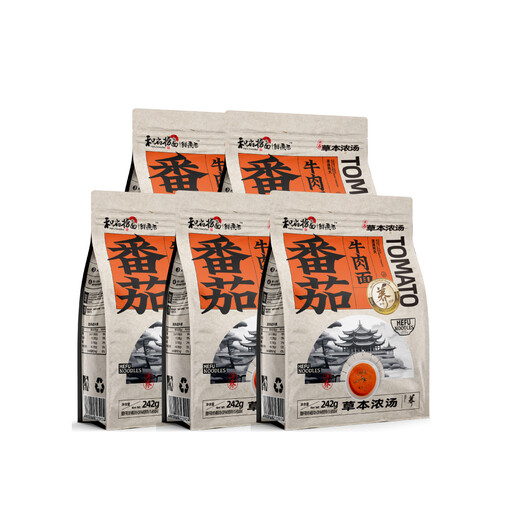
Why This Fits Their Persona: The larger semi-dry noodle meal kits suit shoppers seeking a more substantial bowl with separate tomato soup, braised beef and vegetable components.
The 242g format makes the portion size clear, while separate components show what is included rather than relying on front-of-pack imagery.
Five servings; includes tomato soup, braised beef product and dehydrated vegetables alongside semi-dry noodles.

Why This Fits Their Persona: Designed for shoppers who prefer bold Korean-style spice and a sauce-coated meal rather than conventional soup ramen.
The listing clearly states that it is stir-fry style, not soup, with instructions to drain the noodles and mix the powder and paste.
Five 137g servings; includes seasoning powder and paste, with wheat, soya, almond and mustard listed as allergens.
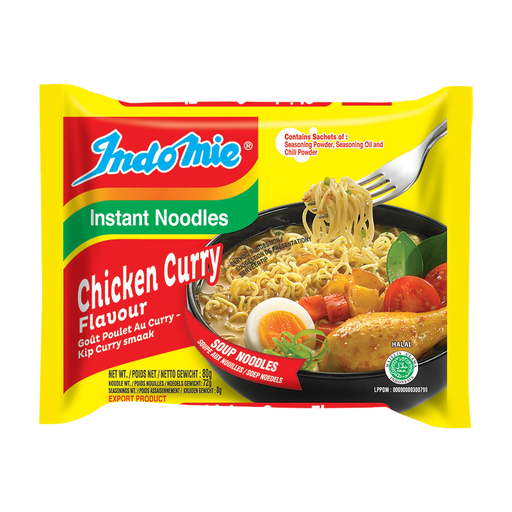
Why This Fits Their Persona: The 40-pack is suited to offices, retailers, large households and regular noodle eaters who want a substantial Indonesian import.
The box quantity and 80g individual serving size are stated clearly, reducing confusion about how much food the case contains.
40 individual packs; includes curry, chicken, oil and spice sachets, with wheat, soya and sesame declared.
We have compiled a complete, real-time list of products that fully satisfy these strict selection criteria and UK safety regulations.
Check the best-before date printed on the outer packaging or individual packs. Unopened noodles should generally be stored in a cool, dry place away from direct sunlight, moisture and strong odours. Once opened, prepare the individual portion promptly and follow the product instructions.
Yes, provided the office has access to boiling water or a hob and the preparation style is suitable. Cup noodles and soup noodles are convenient where only a kettle is available. Stir-fry noodles require draining, so they are more practical in a kitchen with a pan and colander. Check allergens before bringing shared food into an office.