
24/7 Customer Support

Free returns

Same-day & Next-day Delivery

Quality Guaranteed

Unlock Your Welcome Offers: FREE Delivery | Up to 80% OFF | Free 30-day JoyPlus trial
Download the APP
Buying an Asian instant noodles multipack can make quick meals easier, but the large range of Korean ramen, Japanese ramen, Indonesian mi goreng and Chinese-style noodles also creates room for costly mistakes. A low unit price may hide a pack that is too spicy, too small for a full meal or inconvenient to prepare in a shared kitchen.
This guide explains what to check before buying, then matches several options to different UK shopping habits.
A five-pack does not always mean five equally substantial meals. Individual servings in the reference range vary from 75g to 140g, while bowl formats may contain 80g or more. Check both the number of portions and net weight per portion before comparing prices.
For example, a 5-pack of 120g Korean noodles provides a different meal size from a 5-pack of 75g chicken noodles. Larger portions may suit a hungry student or pantry stock-up, while smaller packs can work better as snacks or lighter lunches.
Marketing language around spicy ramen can make heat levels difficult to judge. A chilli-based soup noodle and a dry stir-fried noodle can deliver very different eating experiences. Stir-fried noodles are mixed with concentrated sauce after draining, whereas soup noodles dilute their seasoning in cooking water.
If you are new to Korean noodles, a mild soup format may be more suitable than an extremely hot chicken-flavour noodle. For experienced spice enthusiasts, check the product description and preparation instructions rather than relying only on front-of-pack wording.
“Quick” does not always mean kettle-only. Some products require a saucepan, draining, retained cooking water or a microwave. Cup noodles are convenient for university halls, offices and travel, but standard packet noodles can offer more control over texture and toppings.
Also check whether the product is soup-based or stir-fried. This affects the amount of water, cooking equipment and washing-up required.
For regular pantry stocking, compare:
A large bulk instant noodles box can reduce how often you shop, but it needs suitable cupboard space and a realistic consumption plan. Always check the best-before information on the packaging, particularly when purchasing a case.
Japanese ramen and many chicken noodles are usually prepared in broth. Nissin Demae Ramen Chicken and Sesame, for example, use boiling water and seasoning oil to create a soup-style serving in around three minutes according to their listed instructions.
Indonesian mi goreng is different: the noodles are cooked, drained and mixed with sweet soy sauce, seasoning oil and other sachets. Korean jjajang and some spicy ramen products also use a drained, sauce-coated format.
Choose soup noodles for a warming bowl and easy spoon-based eating. Select stir-fried noodles when you prefer stronger sauce concentration and less liquid.
UK shoppers should read the ingredients and allergen information every time, especially when ordering unfamiliar Asian grocery noodles. Common allergens across these products include wheat, gluten, soya, sesame, milk, celery, mustard and almond. Formulas and packaging can change, so the label supplied with your order should take priority.
Salt, fat and energy values also vary. Compare figures on the same basis, preferably per 100g, rather than comparing one product’s prepared values with another product’s dry values. Instant noodles can be included as part of a varied diet, with vegetables, eggs or other ingredients added according to personal preference.
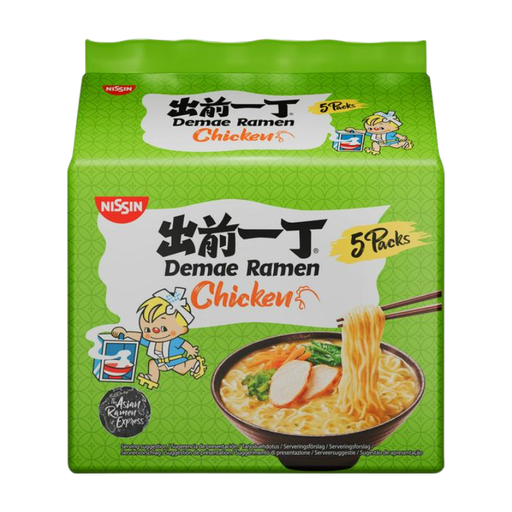
Why This Fits Their Persona: A familiar chicken flavour, five 100g servings and a listed three-minute hob preparation make this a straightforward starting point for students, new buyers and weekday lunches.
The pack size and 100g individual weight are clearly stated, while the soup format avoids the uncertainty of a concentrated stir-fry sauce.
Three-minute preparation; includes chicken seasoning powder and flavoured oil.

Why This Fits Their Persona: The 137g servings and two-part seasoning system suit shoppers looking for a fuller Korean-style meal with a creamy, spicy sauce profile.
The listing identifies it as stir-fry style, so buyers know to drain the noodles rather than expect a soup bowl.
Five 137g servings; includes seasoning powder and paste for a layered sauce.
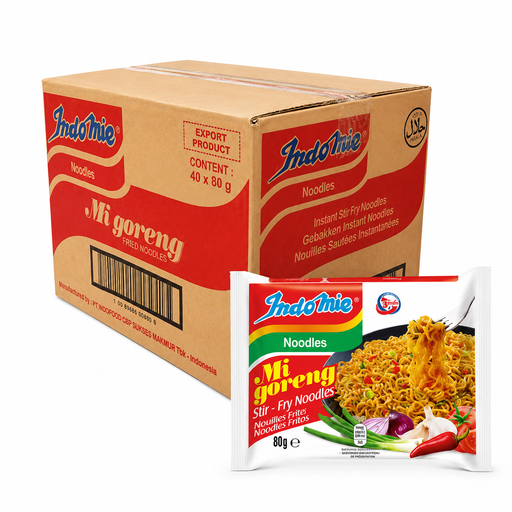
Why This Fits Their Persona: Forty individual servings are designed for households, offices, shared accommodation and shoppers who want to reduce repeat trips for Asian grocery noodles.
The total quantity and individual 80g portion are specified, helping heavy users calculate cupboard space and expected consumption.
Forty packs; dry mi goreng format with sweet soy sauce, oil and fried shallot sachets.

Why This Fits Their Persona: The mild profile, 120g servings and included vegetable mix make this a practical option for households that want Korean-style soup without an intense chilli focus.
The product is labelled mild, helping families avoid buying a heat-focused multipack that some diners may not use.
Five 120g servings; includes soup powder and dehydrated vegetables.
We have compiled a complete, real-time list of products that fully satisfy these strict selection criteria and UK safety regulations.
Some are, particularly cup noodles and products with instructions for adding boiling water and standing for several minutes. Others require cooking in a saucepan, draining or mixing sauce separately. Always follow the preparation method printed on the product packaging.
Unopened instant noodles are ambient products with a best-before date shown on the packaging. Store them in a cool, dry place away from direct sunlight and moisture. Once an individual packet or cup is opened, prepare it according to the instructions and consume promptly.
They can offer a lower unit price, but this depends on the pack cost, portion weight and delivery charges. Calculate the price per 100g or per serving, then consider storage space, best-before timing and whether every flavour in the bulk pack suits your household.