
24/7 Customer Support

Free returns

Same-day & Next-day Delivery

Quality Guaranteed

Unlock Your Welcome Offers: FREE Delivery | Up to 80% OFF | Free 30-day JoyPlus trial
Download the APP
An Asian instant noodles multipack can make student lunches, office meals and late-night snacks much easier. However, a low price or eye-catching “extra spicy” label does not always tell you what you are buying. Pack size, preparation method, allergens and nutritional information can vary considerably between Chinese instant noodles, Korean instant noodles, Japanese instant noodles and other Asian-style options.
As the Joybuy Product Recommendation Officer, my role is to filter out confusing marketing language and focus on practical details that matter when choosing noodles for a UK household.
A noodles 5 pack may look cheaper than a larger case, but individual packs can have different weights. For example, a 5-pack may contain 75g portions, while another contains 120g portions. Compare the total net weight and weight per serving, not just the headline price.
For occasional snacks, smaller portions may be suitable. For hungry students, families or office pantries, bulk instant noodles with larger servings may offer a more practical stock-up format.
Some spicy instant noodles are soup-based: add boiling water and retain the broth. Others are dry stir-fried noodles: cook or soak the noodles, drain the water, then mix in sauce. Using the wrong method can leave the texture too soft or the flavour too concentrated.
Check whether the product requires:
This is particularly important in offices, university halls and workplaces where a kettle may be available but a hob is not.
“Beef flavour” or “chicken flavour” does not necessarily mean the product contains a substantial amount of meat. Some products use seasoning, beef powder, chicken powder or artificial meat pieces made from soya. Review the ingredient list if the distinction matters to you.
Also check allergens carefully. Many authentic Asian noodles contain wheat, soya or sesame, while some may also contain celery, fish, egg, milk or crustaceans. Imported food packaging should provide the legally required allergen information, but always check the product label supplied with your order.
For one person, a 5-pack is generally easier to store and use before the best-before date. A 12-pack or 20-pack may suit regular consumers, shared accommodation or an office pantry. A 30-pack is more appropriate when you already know the flavour is suitable for your household.
Keep unopened noodles in a cool, dry place away from direct sunlight and moisture. Multipacks take up more cupboard space than individual packets, so check the total weight before ordering in bulk.
Soup noodles are convenient when you want a warm bowl with minimal preparation. Dry stir-fried noodles, such as Mi Goreng-style products, are useful when you prefer a concentrated sauce without broth. Cup and bucket formats can be practical at work, but they may require more shelf space and have different serving weights.
Read the instructions for water volume and cooking time. Common preparation times range from approximately three to five minutes, but the product packaging should take priority.
Nutrition panels are usually displayed per 100g, while a serving may weigh more or less than 100g. For example, a 120g pack will contain more than the listed per-100g amount. Compare energy, saturated fat and salt across products, particularly if you plan to eat instant noodles regularly.
The supplied product details show that salt values vary widely between flavours and brands. Treat instant noodles as a convenient meal component, and consider adding vegetables, an egg or another suitable protein source where appropriate. Always follow the preparation and storage instructions on the packaging.

Why This Fits Their Persona: A compact 5-pack suits students, first-time buyers and shoppers who want to try dry stir-fried noodles without committing to a large case.
The product is clearly identified as dry stir-fried noodles, so buyers can prepare it by cooking, draining and mixing rather than expecting a soup.
Five 80g packs; includes seasoning paste, oil and crispy fried onions.
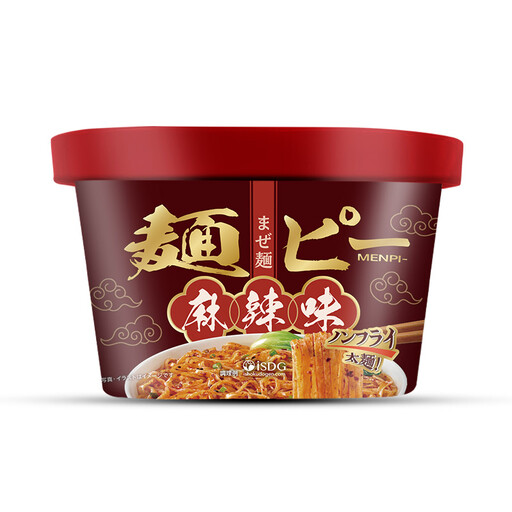
Why This Fits Their Persona: Suitable for shoppers seeking a more involved Sichuan-style dry noodle format with separate sauce, seasoning and vinegar sachets.
The instructions explain the draining process and allow sauce quantities to be adjusted, reducing the risk of an unexpectedly intense serving.
100g box format; contains chilli oil, Sichuan pepper, sesame oil and vinegar sachets.
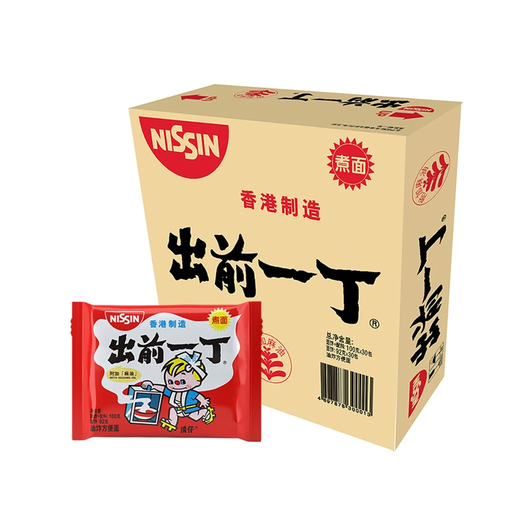
Why This Fits Their Persona: A 30-pack is suited to regular noodle eaters, shared homes, office kitchens and buyers who want a long-running pantry supply.
The total quantity is stated as 3,000g, making it easier to compare the case with smaller instant noodles multipacks.
Thirty 100g packs; sesame oil flavour and cooking instructions supplied.
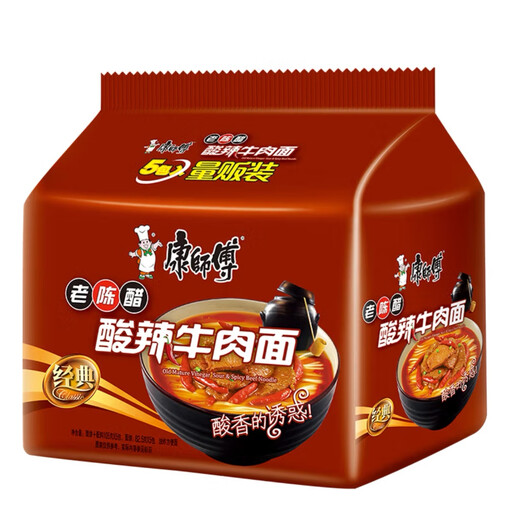
Why This Fits Their Persona: A practical choice for shoppers looking for Chinese instant noodles with chilli, vinegar and a soup-based preparation.
The five separate 110g servings include a vinegar packet, so the sour element is not dependent on vague flavour wording alone.
Five 110g packs; includes soup base, chilli, sesame oil and aged-vinegar sachets.
We have compiled a complete, real-time list of products that fully satisfy these strict selection criteria and UK safety regulations.
Unopened noodles can usually be stored until the best-before date shown on the packaging, provided they remain sealed and are kept somewhere cool and dry. Check the date before buying a large case, particularly if you eat noodles only occasionally.
Yes, but choose a product that matches your facilities. Bowl-style soup noodles may only require a kettle, while dry noodles often need draining and may be easier to prepare in a kitchen area. Check water volume, standing time and whether a heat-resistant container is supplied.
Choose a 5-pack when comparing flavours or buying for one person. Consider 12 to 20 packs for regular household use, and 30-pack cases for shared homes, offices or frequent consumers. Always compare portion weight, storage space, allergens and the nutrition panel before placing a bulk order.