
24/7 Customer Support

Free returns

Same-day & Next-day Delivery

Quality Guaranteed

Unlock Your Welcome Offers: FREE Delivery | Up to 80% OFF | Free 30-day JoyPlus trial
Download the APP
From a quick lunch for busy professionals to a comforting, affordable meal for university students, Asian instant noodles have become a staple in many UK cupboards. The appeal is clear: they promise a world of flavour in minutes. However, as the market expands, it's easy to fall into common purchasing traps, ending up with a meal that's more disappointing than delicious. As a Joybuy Product Recommendation Officer, my role is to help you navigate the options and find the authentic, satisfying flavours you're looking for.
Before you buy your next pack of quick noodles UK, let's look at the frequent pitfalls that can lead to a bland experience.
To avoid these traps and successfully buy instant noodles online, focus on a few core product characteristics. Understanding these will help you select a product that meets your expectations for flavour and quality.
The foundation of any instant noodle dish is the noodle itself. The two most common types offer very different eating experiences:
The flavour packets are where the magic happens. Look beyond the main flavour description and consider the components.
Your purchasing choice can also depend on your needs and budget.
Based on these criteria, here are a few recommendations from our catalogue, matched to different preferences and lifestyles.
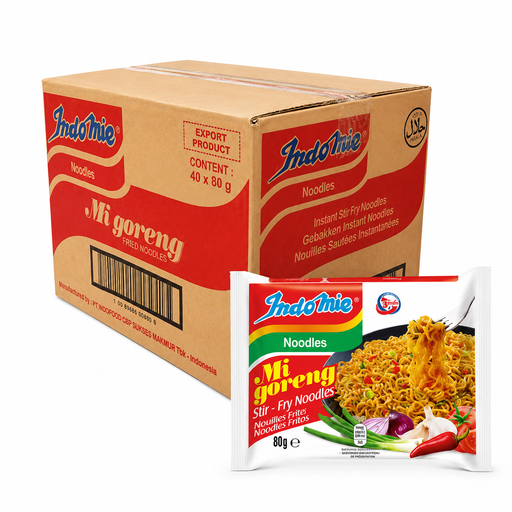
Why This Fits Their Persona: Perfect for students and busy households, this bulk pack offers exceptional value and ensures a quick, reliable meal is always on hand. The iconic Mi Goreng flavour is a consistent crowd-pleaser.
It sidesteps the 'single-sachet' pitfall with five separate seasonings: seasoning powder, seasoning oil, sweet soy sauce, chilli sauce and crispy fried shallots for texture and complexity.
The 40-pack format provides excellent cost-per-serving. The dry-noodle style is versatile and can be customised easily with fresh toppings.
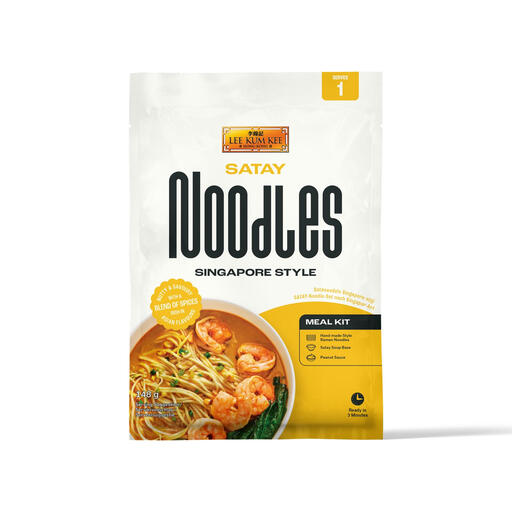
Why This Fits Their Persona: For those looking to move beyond standard chicken or curry flavours, this offers an authentic taste of Singaporean street food. The rich, nutty satay profile is a unique and satisfying departure from the norm.
This product avoids the 'flavour mirage' by using a complex satay soup base with peanut paste, soy sauce and dehydrated shrimps, plus a separate, concentrated peanut sauce for an intense finish.
Features two distinct sauce packets for a layered flavour. The springy ramen noodles provide a satisfyingly chewy texture that complements the rich sauce.

Why This Fits Their Persona: For those craving a light yet deeply savoury soup, this instant Vietnamese pho is an excellent choice. It delivers the aromatic and comforting experience of a classic pho broth without the long cooking time.
It avoids noodle texture disappointment by using authentic, delicate rice noodles that become soft and smooth, true to the traditional pho experience, rather than substituting with standard wheat noodles.
The broth is infused with authentic spices like star anise and cinnamon for a rich, aromatic flavour. Being rice-based, the noodles are a lighter, gluten-free alternative.
We have compiled a complete, real-time list of products that fully satisfy these strict selection criteria and UK safety regulations.
1. How can I make my instant noodles taste better? The easiest way to elevate any pack of instant noodles is by adding fresh ingredients. A soft-boiled or fried egg adds protein and richness. Finely chopped spring onions, a handful of spinach or pak choi or some sliced mushrooms can add freshness and texture. A dash of sesame oil or a squeeze of lime right before serving can also brighten the flavours.
2. Are multipacks of instant noodles cheaper in the long run? Yes, in almost all cases. Buying a case of 24 or 40 packs will bring the price per individual meal down considerably compared to buying single packets from a convenience store. If you have a favourite brand and the storage space, purchasing multipack noodles is the most economical way to stock your pantry.
3. What is the difference between 'dry' and 'soup' instant noodles? The difference lies in the preparation and final dish. For soup noodles, you cook the noodles in water and then add the seasoning to create a broth, serving everything together. For dry noodles, like the popular Indomie Mi Goreng, you cook the noodles, drain the water completely and then toss the drained noodles with the provided sauce and oil sachets to coat them. The result is a flavourful stir-fried style noodle dish rather than a soup.