
24/7 Customer Support

Free returns

Same-day & Next-day Delivery

Quality Guaranteed

Unlock Your Welcome Offers: FREE Delivery | Up to 80% OFF | Free 30-day JoyPlus trial
Download the APP
Navigating the world of authentic Asian instant noodles can feel overwhelming. The aisles, both physical and virtual, are packed with colourful packaging and unfamiliar names. For many in the UK—from students seeking a quick meal to food lovers chasing genuine regional flavours—the search often ends in disappointment. As a Joybuy Product Recommendation Officer, my role is to help you sidestep common purchasing mistakes and find the perfect bowl of noodles that meets your expectations.
Many shoppers find that what they buy from a standard supermarket shelf doesn't quite match the flavours they remember or hoped for. Let's look at a few common pitfalls to avoid when you buy instant noodles online.
To ensure you get a satisfying meal, focus on a few core product details. These specifications are far more important than flashy packaging.
The foundation of any great instant noodle dish is the noodle itself. The type determines the texture, cooking time and how well it pairs with the soup or sauce.
The seasoning sachet is where the magic happens. To find an authentic taste, look for specific regional call-outs.
Instead of a generic list, we've matched some popular options to different tastes and needs.
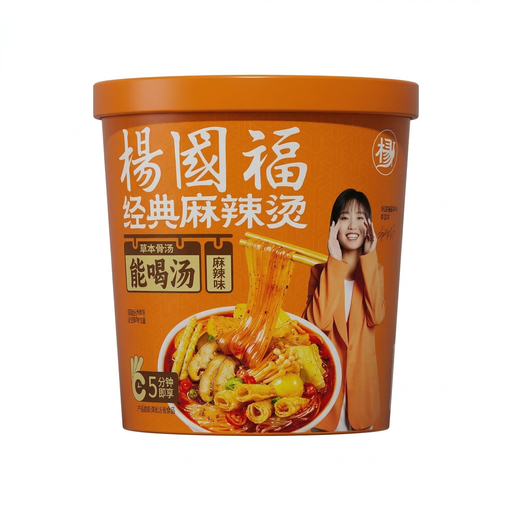
Why This Fits Their Persona: This is for the foodie who wants to experience the authentic, numbing-and-spicy (麻辣) sensation of Sichuan hot pot. It's a single-serving pack, making it ideal for trying a bold, regional Chinese flavour without committing to a large multipack.
It sidesteps the vague "spicy" label by delivering a specific Malatang flavour profile, known for its combination of chilli heat and numbing Sichuan peppercorns.
Features an authentic regional flavour profile and uses vermicelli noodles, which provide a distinct texture compared to wheat noodles.

Why This Fits Their Persona: Perfect for those who love the convenience of instant noodles but are mindful of their fat intake. The potato starch noodles offer a lighter, yet satisfyingly chewy, alternative to traditional fried wheat noodles.
It directly counters the noodle texture disappointment by providing a unique, smooth and chewy potato noodle. Its 0g fat content also avoids the high-fat pitfall of many fried noodle options.
The main draw is its 0g fat content and the unique texture of the potato starch noodles, paired with a fragrant sesame sauce.

Why This Fits Their Persona: Master Kong is an iconic brand, and its Braised Beef flavour is a staple in countless households. This multipack offers a reliable, satisfying and authentic taste of Chinese instant noodles that is perfect for family pantries or student meal planning.
This avoids the "authenticity trap" by being one of the most popular and recognised instant noodle products in China. The flavour is rich and consistent, not a muted version for Western markets.
A trusted, classic flavour from a leading brand. The multipack format offers good value, and the sachets include dehydrated vegetables and meat for a more complete meal.
We have compiled a complete, real-time list of products that fully satisfy these strict selection criteria and UK safety regulations.
Here are answers to a few common questions UK shoppers have about Asian instant noodles.
While there is huge variety within each country, there are some general tendencies. Chinese instant noodles often feature rich, complex and savoury broths, such as braised beef or hot and sour flavours. Japanese ramen frequently focuses on broths like tonkotsu (pork bone), miso (soybean paste), or shio (salt), often with a deeper umami profile. Korean instant noodles are well-known for their distinct spicy kick, often featuring a base of gochujang (chilli paste) which provides a balance of spicy, sweet and savoury notes.
The easiest way to elevate any instant noodle is with fresh toppings. Try adding a soft-boiled egg, some chopped spring onions, a handful of leafy greens like pak choi or some sliced mushrooms. A drizzle of sesame oil or chilli oil right before serving can also add a wonderful layer of aroma and flavour.
"Zero fat" or low-fat noodles, typically made from potato or sweet potato starch, can be a good option if you are looking to reduce your fat intake. They are not fried, which is how they achieve their low-fat status. However, it's important to also look at the sodium and sugar content in the accompanying seasoning packets to get a full picture of the nutritional profile. They offer a different, often lighter, meal experience.