
24/7 Customer Support

Free returns

Same-day & Next-day Delivery

Quality Guaranteed

Unlock Your Welcome Offers: FREE Delivery | Up to 80% OFF | Free 30-day JoyPlus trial
Download the APP
Asian instant noodles can be a convenient cupboard staple for students, busy professionals, families and anyone who enjoys quick Asian meals. However, the wide choice of fried noodles, spicy instant noodles, ramen snacks and rice noodles can make comparison difficult.
The packet image is not enough. Before buying, check the preparation method, serving size, allergen information and pack quantity. These details often determine whether a product works for a quick lunch, an office cupboard or regular family use.
Some Japanese ramen snacks are ready to eat and designed for crunch rather than hydration. Baby Star Crispy Ramen Snack Yakisoba, for example, is a seasoned, crispy wheat noodle snack. It does not require boiling water, but it is different from noodles intended to be cooked as a main meal.
If you need a filling lunch, check whether the pack requires cooking and whether it contains sauce, vegetables or other seasoning sachets. A ready-to-eat snack may be convenient, but it may not offer the portion or format you expect.
Mi Goreng noodles, stir-fried noodles and dry-style instant noodles are generally drained before the seasoning is added. Other products need to be soaked, boiled or prepared in a bowl. Following the wrong method can lead to a sticky texture or uneven seasoning.
Look for practical instructions such as cooking time, water volume and whether the noodles should be drained. For example, some products require around 400–500ml of boiling water and two to three minutes of cooking.
Asian instant noodles commonly contain wheat, soya, sesame, egg, fish, milk, celery or shellfish. Recipes and manufacturing details vary between products, even within the same flavour category.
Always read the current UK packaging before eating, particularly if buying Korean noodles, Thai noodles, Chinese rice noodles or imported multipacks. Nutrition panels can also differ considerably. Several products listed here provide around 440–460kcal per 100g, while salt, saturated fat and serving sizes vary.
Choose the format that matches your routine:
If you want a quick meal at work or in student accommodation, a bowl or single-serving pack may be easier. For cooking at home, plain Cantonese-style noodles can provide more flexibility.
Check the bold allergen wording on the product page and packaging. Wheat-based noodles are not suitable for people avoiding gluten, while seasoning sachets may contain soya, sesame, fish or shellfish. A product with a chicken-flavoured seasoning may still contain other allergens or flavour ingredients.
Products labelled halal should still be checked against the latest packaging and certification information if this is an important requirement for your household. Do not rely solely on flavour names or promotional imagery.
Single packs work well when trying a new flavour or rotating different varieties. Noodle multipacks are more practical for offices, shared houses, catering and regular cupboard stocking, but compare the number of servings, not just the outer carton size.
Keep unopened noodles in a cool, dry place away from moisture and direct sunlight. Once prepared, consume promptly. Reseal crispy snacks tightly after opening to help maintain their texture.
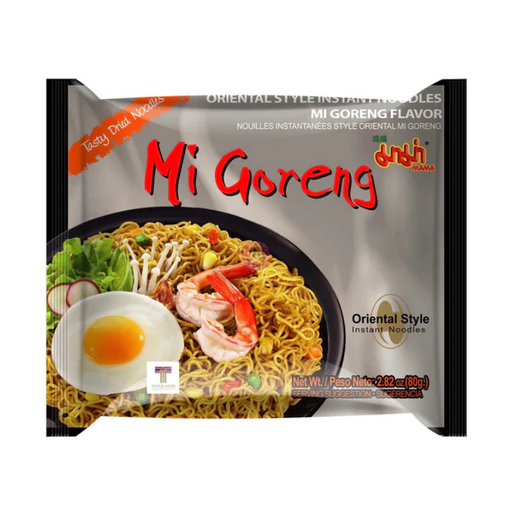
Why This Fits Their Persona: A single 80g pack lets new shoppers try Indonesian-style fried noodles without committing to a large multipack. It cooks in around three minutes and includes seasoning components for a dry noodle dish.
The instructions clearly state that the noodles should be boiled, drained and mixed with the sachets, avoiding confusion with soup-style noodles.
Single-serve format; includes sweet soya sauce, seasoning oil and fried onion flakes.
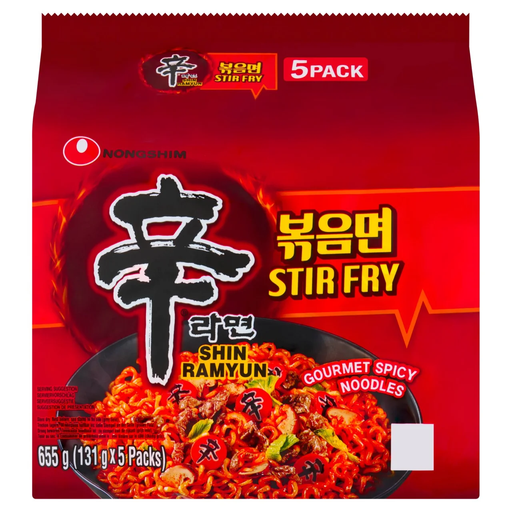
Why This Fits Their Persona: This five-pack suits shoppers looking for Korean noodles with a larger 130g serving and a dry stir-fry preparation. The product listing identifies it as halal.
The cooking method specifies boiling, draining and retaining a small amount of water before adding the seasoning.
Five 130g packs; includes vegetable and fish cake pieces alongside seasoning and oil.
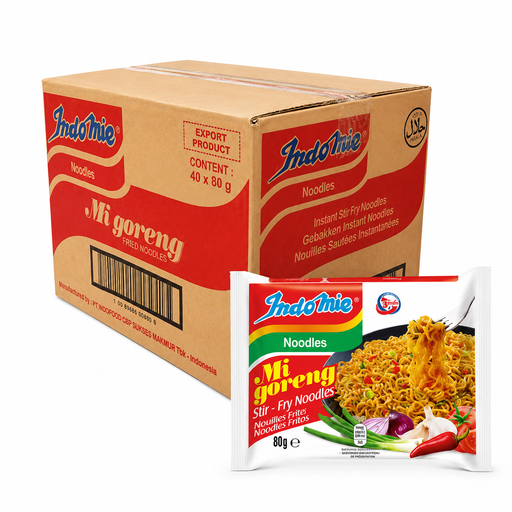
Why This Fits Their Persona: A 40-pack is designed for shared houses, office kitchens, catering cupboards or households that regularly eat dry fried noodles.
The listing states the carton contains 40 individual packs, making the quantity clear for bulk purchasing.
Individual 80g servings; includes seasoning, oil, sweet soya sauce and fried shallots.
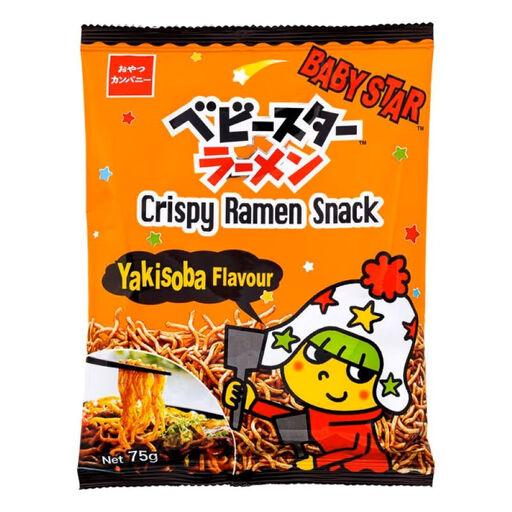
Why This Fits Their Persona: This ready-to-eat Japanese ramen snack suits lunchboxes, desk drawers and casual sharing when boiling water is unavailable.
The listing states that it is ready to eat, so it is not mistaken for a noodle pack requiring cooking.
Ready-to-eat format; thin crispy noodles with yakisoba-style seasoning.
We have compiled a complete, real-time list of products that fully satisfy these strict selection criteria and UK safety regulations.
They can be convenient, but many are high in salt and saturated fat. Check the nutrition panel and consider adding vegetables, egg or cooked protein. Follow the preparation instructions carefully and treat them as part of a varied diet.
The best-before date is printed on the packaging. Store unopened packs in a cool, dry cupboard away from moisture and direct sunlight. Do not use damaged or damp packaging, and consume prepared noodles promptly.
Mi Goreng means fried noodles and usually refers to a dry-style preparation. The noodles are cooked, drained and mixed with seasoning. Plain stir-fried noodles, such as Cantonese-style noodles, are generally intended to be cooked with your own vegetables, sauce or protein.