
24/7 Customer Support

Free returns

Same-day & Next-day Delivery

Quality Guaranteed

Unlock Your Welcome Offers: FREE Delivery | Up to 80% OFF | Free 30-day JoyPlus trial
Download the APP
Asian instant noodles are convenient, affordable and easy to store, but choosing a suitable pack is not simply a matter of picking the most colourful packaging. A soup noodle can be unsuitable for someone expecting a dry stir-fry, while a large multipack may offer poor value if the flavour is too intense for regular eating.
This guide explains the practical details to check before buying Asian instant noodles online in the UK, from cooking format and spice level to allergens, serving size and storage.
Product names can make similar-looking noodles seem interchangeable. Japanese instant ramen, Korean noodles and Vietnamese pho may all come in packets, bowls or cups, yet their preparation can differ significantly.
Always check the preparation instructions before ordering several packs.
Spice descriptions are not standardised across all brands. A Korean product labelled spicy may have a very different heat profile from Chinese instant noodles or Indonesian Mi Goreng. Creamy sauces can also soften the initial chilli sensation without removing the overall intensity.
For households with mixed preferences, a mild multipack such as Ottogi Jin Ramen Mild may be more practical than buying a large box of hot noodles. Chilli sauces and seasoning powders can sometimes be adjusted, but this depends on the product format.
Many Asian instant noodles contain wheat, soybeans, sesame, fish, shellfish, egg, milk or peanuts. Some seasoning sachets also contain fish sauce or shrimp ingredients even when the product name does not make this obvious.
Read the current packaging and ingredient list carefully, particularly when buying for children, shared accommodation or anyone with an allergy. Salt, fat and energy values can vary considerably between soup, stir-fry and sauce-heavy formats. Product descriptions should support your decision, but the packaging remains the relevant source of information at the point of use.
Choose the noodle type according to the eating experience you want:
The noodle base also matters for dietary requirements. Wheat-based noodles are not suitable for people avoiding gluten, and “rice noodle” does not automatically mean the entire product is free from other allergens.
Check whether the product requires:
For example, a cup format may suit an office desk or student kitchen, while packet noodles are often more flexible for adding vegetables, cooked meat or an egg. Some products take three minutes, while broader or more heavily topped formats may require five to six minutes.
A single 70g or 80g serving can work well for a light lunch or pantry top-up. Five-packs are useful for regular use without committing to a large case. Heavy users, families and shared households may prefer instant noodle multipacks containing 20 or 40 individual portions.
Compare the total weight and number of servings rather than judging value from the outer pack alone. Store unopened noodles in a cool, dry place away from direct sunlight, and check the best-before information before purchasing large quantities.

Why This Fits Their Persona: A five-pack gives students, first-time buyers and shared households several individual servings without committing to a large case. Its mild flavour profile is suitable for shoppers who prefer a less intense Korean noodle experience.
The product is clearly identified as mild and includes noodles, soup powder and dehydrated vegetables, reducing the risk of buying a dry stir-fry when a broth-style meal is wanted.
Five 120g portions; includes a soup base and vegetable mix; prepared in a few minutes.
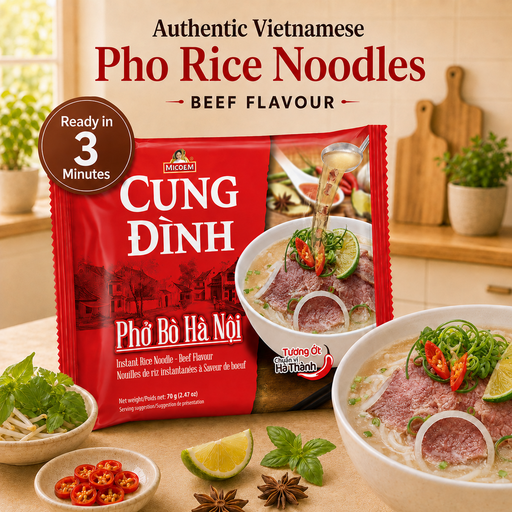
Why This Fits Their Persona: This Vietnamese-style rice noodle soup suits shoppers looking for a broth-led meal with Hanoi-style beef flavour rather than a conventional wheat ramen.
The 70g packet is a clearly defined soup format, so it avoids the common mistake of expecting a dry, sauce-coated noodle dish.
Rice noodles; broth-style beef pho flavour; ready in approximately three to five minutes; can be customised with herbs, lime or cooked beef.
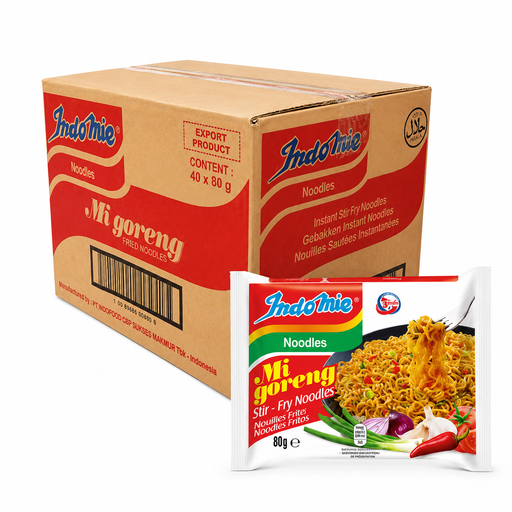
Why This Fits Their Persona: The 40-serving format is designed for frequent noodle eaters, families, office kitchens and customers who want a substantial pantry reserve.
The listing specifies 40 individual portions and a dry stir-fry format, helping heavy users compare quantity and preparation method accurately.
40 x 80g packs; Indonesian Mi Goreng seasoning; sweet soy sauce, aromatic seasoning and fried shallot components.
We have compiled a complete, real-time list of products that fully satisfy these strict selection criteria and UK safety regulations.
Yes, provided your workplace has access to boiling water or a microwave and the packaging permits that preparation method. Cup noodles and bowl formats are convenient for desks, while packet noodles may require a saucepan. Check whether the product is soup-based or needs draining before preparation.
Shelf life varies by product and batch. Keep unopened packs in a cool, dry place away from direct sunlight and check the best-before date on the packaging. Large multipacks should only be purchased when you expect to use them within the stated storage period.
Look for clearly labelled spicy instant noodles, including Korean stir-fry formats and chilli-based Chinese or Indonesian products. Heat levels vary, so review the seasoning ingredients and consider starting with a five-pack before buying a larger case. For a milder alternative, choose a product specifically labelled mild rather than relying on a general cuisine description.