
24/7 Customer Support

Free returns

Same-day & Next-day Delivery

Quality Guaranteed

Unlock Your Welcome Offers: FREE Delivery | Up to 80% OFF | Free 30-day JoyPlus trial
Download the APP
Navigating the world of Asian instant noodles can feel overwhelming. The shelves, both physical and virtual, are packed with a dizzying array of colourful packets promising authentic, delicious meals in minutes. Yet, too often, the experience falls flat. A broth that tastes of little more than salt, noodles that turn to mush, or a "spicy" label that delivers no heat at all are common disappointments. As the Joybuy Product Recommendation Officer, my role is to help you see past the clever marketing and find the options that truly deliver on flavour and quality.
Before you add another pack to your basket, let's look at the common pitfalls that can lead to a disappointing purchase.
To make a smarter choice, it helps to understand a few key details that determine the final quality of your meal. Focusing on these parameters will help you find the perfect noodles for your pantry.
The preparation method of the noodle block itself has a significant impact on taste, texture and even the cooking process.
The seasoning is what gives each product its unique character. Look at the contents of the sachets to understand what you're getting.
Finally, consider how you plan to use the noodles.
Based on these practical considerations, here are a few recommendations matched to different needs and preferences.
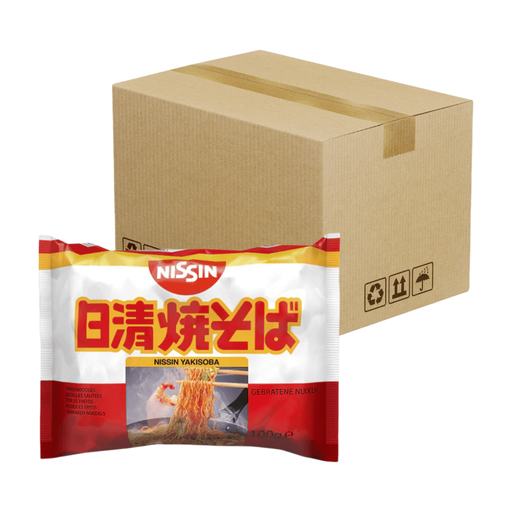
Why This Fits Their Persona: For families, students, or anyone who relies on instant noodles for quick meals, this 30-pack case offers excellent value. It's a stir-fry noodle, not a soup, providing a welcome variety for the pantry.
It avoids the "authentic flavour" mirage by delivering a specific Japanese yakisoba taste with a distinct Worcestershire-style sauce packet, rather than a generic "fried noodle" flavour.
The non-fried noodles offer a chewier, more substantial texture that holds up well to stir-frying. The bulk format provides significant cost savings per meal.
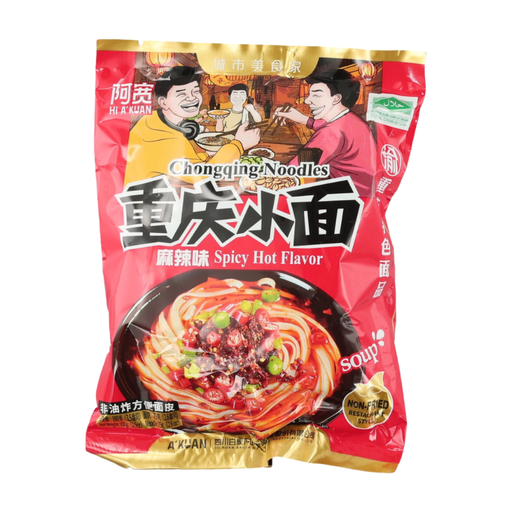
Why This Fits Their Persona: This is for the diner who is actively seeking a genuine, fiery experience. It's not just "spicy"; it's designed to replicate the famous "málà" (numbing and spicy) flavour of Chongqing street food.
It sidesteps the vague spice scale by using Sichuan pepper and chilli oil to deliver a specific, complex and layered heat that is both spicy and numbing, a hallmark of authentic Sichuan cuisine.
The wide, non-fried noodles have a substantial, chewy bite that pairs perfectly with the rich sauce. The inclusion of a separate peanut and vegetable packet adds texture and crunch.
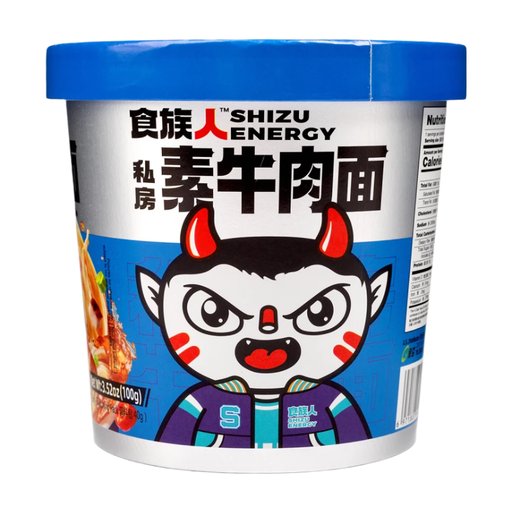
Why This Fits Their Persona: Finding a **vegan noodle** option with a deep, savoury flavour can be a challenge. This product is specifically designed to deliver a rich, beef-style broth using only plant-based ingredients, making it a perfect quick meal for vegans and vegetarians.
It avoids the pitfall of bland, one-note vegan options by using hydrolysed soy protein, yeast extract, and a blend of spices to create a surprisingly rich and complex umami flavour that satisfies cravings for a hearty broth.
It includes a separate vegetable pack with textured soy protein, carrot and cabbage, adding much-needed texture and substance. It also provides a good source of plant-based protein and fibre.
We have compiled a complete, real-time list of products that fully satisfy these strict selection criteria and UK safety regulations.
The easiest way to elevate any instant noodle is with simple additions. Try adding a soft-boiled egg, some chopped spring onions, a slice of processed cheese for creaminess or some leftover roasted vegetables. A drizzle of sesame oil or chilli crisp just before serving can also add a huge boost of flavour.
Not at all. While many popular Korean Samyang noodles are famous for their heat, there is a vast range of mild and savoury flavours. Japanese broths like tonkotsu (pork bone), miso and shoyu (soy sauce) are rich and savoury rather than spicy. Likewise, many Chinese and Korean noodles come in mild chicken, beef or seafood flavours. Always check the packaging for a chilli rating or descriptions like "spicy" or "hot".
While both are types of instant noodles, there are some general differences. Japanese ramen often focuses on the quality and specific flavour of the broth, with classic profiles like miso, shoyu and tonkotsu. The noodles can be thinner and straighter. Korean ramyun noodles are often slightly thicker and curlier, and the flavour profiles tend to be bolder and spicier, with kimchi and spicy beef being very popular. However, there is a huge variety within both categories.