
24/7 Customer Support

Free returns

Same-day & Next-day Delivery

Quality Guaranteed

Unlock Your Welcome Offers: FREE Delivery | Up to 80% OFF | Free 30-day JoyPlus trial
Download the APP
Asian instant noodles can be a convenient cupboard staple, whether you need a quick lunch between meetings, a late-night student meal or ingredients for a more complete family dinner. However, product descriptions can make very different foods sound similar. A spicy Korean ramen, a dry Indonesian noodle and a packet of Vietnamese pho each require a different buying decision.
Before choosing Asian instant noodles, check the preparation style, serving size, ingredients and storage information rather than relying on flavour names alone.
“Ramen” and “instant noodles” do not always mean a bowl of soup. Products such as Korean Buldak, Toomba and Indonesian Mi Goreng are generally prepared by boiling, draining and mixing the seasoning into the noodles. Adding too much water can dilute the sauce and produce a texture the recipe does not intend.
By contrast, Vietnamese pho noodles, Japanese ramen with soup powder and conventional broth-style noodles are designed to retain cooking water or be served with a separate stock.
A 70g or 80g serving may suit a light lunch or snack, while a 120g–140g serving is more substantial but can also contain more seasoning, salt and calories. A five-pack may be practical for occasional use, whereas a 40-pack requires enough cupboard space and regular consumption before the best-before date.
Cups are convenient for offices and travel, but larger multipacks usually offer more servings without the individual cup packaging.
A creamy flavour may contain milk, and chilli products can include several seasoning sachets with different allergens. “Rice noodles” do not automatically mean every ingredient is gluten-free: sauces, flavour powders or wheat starch may still be present.
Always read the UK allergen declaration, ingredient list and dietary information on the product page and packaging. Common allergens across this category include wheat, gluten, soya, sesame, milk, peanuts, fish, shellfish and molluscs.
Choose according to how you plan to eat the noodles:
The preparation instructions are important. For example, J-BASKET udon requires approximately one minute of boiling, while Sukina thin noodles require around three to four minutes followed by rinsing under cold water.
Wheat noodles provide a springy, chewy texture but are unsuitable for people avoiding gluten. Rice-based products may be useful for a different texture, but the final dish still depends on the seasoning and sauce ingredients.
For example, the Rice & U Jiang Xi Rice Vermicelli contains rice, water and tapioca starch according to its listing, while Bai Xiang Corn Noodles contain both corn flour and wheat flour. The ingredient list should therefore take priority over the product title.
If you specifically need halal instant noodles, verify the halal status on the individual listing. The 20-pack Nongshim Korean Shin Ramen listing identifies the product as halal certified; dietary requirements should still be checked against the current packaging.
Compare products on a per 100g basis as well as by pack price. This helps when one item is sold as a 70g packet and another as a 140g bowl.
Some listed examples contain approximately 2.5g to 4g of salt per 100g, depending on the recipe. Mi Goreng and several spicy instant ramen products also contain relatively high levels of fat and saturated fat per 100g. This does not make them unsuitable for occasional meals, but it is sensible to consider the rest of the meal and your usual diet.
Plain noodles can offer more control. Add fresh vegetables, lean protein, herbs or a homemade sauce instead of using every seasoning sachet.

Why This Fits Their Persona: A five-pack gives students, first-time buyers and occasional noodle shoppers several servings without committing to a large case.
The listing clearly identifies it as a soup-style sesame ramen and gives a three-minute cooking method, reducing preparation guesswork.
Five 100g packs; sesame seasoning oil; three-minute preparation; suitable for customising with vegetables or egg.
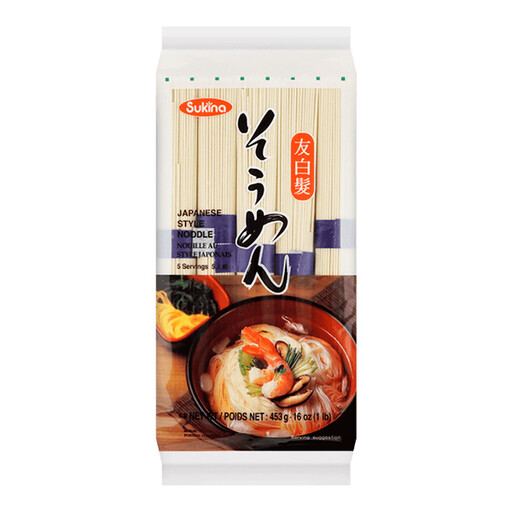
Why This Fits Their Persona: Suitable for shoppers who want a flexible noodle base for Korean cold dishes, soups, salads and stir-fries rather than a fixed flavour sachet.
The ingredient list contains wheat flour, salt and water, making the product format clear. It is not presented as a ready-seasoned meal.
453g pack; three- to four-minute cooking time; can be served hot or cold; smooth, thin wheat noodles.
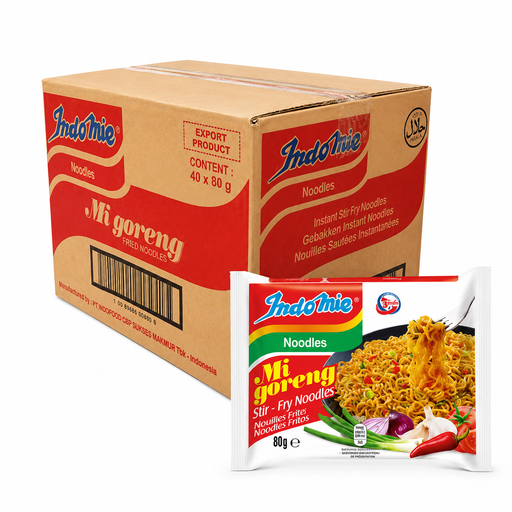
Why This Fits Their Persona: A 40-serving case suits shared houses, offices, families and regular shoppers who already know they enjoy dry stir-fry noodles.
The case specifies 40 individual 80g servings and identifies the dry Mi Goreng method, so buyers can assess storage and usage before ordering.
Individual sachets; three-minute cooking; sweet soy sauce, seasoning and fried shallot components; suitable for bulk pantry storage.
We have compiled a complete, real-time list of products that fully satisfy these strict selection criteria and UK safety regulations.
Cup formats such as the Samyang Buldak Hot Chicken Ramen Carbonara Small Bowl 80g x 6 can be convenient where access to a kettle is easier than access to a hob. For soup, choose a broth-style product; for a drier meal, select Mi Goreng or stir-fry ramen and follow the draining instructions.
Shelf life varies by product and batch. Keep unopened noodles in a cool, dry place away from direct sunlight and check the best-before date printed on the packaging. After opening an individual packet or cup, prepare and consume it promptly rather than storing opened seasoning sachets.
Some products are listed as halal, while others may contain chicken flavouring, fish sauce, shellfish, alcohol-derived ingredients or uncertain processing information. Check the current product listing and packaging for halal certification, and review the allergen statement before purchasing.