
24/7 Customer Support

Free returns

Same-day & Next-day Delivery

Quality Guaranteed

Unlock Your Welcome Offers: FREE Delivery | Up to 80% OFF | Free 30-day JoyPlus trial
Download the APP
Asian marinades and seasonings can make a quick weekday meal taste distinctive, but the wrong product may leave you with an overly salty dish, unsuitable allergens or a seasoning that only works for one recipe. This guide explains what to check before buying, then matches several options to different cooking habits.
Whether you need a Korean BBQ marinade, a ready-to-use seasoning for wings or a versatile blend for vegetables, the label matters more than the front-of-pack flavour description.
A liquid teriyaki marinade, dry BBQ seasoning and barbecue sauce are not interchangeable in every recipe. Marinades are designed to coat or soak ingredients before cooking, while sauces may be intended for dipping or glazing after cooking. A thick sauce can burn if applied too early over high heat, particularly when it contains sugar or honey.
Many cooking sauces and spice mixes use salt, sugar or both to create a strong flavour with a small amount. For example, the listed nutrition information for Bear Coming New Orleans Style Wings Marinade shows 16,800mg sodium per 100g, while Dunns River Peri Peri Seasoning lists 30g salt per 100g. These products should be used sparingly, with additional salt reduced elsewhere in the recipe.
A sweet barbecue sauce may also contain considerable sugar. Stokes Original BBQ Sauce lists 26g sugars per 100g, while Heinz Sticky Barbecue Sauce lists 39g. Check the nutrition panel rather than assuming that a sauce is suitable for unrestricted use.
Soy sauce commonly contains soya and wheat, while sesame oil and sesame seeds may appear in Korean BBQ products. Some spice blends also contain celery, mustard or gluten-containing ingredients. Always read the current packaging, especially if cooking for someone with an allergy.
Raw marinated meat requires careful handling. Keep it refrigerated as directed, avoid cross-contamination and cook thoroughly. Ready-to-eat products, such as marinated quail eggs, have different storage instructions from raw meat or unopened dry seasoning.
A Korean BBQ marinade may be sweet and savoury, while a Cajun seasoning or peri peri seasoning may focus on paprika, herbs and chilli. Look for the position of salt, sugar and flavour enhancers in the ingredients list. Ingredients are generally listed by weight, so those appearing early make up a larger proportion of the recipe.
For specialist diets, verify terms such as vegan, vegetarian or gluten-free on the product listing and packaging. Do not assume a product is suitable simply because it contains vegetables or spices.
A large bag such as the 880g YUNSHANBAN Salt Baked Seasoning may suit households cooking frequently, while a 25g taco seasoning mix or 48g Cajun seasoning may be more practical for occasional use. Dry products should be sealed and kept in a cool, dry place. Liquid sauces commonly require refrigeration after opening, and chilled marinated meat may need to be cooked soon after opening.
The following options are grouped by cooking profile rather than presented as a universal ranking.
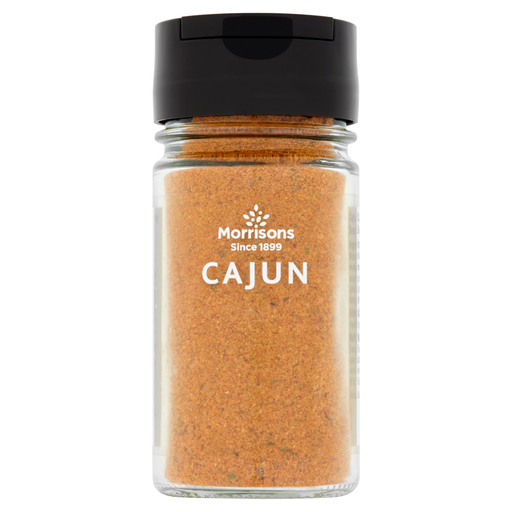
Why This Fits Their Persona: A compact dry blend is practical for first-time buyers who want to try Cajun-style cooking without committing to a large pack.
The 48g format limits waste compared with bulk seasoning. Its label also identifies celery and mustard allergens, helping shoppers check suitability before use.
Vegetarian blend; suitable for meat, vegetables and quick dry rubs. Store in a cool, dry place.
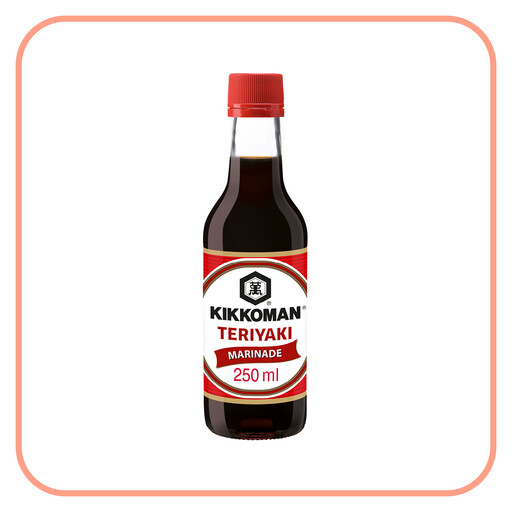
Why This Fits Their Persona: Suitable for cooks seeking a ready-made liquid marinade for grilled meat, seafood, vegetables and stir-fries.
It is clearly positioned as a marinade rather than only a finishing sauce. The ingredient list identifies soy sauce, wheat and wine containing sulphur dioxide.
250ml bottle; usable for marinating, braising, grilling or dipping. Refrigerate after opening.
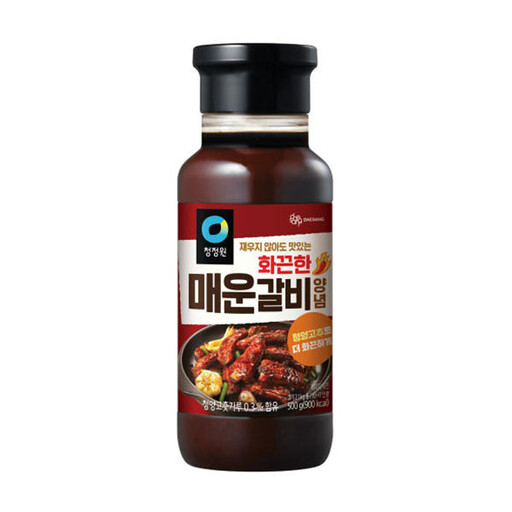
Why This Fits Their Persona: A suitable choice for Korean BBQ enthusiasts preparing ribs, spicy pork stir-fries or grilled meat for several people.
The product gives a stated marinating guideline of at least 30 minutes and specifies cooking is required, reducing confusion over raw use.
500g format; suitable for baking, grilling and stir-frying. Contains wheat and soya and should be refrigerated after opening.
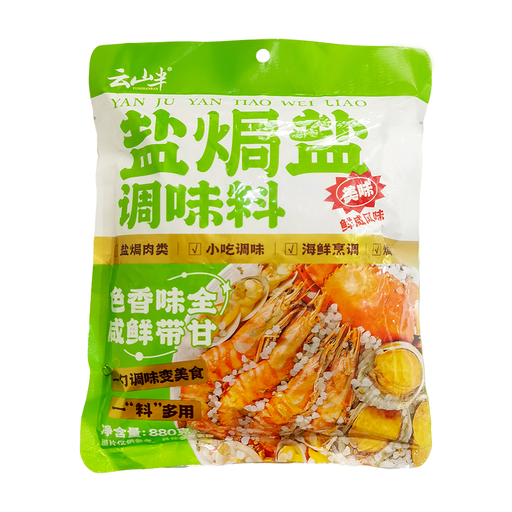
Why This Fits Their Persona: The larger pack suits households regularly preparing salt-baked chicken, seafood, eggs, grilled food or stir-fries.
The packaging clearly states the 880g quantity and includes a broad use description, making it easier to assess value before purchase. Portion carefully because it is a salt-based blend.
Includes sea salt, cinnamon, star anise, Sichuan peppercorns, tangerine peel, bay leaves and dried chilli. Squeezable bag for dispensing.
For wing nights, Bear Coming New Orleans Style Wings Marinade and Xiaoxiongjiadao New Orleans Grilled Wing Marinade offer pre-mixed dry seasoning formats. Check their high sodium figures and wheat or soya allergens before use.
For a classic BBQ seasoning, RAJAH Spices Barbeque Seasoning is listed for chicken, beef, lamb, seafood and vegetables. Dunns River Peri Peri Seasoning is suited to spicy rubs and marinades, but the label describes it as hot and high in salt.
For a sweet glaze, Stokes Original BBQ Sauce and Heinz Sticky Barbecue Sauce can be used with grilled dishes, dipping or glazing. For a more specific Chinese preparation, Yunshanban Tea Egg Marinade Spice Pack provides individual spice packs for boiling eggs. Ready-to-eat alternatives include Shen Dan Marinated Quail Eggs, which should be refrigerated after opening.
We have compiled a complete, real-time list of products that fully satisfy these strict selection criteria and UK safety regulations.
A Korean BBQ marinade often combines savoury soy-based ingredients with garlic, chilli, sesame or fruit-derived sweetness. Teriyaki marinade is typically a sweet and savoury sauce used for coating meat, vegetables or seafood before grilling, frying or braising. Always compare the ingredients and salt content because recipes vary.
Follow the instructions on the product. CJO Korean Marinade recommends at least 30 minutes, with longer marinating suggested on its listing. Keep meat refrigerated while marinating and never reuse marinade that has touched raw meat unless it is thoroughly cooked.
Not necessarily. Compare the price per 100g or 100ml and consider how much is needed per serving. Dry blends can store conveniently and may be suitable for several cooking methods, while bottled sauces can provide both marinade and finishing uses. The most economical choice depends on pack size, frequency of cooking and portion size.