
24/7 Customer Support

Free returns

Same-day & Next-day Delivery

Quality Guaranteed

Unlock Your Welcome Offers: FREE Delivery | Up to 80% OFF | Free 30-day JoyPlus trial
Download the APP
Asian marinades can turn ordinary chicken, beef, pork, vegetables or tofu into a flavourful meal with little preparation. However, the label “authentic” does not always tell you how a product will perform in a UK kitchen. Some options are concentrated seasoning mixes, others are ready-to-use sauces, while pre-marinated meat needs careful chilled or frozen storage.
The main buying pitfalls are easy to overlook:
Ready-to-use sauces are practical for stir-fries, roasting, grilling and dipping. Teriyaki marinade is generally suited to meat, fish, vegetables and tofu, while a spicy marinade can be brushed on during cooking or used before grilling.
Marinade seasoning mixes are lighter to store and allow you to control the amount of liquid. For example, a Filipino tocino marinating mix can be combined with pork, chicken or tofu, although its ingredient list is predominantly cane sugar and salt. This makes portion control important.
Ready-to-cook marinated meat is convenient for busy weeknight meals, but it must remain refrigerated or frozen as stated on the label. Keep raw meat separate from other food, wash utensils and cook it thoroughly.
Look beyond broad descriptions such as “Asian-style”. Check the ingredients for the flavour direction you want:
Always read the current packaging because recipes and instructions can change. Kikkoman Teriyaki Marinade, for example, should be refrigerated after opening, while some dry mixes can be stored in a cool, dry cupboard.
Pay particular attention to bold allergen declarations. Several products in this category contain soya and wheat, and some also contain sesame. Patak’s Tandoori Spice Marinade lists possible traces of mustard, peanuts, tree nuts and coconut. Obento Teriyaki Marinade contains soya and wheat and includes alcohol that reduces during cooking.
For raw marinated meat, follow the use-by date and cooking directions. Blue Ville Korean marinated pork specifically states that the meat should reach a minimum core temperature of 75°C. A food thermometer can help confirm that thick pieces are cooked safely without relying only on surface colour.
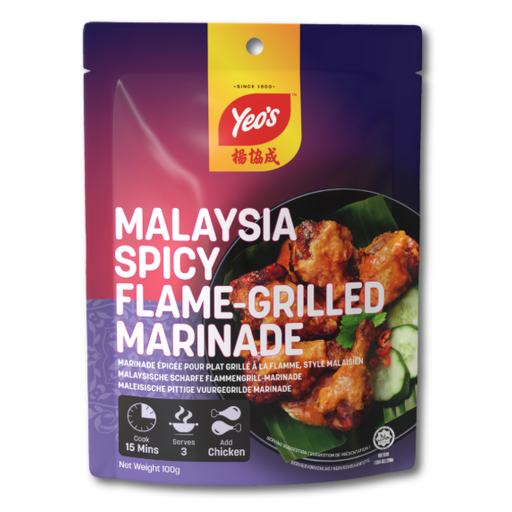
Why This Fits Their Persona: A compact 100g pouch is useful for trying Malaysian-inspired flavours without committing to a large bottle. It includes lemongrass, tamarind, galangal, ginger and chilli for grilled meat or vegetables.
The 100g format makes the serving commitment clear, and the ingredient list identifies wheat as an allergen rather than leaving the sauce profile vague.
Contains coconut extract, lemongrass and tamarind; suitable for flame-grilling or adding Southeast Asian flavour to everyday meals.

Why This Fits Their Persona: Thin flanken-cut beef short ribs are pre-marinated with soya sauce, apple, pineapple, garlic, sesame oil and black pepper, giving food-focused shoppers a prepared Korean- or Chinese-style grilling option.
The stated 250g weight, frozen storage guidance and allergen information make it easier to plan portions and handle the product correctly.
Flanken-cut slices expose more surface area for browning; the product is made in the UK and supplied frozen.
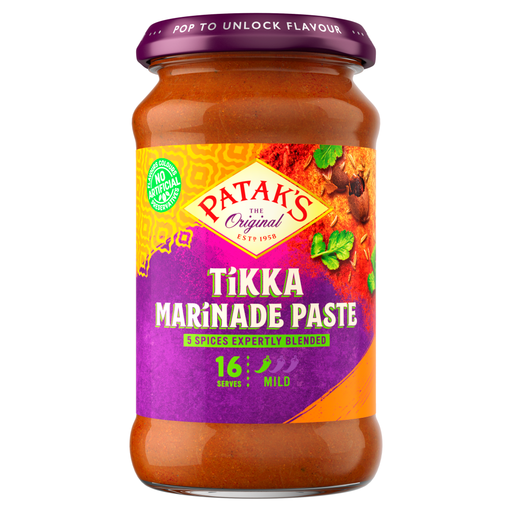
Why This Fits Their Persona: The 312g jar suits repeated cooking, family meals and batch preparation with chicken, lamb, vegetables or tofu. It can be mixed with yoghurt before grilling or baking.
The usage instructions specify mixing, marinating and cooking, so it is not mistaken for an eat-from-the-jar product. The label also identifies possible traces of several allergens.
Contains ginger purée, coriander, cumin, paprika and tamarind; suitable for several proteins and plant-based ingredients.
We have compiled a complete, real-time list of products that fully satisfy these strict selection criteria and UK safety regulations.
For a grilled chicken marinade, coat the chicken evenly and keep it covered in the fridge. Avoid reusing marinade that has touched raw meat unless it is boiled thoroughly as a cooking sauce. For beef bulgogi marinade, thin slices cook quickly in a hot pan or on a barbecue; avoid overcrowding, which can cause steaming rather than browning.
A teriyaki marinade can be used on salmon, tofu or vegetables, but sugary sauces may darken quickly over high heat. Pat excess sauce from the surface before grilling, then brush on a fresh layer near the end of cooking. For pork marinade products, follow the packaging time and temperature instructions carefully.
It depends on the product and ingredient. Some sauces recommend at least 30 minutes, while thicker Korean marinades may suggest overnight refrigeration for a stronger flavour. Follow the label and do not leave raw meat at room temperature.
Yes. Teriyaki, tandoori and many spicy marinade sauces work with tofu, mushrooms, aubergine, peppers and cauliflower. Tofu benefits from being pressed first so it can absorb more sauce.
The cost depends on concentration, pack size and whether the product includes meat. A seasoning mix may cover several meals, whereas ready-to-cook marinated meat costs more because preparation and the protein are included. Compare the number of portions and required additional ingredients before buying.