
24/7 Customer Support

Free returns

Same-day & Next-day Delivery

Quality Guaranteed

Unlock Your Welcome Offers: FREE Delivery | Up to 80% OFF | Free 30-day JoyPlus trial
Download the APP
Asian mochi snacks are popular with UK shoppers looking for chewy rice cakes, Japanese-inspired sweets and convenient desserts. However, attractive packaging does not always tell you whether a product suits your storage space, dietary needs or preferred texture.
Before buying Japanese mochi, Taiwanese mochi or daifuku online, watch for three common pitfalls:
Storage is one of the most important differences between ready-to-eat Asian desserts. Ambient products such as some red bean mochi and taro mochi can be stored in a cool, dry place away from sunlight and humidity. Once opened, they should generally be sealed and consumed promptly.
Frozen options require more planning. For example, Foodworth Frozen Durian Mochi Matcha Skin is listed with -18°C storage. Royal Family Fruity Mochi Peach should also be kept frozen until needed, then thawed for 10–15 minutes at room temperature and consumed immediately. Do not refreeze products after defrosting unless the packaging specifically permits it.
If you have limited freezer space, an ambient pack may be more convenient. If you want a colder, softer dessert texture, frozen mochi may be worth considering.
Mochi commonly contains glutinous rice flour, maltose, sugar, starches and flavourings. Fillings can introduce additional allergens. Royal Family Milk Mochi contains milk and beef gelatin, while peanut-flavoured products contain peanuts. Some durian varieties contain soya beans and may also contain traces of peanuts, milk, nuts or sesame.
Always read the latest packaging before eating, particularly if buying for children, guests or someone with a food allergy. “No allergens” descriptions should not replace checking the full label, as formulations and packaging information can change.
Also note that a sweetener warning may apply. Royal Family Fruity Mochi Peach states that it contains sweeteners and that excessive consumption may produce laxative effects. Products with a chewy, sticky texture should be eaten carefully, with children supervised as appropriate.
The appeal of mochi comes from its springy, chewy texture, but not every product offers the same experience. Japanese-style daifuku often combines a soft outer layer with bean paste, while Taiwanese mochi may use fruit, milk, taro, peanut or caramel fillings.
For a first purchase, mixed selections can reduce the risk of choosing a flavour you dislike. A mochi gift box containing matcha, sesame and mango provides three distinct options. For dedicated fans, a 180g or 210g single-flavour pack may offer better continuity, while a 360g pack is more suitable for sharing.

Why This Fits Their Persona: A mixed box lets first-time buyers sample matcha, sesame and mango without committing to one large single-flavour pack.
The three-flavour format reduces the risk of buying a full pack of an unfamiliar taste.
360g total quantity; includes 4 matcha, 4 sesame and 4 mango pieces.

Why This Fits Their Persona: Matcha fans wanting a defined green-tea flavour may prefer a product with green tea paste and green tea powder listed in the ingredients.
The listed ingredient quantities make it easier to distinguish a green-tea-focused product from one with only a light flavouring.
210g pack; ready to eat; contains 20% green tea paste and 5% green tea powder according to the product listing.
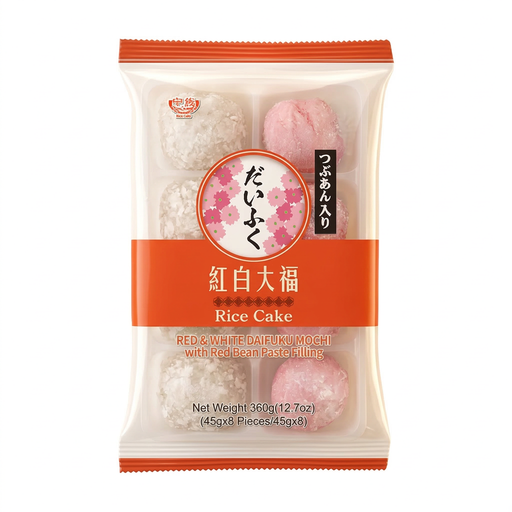
Why This Fits Their Persona: A larger pack suits families, office sharing or regular snack buyers who already enjoy red bean mochi.
The 360g net quantity gives a clearer indication of value than packaging size alone, while the soya allergen is stated.
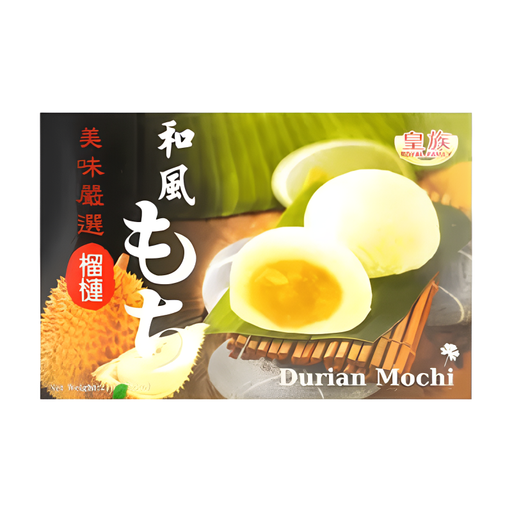
Why This Fits Their Persona: Durian lovers looking for an intense, creamy filling can choose a dedicated flavour rather than a mixed fruit pack.
The ingredient list identifies durian paste as 25.75% and clearly states soya, plus possible peanut, milk, nuts and sesame.
210g ready-to-eat pack; soft glutinous rice skin; durian paste filling; suitable for shoppers seeking a pronounced durian profile.
We have compiled a complete, real-time list of products that fully satisfy these strict selection criteria and UK safety regulations.
If red bean filling is too traditional, consider fruit-flavoured mochi such as peach, blueberry or mango. Mango mochi includes 9.63% mango juice in the listed ingredients, while the peach variety is sold as a frozen dessert and contains sweeteners.
For a more classic Japanese profile, Yamamotoya Mugwort Kusa Daifuku combines mugwort with azuki bean paste and contains soya. White bean paste daifuku offers a milder filling and is designed to be enjoyed at room temperature. Shoppers seeking a dessert-style option can also compare milk mochi, taro mochi or salted caramel varieties.
Not always. Some products are ambient and should be stored in a cool, dry place, while others must remain frozen at -18°C or below. Check the individual product page and packaging before ordering, especially if your delivery includes frozen items.
The answer depends on the product. Follow the printed best-before date and storage instructions, then seal opened packs and consume them promptly. Thawed frozen mochi should generally be eaten immediately and should not be refrozen.
A mixed mochi gift box is a practical starting point because it offers several flavours in smaller individual portions. Matcha, mango and sesame provide different flavour profiles, while red bean daifuku is a more traditional choice. Always check ingredients and allergens before serving.