
24/7 Customer Support

Free returns

Same-day & Next-day Delivery

Quality Guaranteed

Unlock Your Welcome Offers: FREE Delivery | Up to 80% OFF | Free 30-day JoyPlus trial
Download the APP
Navigating the world of Asian mock meat can be a challenge. You might be looking for authentic textures for a hot pot, a satisfying plant-based snack or a simple ingredient for a weeknight stir-fry. However, the reality often falls short of the promise, leaving you with products that are either texturally disappointing or lack the authentic flavour you were hoping for.
As the Joybuy Product Recommendation Officer, my role is to help you understand the key differences in these products so you can make choices that suit your culinary needs. Let's look at some common pitfalls and how to avoid them.
By understanding a few core parameters, you can confidently select the right plant-based Asian food for your kitchen.
To avoid disappointment, focus on these three non-negotiable factors. They will tell you more about the product's final taste and texture than any marketing slogan.
The primary ingredient dictates the texture and culinary use of the mock meat.
Understanding the intended preparation is crucial for convenience and final results.
Pay attention to whether the product is pre-seasoned or plain.
To help you find a product that fits your lifestyle, here are a few options matched to different user needs.
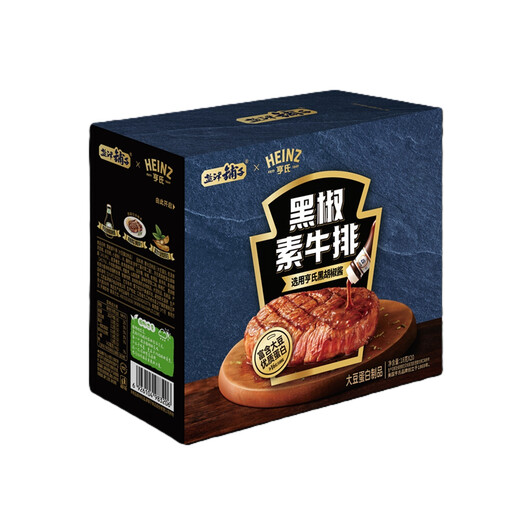
Why This Fits Their Persona: This is a high-protein, ready-to-eat snack ideal for a busy professional's desk drawer or a student's backpack. The individual 18g packs ensure freshness and portion control without any preparation needed.
It sidesteps the "flavour mismatch" by using a distinct black pepper sauce and granules, providing a savoury, peppery taste. It's clearly a ready to eat mock meat, avoiding any preparation confusion.
High in protein (16.7g per 100g) for a satisfying snack. The puffed soy meat base provides a pleasant chew, and the individual packaging is highly convenient.
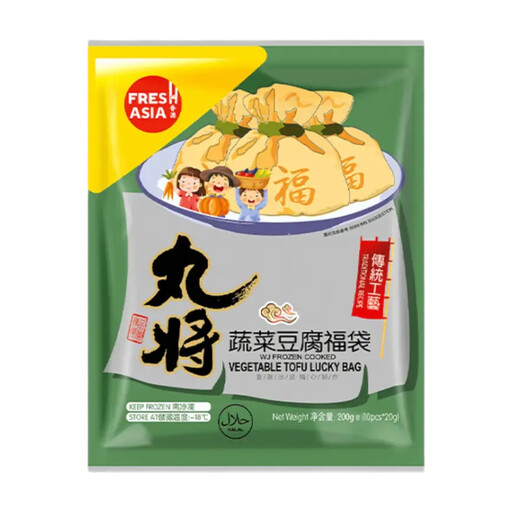
Why This Fits Their Persona: For anyone hosting a hot pot night or making a traditional Asian soup, these tofu lucky bags are an authentic and exciting addition. They are specifically designed to be cooked in broth, adding texture and flavour to the meal.
This product avoids the "texture trap" by not trying to be meat. It's a traditional tofu-skin parcel, prized for its ability to soak up flavour and provide a tender, delicate bite. It's an ingredient, not a standalone substitute.
A classic vegetarian hot pot ingredient that adds a fun and authentic element to communal dining. The vegetable filling provides extra flavour and nutritional value.
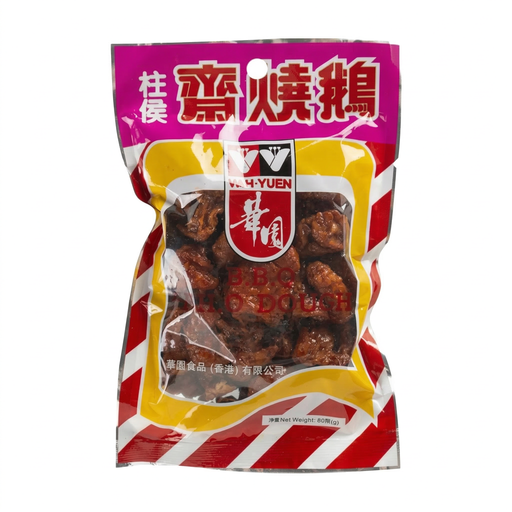
Why This Fits Their Persona: For those who prioritise a firm, chewy texture in their vegetarian meat, this product delivers. It's perfect for slicing and adding to stir-fries, noodle soups or enjoying as a cold appetiser, mimicking the satisfying bite of traditional roast meats.
Its wheat gluten base provides a genuinely firm and layered texture, avoiding the "spongy" pitfall of some soy products. The authentic Chu-Hou sauce flavouring also prevents it from being bland or artificially seasoned.
Delivers a satisfying, dense chew that holds up well in cooking. The savoury-sweet Chu-Hou flavour is a classic Cantonese profile, offering an authentic taste experience.
We have compiled a complete, real-time list of products that fully satisfy these strict selection criteria and UK safety regulations.
The nutritional value of vegan meat substitutes varies widely. Many are excellent sources of protein. However, it's wise to check the label for sodium and sugar content, as some pre-seasoned products can be high in both. Options based on soy, wheat gluten and konjac all offer different nutritional profiles, so choose based on your dietary goals.
This depends entirely on the product. Ready to eat mock meat requires no cooking at all. Frozen items like tofu lucky bags should be cooked directly from frozen in boiling soup for 5-6 minutes. Dried mock meats may need rehydrating first. Always check the package for specific instructions to achieve the intended texture and taste.
The key difference is texture and the base ingredient. Seitan is made from wheat gluten and is known for its very firm, dense and chewy texture. Soy meat is made from soybeans and has a more versatile texture that can range from soft and crumbly to firm and steak-like, but it is generally less dense than seitan. Your choice depends on the specific mouthfeel you are trying to achieve in a dish.