
24/7 Customer Support

Free returns

Same-day & Next-day Delivery

Quality Guaranteed

Unlock Your Welcome Offers: FREE Delivery | Up to 80% OFF | Free 30-day JoyPlus trial
Download the APP
From the deep, savoury notes in a ramen broth to the satisfying chew in a hot and sour soup, Asian mushrooms are the unsung heroes of many classic dishes. For home cooks in the UK, navigating the world of oriental mushrooms can be a challenge. The packaging isn't always in English, and the sheer variety can be overwhelming. This often leads to a few common purchasing mistakes.
Many shoppers find themselves paying extra for "premium" graded mushrooms that make little difference in a home-cooked meal. Another frequent issue is ending up with dried mushrooms that remain tough after soaking or, worse, have a gritty texture from improper processing. Finally, it's easy to buy the wrong type for your recipe—using a delicate, jelly-like fungus when you needed a meaty, flavourful shiitake can change a dish entirely. This guide will help you understand the key factors to consider, ensuring you choose the right product for your culinary needs.
To get the most value and flavour, focus on these three practical considerations rather than marketing labels.
The format you choose has the biggest impact on flavour intensity and preparation time.
The cut affects both texture and cooking time.
While there are hundreds of varieties, most East and Southeast Asian recipes rely on a few key types. Understanding their distinct characteristics is crucial.
Based on common cooking needs in the UK, here are a few recommendations matched to different home cook profiles.
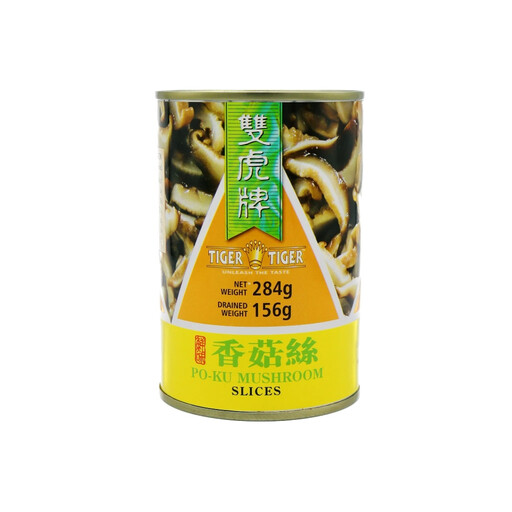
Why This Fits Their Persona: This is for the busy home cook who wants to add authentic ingredients to a quick meal without the lengthy prep. The pre-sliced, canned format is perfect for adding directly to a stir-fry or noodle dish.
It bypasses the hassle of rehydrating dried mushrooms, saving time and effort. As a canned product, consistency is reliable, avoiding the risk of gritty or tough results.
Convenience: Ready to use straight from the can. Versatility: The mild flavour and tender texture work well in a wide variety of dishes.
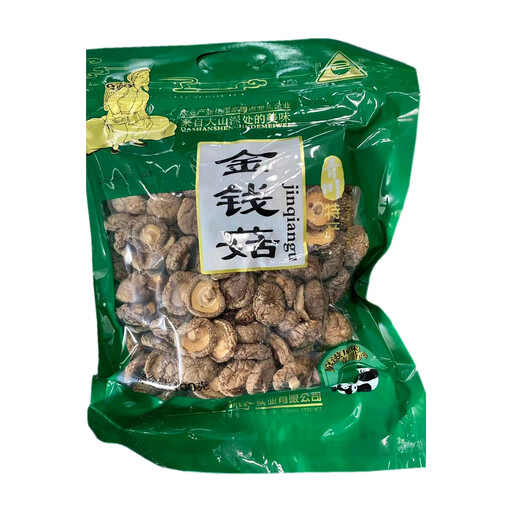
Why This Fits Their Persona: For the cook who prioritises deep, authentic flavour above all. These whole dried shiitake mushrooms are perfect for creating rich, umami-packed broths for ramen, hot pot or traditional Chinese soups.
Instead of a generic "premium" label, this product delivers on the core promise of dried mushrooms: concentrated flavour. The whole form allows the cook to control the final size and texture.
Intense Flavour: Delivers a powerful umami kick. Meaty Texture: The whole mushrooms become thick and tender after soaking, adding substantial bite to dishes.
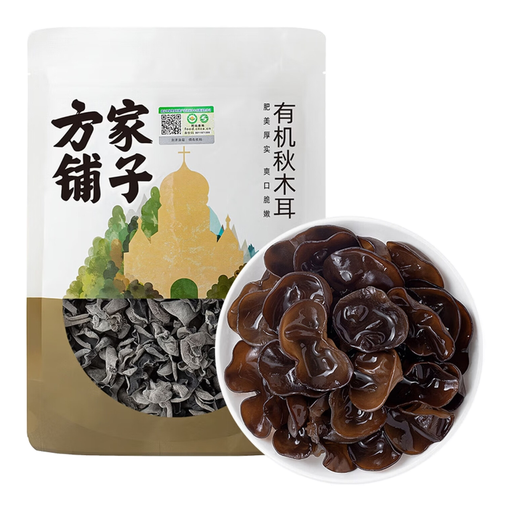
Why This Fits Their Persona: This is for the cook who understands that texture is just as important as flavour. Wood ear mushrooms are all about that satisfying, crunchy bite in a hot and sour soup or a cold-dressed salad.
It solves the problem of buying the wrong mushroom type. This product clearly delivers the specific wood ear variety needed for texture-focused dishes, avoiding the disappointment of a soft, flavour-focused mushroom.
Superior Texture: The product description notes its thick flesh and high rehydration rate, leading to a plump, crunchy result. Cleanliness: Highlighted as having less impurity and sand, addressing a common pitfall of lower-quality dried goods.
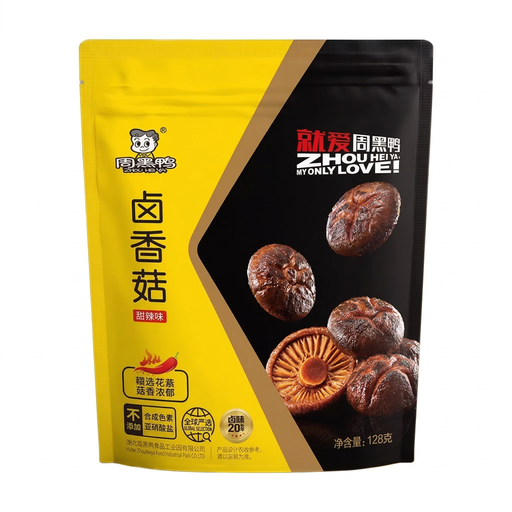
Why This Fits Their Persona: Perfect for someone looking for a novel, savoury snack or an effortless side dish. This ready-to-eat product offers a unique flavour experience from a well-known brand without any preparation.
This product completely removes the guesswork and effort of cooking. It's a finished item, delivering a consistent and authentic braised flavour every time.
Ready-to-Eat: No cooking required. Signature Flavour: Braised in Zhou Hei Ya's distinctive marinade for a savoury, slightly sweet and aromatic taste.
We have compiled a complete, real-time list of products that fully satisfy these strict selection criteria and UK safety regulations.
1. How do you properly rehydrate dried Asian mushrooms? First, give the dried mushrooms a quick rinse under cold water to remove any surface dust. Then, place them in a bowl and cover them with warm (not boiling) water. Let them soak for 20-30 minutes for slices, or longer for thick, whole mushrooms, until they are fully softened and plump. Avoid soaking them for an excessive amount of time, as they can become waterlogged.
2. Can you use the soaking water from dried mushrooms? Absolutely. The water used to soak mushrooms like shiitake becomes a flavourful, earthy broth. It's an excellent base for soups, stews and sauces. Just be sure to strain it through a fine-mesh sieve or a coffee filter to remove any grit or sediment before using it in your cooking.
3. What is the difference between black fungus and wood ear mushrooms? In cooking, the terms black fungus and wood ear mushroom are often used interchangeably. They refer to the same family of fungi (Auricularia) prized for their springy, crunchy texture. While there are subtle botanical differences, for culinary purposes in the UK market, you can consider them to be the same ingredient. They both provide that signature textural contrast in dishes like hot and sour soup and Chinese salads.