
24/7 Customer Support

Free returns

Same-day & Next-day Delivery

Quality Guaranteed

Unlock Your Welcome Offers: FREE Delivery | Up to 80% OFF | Free 30-day JoyPlus trial
Download the APP
For any home cook in the UK looking to recreate authentic Asian cuisine, the journey often leads to a crucial category of ingredients: Asian mushrooms. Far beyond the familiar chestnut or portobello, varieties like dried shiitake mushrooms, black fungus and white fungus are the cornerstones of flavour and texture in countless dishes. Yet, navigating the options can be confusing, and it's easy to make a purchase you later regret.
As the Joybuy Product Recommendation Officer, my role is to help you understand what to look for, so you can stock your pantry with confidence. We'll look past the marketing and focus on the practical details that ensure you get authentic, high-quality ingredients for your next stir-fry, soup or hot pot.
Before adding anything to your basket, it helps to be aware of a few common issues that can lead to disappointing results in the kitchen.
To avoid these traps, focus on a few key characteristics that define a mushroom's purpose in a dish. Understanding these will make you a more discerning shopper and a better cook.
The form you buy your mushrooms in has a significant impact on preparation time and flavour.
The primary reason for choosing a specific Asian mushroom is often its unique texture. Here’s a simple breakdown:
To help you choose, we've matched some reliable options to the needs of different UK home cooks.
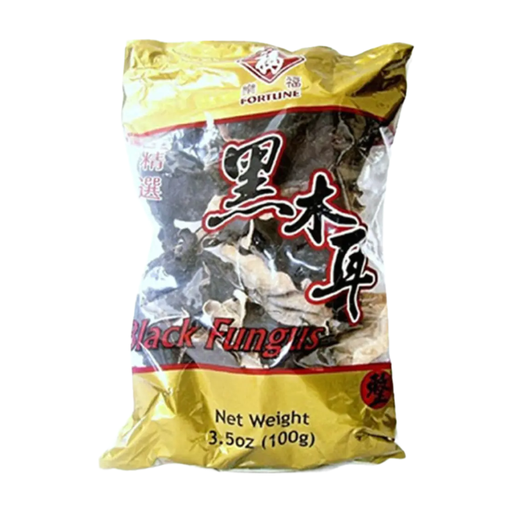
Why This Fits Their Persona: This user needs an ingredient that provides an authentic, crunchy texture that doesn't go soft in a hot pot or a sizzling wok. Black fungus is the classic choice for adding that signature bite to many Chinese dishes.
This product directly addresses the "texture mismatch" pitfall. Its description highlights its crunchy texture after rehydration, ensuring you know its intended use and helping you avoid a mushy stir-fry.
It's a versatile pantry staple that is high in dietary fibre. The quality ensures a clean product that rehydrates well for a consistent, springy texture.
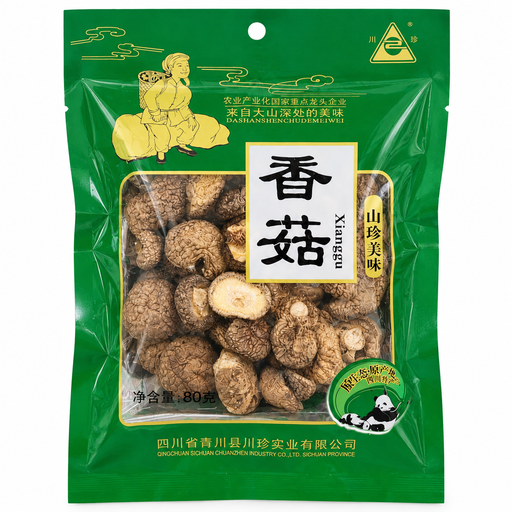
Why This Fits Their Persona: This cook values deep, umami flavour above all else. They are building broths, stews and braised dishes where the mushroom is a star ingredient, not just a textural element.
It avoids the "quality gamble" by offering whole, premium mushrooms with a thick cap and rich aroma. The instructions to use the soaking water also help users avoid the pitfall of discarding this flavourful liquid.
These whole mushrooms provide an intense, smoky umami flavour. The ability to create a rich mushroom stock from the soaking water is a significant benefit for authentic cooking.
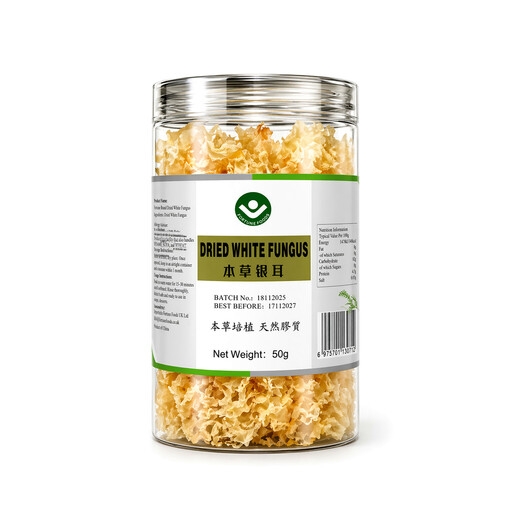
Why This Fits Their Persona: This user is interested in traditional, nourishing recipes like sweet soups. They are looking for the specific gelatinous texture and health-associated properties of white fungus (Tremella fuciformis).
The product information clearly states its suitability for desserts and sweet soups, preventing the "texture mismatch" pitfall. It also provides clear soaking and cooking instructions to achieve the desired smooth, thick consistency.
It delivers the sought-after soft, gelatinous texture rich in plant-based polysaccharides. Its naturally subtle sweetness makes it a perfect base for classic nourishing desserts.
We have compiled a complete, real-time list of products that fully satisfy these strict selection criteria and UK safety regulations.
1. How do I properly rehydrate dried Asian mushrooms? As a general rule, first give the dried mushrooms a quick rinse under cold water to remove any surface dust. Then, submerge them in a bowl of cool or lukewarm water. Soaking time can range from 20 minutes for sliced or thin mushrooms to over an hour for thick, whole shiitake. You'll know they are ready when they are fully pliable and have no hard spots. Avoid using hot water, as it can compromise the texture. For dried shiitake mushrooms, always reserve the flavourful soaking liquid, strain it through a fine sieve to remove any grit and add it to your dish for an extra layer of umami.
2. What is the difference between black fungus and wood ear mushrooms? In the context of shopping for Chinese cooking ingredients, the terms black fungus and wood ear mushrooms are often used interchangeably. They refer to very similar species of fungi from the Auricularia genus, both of which are known for their dark colour and uniquely crunchy, gelatinous texture when rehydrated. Both are excellent choices for adding texture to stir-fries, soups and cold salads.
3. Can I substitute fresh shiitake for dried shiitake mushrooms? While you can, it's important to know that the flavour and texture will be quite different. Fresh shiitake have a milder, more delicate and earthy flavour. Dried shiitake mushrooms undergo a transformation during the drying process that concentrates their flavour, creating a much more intense, smoky and savoury umami profile. For dishes where a deep, rich mushroom flavour is essential, such as in traditional broths and braises, dried shiitake are the superior choice.