
24/7 Customer Support

Free returns

Same-day & Next-day Delivery

Quality Guaranteed

Unlock Your Welcome Offers: FREE Delivery | Up to 80% OFF | Free 30-day JoyPlus trial
Download the APP
As a Joybuy Product Recommendation Officer, my role is to help you navigate the crowded aisles of your local supermarket or online store. When it comes to Asian noodles, the sheer variety can be overwhelming and it's easy to end up with a product that doesn't quite deliver the authentic texture or flavour you were hoping for. Let's cut through the marketing jargon and look at what really matters when making your selection.
Many home cooks in the UK run into a few common pitfalls. Firstly, they are often swayed by packaging that promises an "authentic" experience, only to find the noodles inside are made from basic wheat flour with a texture that doesn't match the intended dish. Secondly, a frequent mistake is using the wrong type of noodle for the cooking method. A delicate rice noodle meant for soup can turn into a sticky mush in a high-heat stir-fry. Finally, with the rise of complex instant noodles, it's easy to focus on the exotic flavour sachets while overlooking the quality of the noodle itself, which is the foundation of the meal.
To avoid disappointment and ensure your dish is a success, focus on these core characteristics. Understanding them will empower you to choose the right noodle for any recipe, from a quick weeknight meal to an elaborate weekend feast.
The base ingredient is the single most important factor determining a noodle's character. Don't just look at the name on the front; check the ingredients list on the back.
The form of the noodle is not just for aesthetics; it dictates how it interacts with sauces and broths.
Your choice here depends on the balance between convenience and culinary preference.
Based on these practical criteria, here are a few selections matched to different cooking styles and needs.

Why This Fits Their Persona: For the UK foodie who is bored of standard instant ramen and actively seeks out bold, complex and authentic regional specialities. This is for someone who wants a full meal experience, not just a quick snack.
This is the antithesis of a generic instant noodle. It delivers the specific, pungent and sour flavour of Luosifen and includes a complete set of toppings like pickled bamboo and beans, avoiding the pitfall of a one-dimensional flavour sachet.
Provides a complete, multi-layered meal kit with broth, quality rice noodles and numerous traditional toppings for a restaurant-style experience at home.
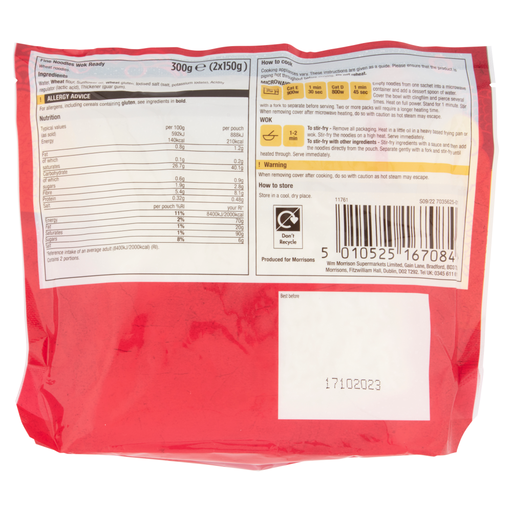
Why This Fits Their Persona: Ideal for busy professionals or parents in the UK who need to get a flavourful meal on the table quickly after a long day. Convenience is the top priority, without resorting to a microwave meal.
This product directly solves the "wrong noodle for the wrong dish" pitfall. It is specifically formulated for stir-frying, ensuring the noodles separate easily and hold their texture under high heat, preventing the mushiness that can occur with boiled noodles.
Maximum convenience. Ready in 1-2 minutes with no pre-boiling required, significantly cutting down on cooking and washing-up time.
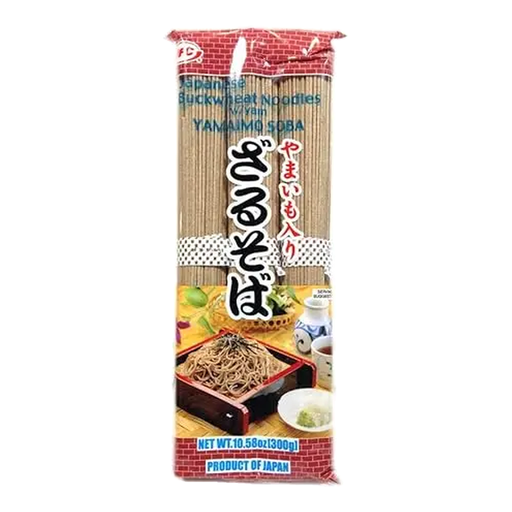
Why This Fits Their Persona: For the discerning cook dedicated to recreating authentic Japanese noodles dishes. They prioritise genuine ingredients and texture for dishes like cold Zaru Soba, where the noodle quality is paramount.
This avoids the "misleading label" trap by delivering exactly what it promises. The inclusion of Yamaimo (mountain yam) is a specific, traditional ingredient that provides the authentic smooth and slightly slippery texture valued in high-quality soba noodles.
Authentic product of Japan with a traditional formulation. The blend of buckwheat and yam flour creates the characteristic nutty flavour and smooth texture ideal for chilled noodle preparations.
We have compiled a complete, real-time list of products that fully satisfy these strict selection criteria and UK safety regulations.
The main difference is the core ingredient and resulting texture. Rice noodles are made from rice flour and are opaque white when cooked, with a soft and slightly chewy texture. Glass noodles (or vermicelli noodles made from starch) are typically made from mung bean, sweet potato or corn starch. They are translucent or 'glassy' when cooked and have a much more slippery, springy and elastic texture.
While you can technically try, it is not recommended. Delicate noodles like fine rice vermicelli will likely break apart and turn mushy under the high heat and constant tossing of a stir-fry. For the noodles for stir fry, it is better to choose a sturdier noodle, such as wheat-based egg noodles, udon or products specifically labelled "straight-to-wok," as they are designed to withstand the cooking process.
This is a common issue. For dried noodles, the key is to use a large pot with plenty of boiling water, which gives them room to move. Stir them occasionally as they cook. Once cooked to your liking, drain them and immediately rinse under cold running water. This washes off excess surface starch, which is the primary cause of stickiness. If you are not using them immediately, tossing them with a small amount of neutral oil (like sesame or vegetable oil) will also help prevent clumping.