
24/7 Customer Support

Free returns

Same-day & Next-day Delivery

Quality Guaranteed

Unlock Your Welcome Offers: FREE Delivery | Up to 80% OFF | Free 30-day JoyPlus trial
Download the APP
Buying Asian noodles for home cooking can be less straightforward than it looks. Product names such as soba, shirataki, rice noodles and pho noodles describe different ingredients, textures and preparation methods. A low price may also hide a small drained weight, while a “buckwheat” label does not necessarily mean the noodles are gluten-free.
This guide explains the practical details UK shoppers should check before buying, followed by recommendations matched to different cooking habits.
Many buckwheat noodles and soba noodles contain wheat flour. For example, a product may contain 25–30% buckwheat alongside wheat, creating the characteristic nutty flavour but also making it unsuitable for people avoiding gluten or wheat.
Buckwheat itself is naturally different from wheat, but the finished product must be checked individually. Always read the ingredients and allergen statement rather than relying on the name “Japanese noodles” or “soba”.
Noodle packaging can show the total weight, but some products are packed in water. With shirataki noodles and konjac noodles, the drained weight may be considerably lower than the headline quantity. Yutaka Japanese-Style White Shirataki Noodles, for instance, list a 375g pack with a 170g drained weight.
For dried noodles, the stated weight usually refers to the uncooked product. Compare like with like and consider how many portions the pack provides.
Thin rice noodles may soften quickly in hot water, while dried soba generally needs boiling and rinsing. Shirataki noodles are pre-cooked or require brief heating, depending on the product. Using the wrong method can result in noodles that are too soft, sticky or lacking in flavour.
Check whether the noodles are intended for stir-fries, soups, salads, dipping sauces or instant preparation before adding them to your basket.
The ingredient list is the most useful way to separate similar-looking products.
If you have a diagnosed allergy or need to avoid cross-contamination, use the current packaging information and manufacturer guidance.
Dried wheat-based noodles commonly contain around 340–360 kcal and 69–82g of carbohydrate per 100g, depending on the recipe. This includes many soba and rice noodle products. They can be useful as filling pantry staples, but they are not automatically suitable for low-carbohydrate diets.
Konjac-based products have a different nutritional profile. Yutaka shirataki noodles list 10 kcal and 1.2g carbohydrate per 100g uncooked, while Yuanhe Konjac Shirataki Noodles list 12 kcal and 2.5g carbohydrate per 100g. Check whether the figures refer to drained, uncooked or prepared weight.
For weekday cooking, preparation instructions matter as much as ingredients.
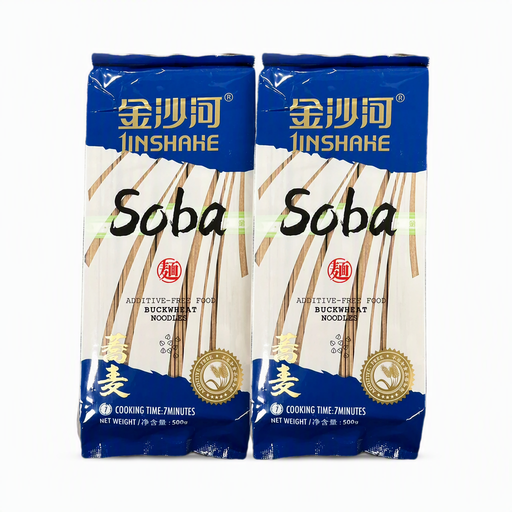
Why This Fits Their Persona: The two-pack gives new Asian-cuisine cooks a practical dried staple for soups, cold noodle salads and stir-fries without committing to a very large catering-style pack.
The listing specifies at least 30% buckwheat, while clearly identifying wheat as an allergen, so shoppers are less likely to confuse it with gluten-free noodles.
Two 500g packs; 5g dietary fibre and 12g protein per 100g dry product according to the listing.
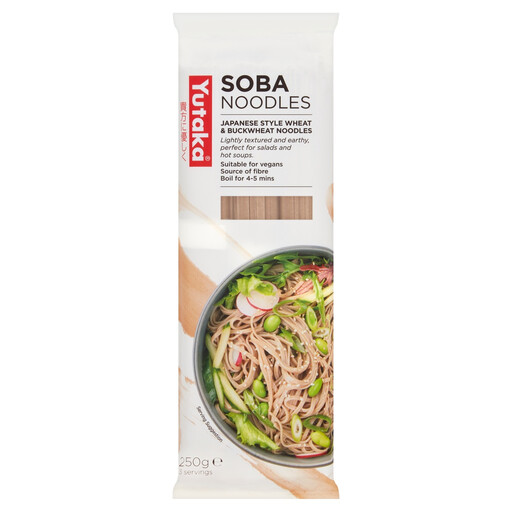
Why This Fits Their Persona: A smaller pack suits diners who want a measured introduction to Japanese noodles for cold dipping dishes, warm broth or a neatly portioned lunch.
The ingredient declaration gives precise proportions: 58% wheat flour and 30% buckwheat flour. It is therefore not suitable for wheat-free diets.
The listing provides cold-rinsing instructions and reports 4.6g fibre and 15g protein per 100g.
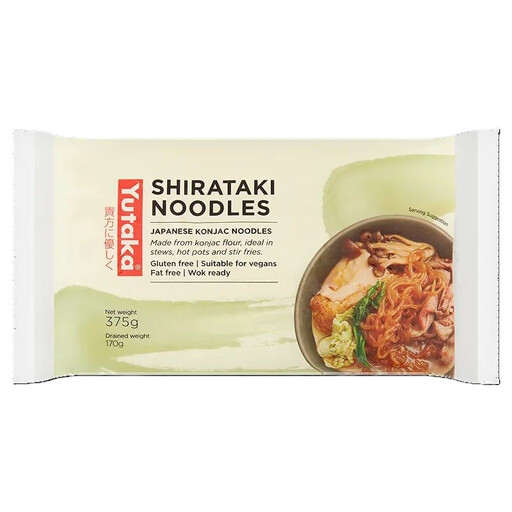
Why This Fits Their Persona: These noodles suit shoppers looking for a quick konjac-based alternative for soups, sauces or stir-fries with a lower carbohydrate value than dried rice or wheat noodles.
The drained weight is stated clearly, helping shoppers compare the genuinely usable quantity rather than only the water-packed headline weight.
Pre-cooked format; 10 kcal and 1.2g carbohydrate per 100g uncooked, according to the product information.
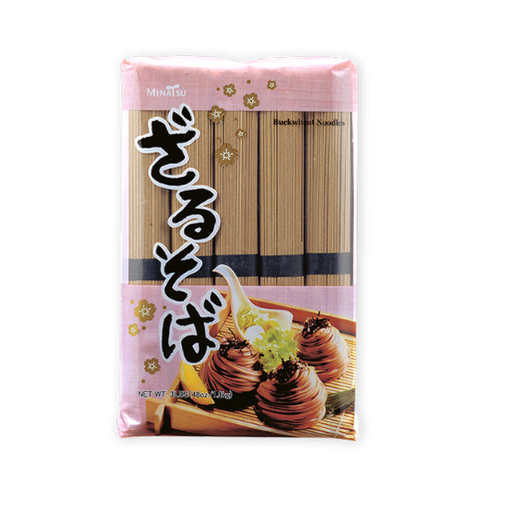
Why This Fits Their Persona: The 1.3kg pack is suited to larger households or frequent cooks preparing soba bowls, broths, salads and packed lunches.
The product information states that it contains wheat and may contain traces of soya beans, making the allergen position visible before purchase.
Large 1.3kg quantity; suitable for hot and cold dishes after boiling and rinsing.
We have compiled a complete, real-time list of products that fully satisfy these strict selection criteria and UK safety regulations.
For gluten-free cooking, Sempio Rice Noodles 400g lists rice flour and water as ingredients and states no allergens. For a quick plant-based meal, Vifon Rice Noodles Pho Chay Vegetarian 70g is an instant pho-style option prepared with boiling water, although its seasoning contains soya beans and the listed salt content should be considered.
Those seeking a smaller buckwheat portion could consider YunShanBan Buckwheat Noodles 200g, while Yuanhe Konjac Shirataki Noodle 400g ×2 provides a larger konjac format for repeated soups and stir-fries. Always check the current pack before ordering, particularly where dietary restrictions apply.
Not automatically. Most dried soba products combine buckwheat flour with wheat flour. Look for a clear gluten-free statement and suitable allergen information if wheat or gluten must be avoided.
Drain and rinse them thoroughly under cold running water. Depending on the product, boil for around one to two minutes or add directly to a hot soup or stir-fry. Follow the packet instructions and refrigerate any opened product as directed.
Rice noodles, wheat-based buckwheat noodles and konjac noodles can all work in stir-fries. Choose thicker noodles for robust sauces, soak or boil them according to the instructions, and avoid overcooking before they reach the wok or frying pan.