
24/7 Customer Support

Free returns

Same-day & Next-day Delivery

Quality Guaranteed

Unlock Your Welcome Offers: FREE Delivery | Up to 80% OFF | Free 30-day JoyPlus trial
Download the APP
Choosing Asian noodles for a UK kitchen can be surprisingly difficult. A packet may look suitable for Pad Thai, pho or a stir-fry, yet the wrong width, preparation method or allergen information can leave you with broken strands, sticky noodles or an unsuitable meal.
This guide focuses on the practical details that matter before you buy, from rice noodles and rice vermicelli to soba noodles, shirataki noodles and larger catering packs.
Rice sticks vary considerably in width. Fine rice vermicelli softens quickly and suits salads, soups and light stir-fries. Medium 2.5–5mm rice noodles are more suitable for noodles for pho, Pad Thai and everyday wok dishes. Wider 10mm noodles provide a more substantial bite and are commonly used in dishes such as Pad See Ew.
Using a very fine noodle in a long stir-fry can result in breakage. Conversely, a wide rice stick may remain too firm if it is only briefly soaked.
A product made primarily from rice may be naturally free from wheat, but shared production facilities can still be relevant for customers managing coeliac disease or wheat allergies. Always check the current packaging, allergen statement and preparation information.
Soba noodles also require particular care. Buckwheat itself is not wheat, but many buckwheat noodles contain wheat flour. For example, Yutaka Soba Noodles contain wheat flour and buckwheat flour, so they are not suitable for a wheat-free diet.
Wet konjac noodles and shirataki noodles often contain water in the pack. The total pack weight may be different from the drained weight. This matters when comparing portions, value and recipe quantities.
For catering or frequent family cooking, a 400g pack or multi-pack can be more practical than a small single-serving pack. For occasional use, smaller packs reduce the risk of opened noodles losing quality in storage.
For noodles for Pad Thai, medium rice sticks around 3–5mm are a practical starting point. They can be soaked before being finished in the wok, allowing them to absorb sauce without becoming overly soft.
For pho, 2.5–5mm rice noodles offer a balance between tenderness and structure. Fine strands work well in quick broths, while wider noodles create a fuller mouthfeel.
For stir-fry noodles, select a product with preparation instructions that match your cooking method. Some require soaking only; others need boiling. Following the packet method helps reduce sticking and overcooking.
Dry noodles should generally be stored in a cool, dry place away from moisture and strong odours. Once opened, reseal the packet or transfer the noodles to an airtight container.
Check whether the product should be:
Shirataki noodles are different from dry rice products: once opened, they usually need refrigeration in water and should be consumed within the period stated on the packaging.
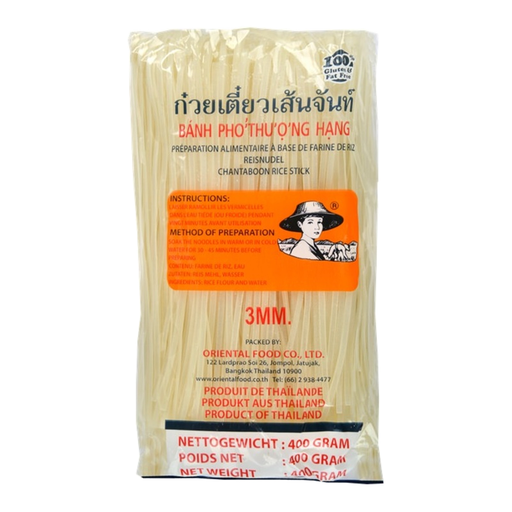
Why This Fits Their Persona: A 400g pack gives new home cooks enough noodles for several Asian-style meals, including Pad Thai, pho, soups and salads.
The 3mm width is a versatile middle ground, avoiding the mismatch between delicate vermicelli and very wide rice sticks.
Made with rice and water; listed as gluten-free and vegan-friendly. Thailand origin is stated in the product details.
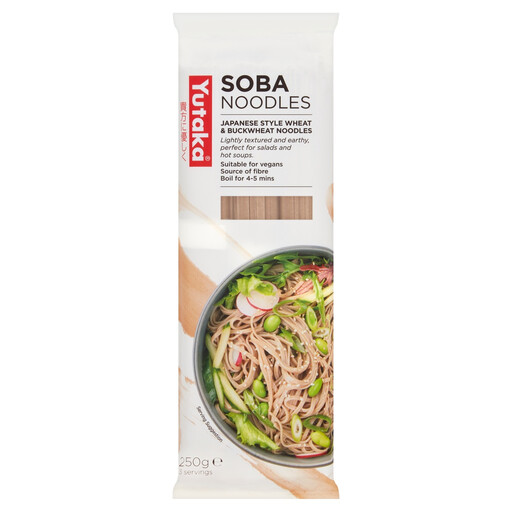
Why This Fits Their Persona: Suitable for cooks exploring Japanese meals, from chilled soba with dipping sauce to warm noodle soups.
The ingredient declaration clearly shows 58% wheat flour and 30% buckwheat flour, avoiding ambiguity around the term “soba”.
The noodles can be served hot or cold, and the instructions recommend rinsing after boiling to help maintain texture.
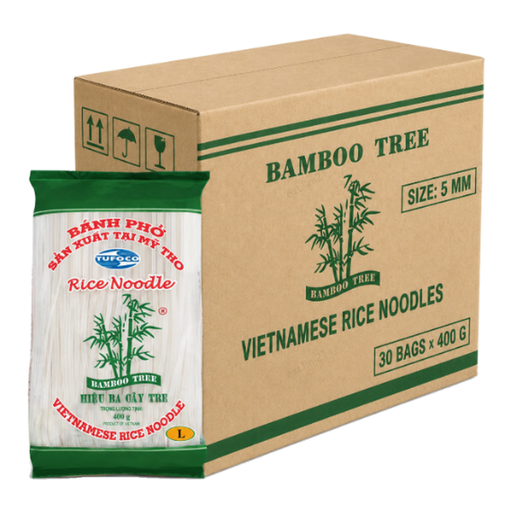
Why This Fits Their Persona: The 30-pack configuration is aimed at restaurants, caterers and households that use rice noodles frequently.
The 5mm profile is specified clearly, helping buyers match the noodles to pho, stir-fries and curry dishes instead of guessing from the product image.
Each outer case contains 30 individual 400g bags. The product details list rice, water and salt as ingredients.
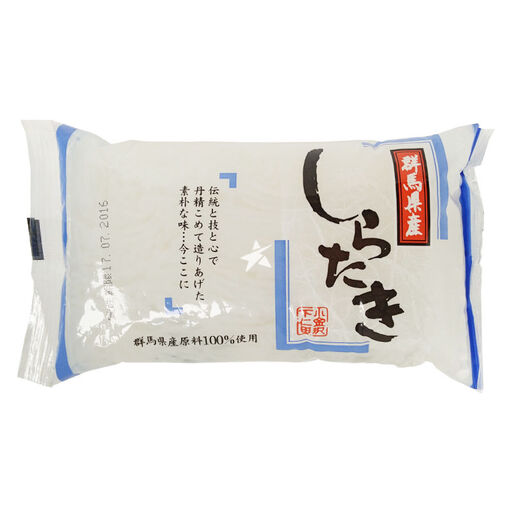
Why This Fits Their Persona: A practical option for shoppers seeking vegan, gluten-free noodles with the nutritional values listed at less than 10 kcal per 100g.
The listing distinguishes the 420g pack from its approximate 200g drained weight, helping with portion and value comparisons.
The noodles are listed as vegan and gluten-free, with a springy texture and neutral flavour suited to sauces and broths.
We have compiled a complete, real-time list of products that fully satisfy these strict selection criteria and UK safety regulations.
Medium rice sticks around 3–5mm are generally a practical choice. Check the packet instructions: many require soaking before being added to a hot wok. Thai-style rice sticks, such as the 3mm and 5mm formats above, are designed to absorb sauce while retaining some structure.
Not necessarily. Many soba noodles combine buckwheat with wheat flour. Always read the ingredients and allergen declaration. A product containing wheat should not be selected for a gluten-free meal.