
24/7 Customer Support

Free returns

Same-day & Next-day Delivery

Quality Guaranteed

Unlock Your Welcome Offers: FREE Delivery | Up to 80% OFF | Free 30-day JoyPlus trial
Download the APP
Buying Asian noodles in the UK can seem straightforward until you compare starches, formats, pack sizes and cooking instructions. A noodle that works well in hot pot may become too soft in a stir-fry, while a large bulk pack may offer poor value if it cannot be stored properly after opening.
This guide explains the practical differences between Chinese noodles, Japanese noodles and Korean noodles, helping you choose a suitable product for your cooking habits rather than relying on packaging claims.
“Vermicelli”, “soba”, “udon” and “Shanghai noodles” describe different ingredients, shapes and textures. They are not interchangeable in every recipe.
For example, rice noodles and vermicelli noodles are generally suited to soups, salads and stir-fries, while thick udon noodles are more substantial in broths or pan-fried dishes. Buckwheat noodles such as soba have a distinct earthy flavour and are often served chilled with dipping sauce or in warm soup.
Dried noodles are usually convenient for cupboard storage, but may require soaking or longer boiling. Fresh noodles often cook faster but need refrigeration or prompt consumption after opening. Cooked udon can be reheated in a minute or two, although it should not be overcooked.
Check the storage instructions and preparation time before purchasing. A product described as “quick” may still require soaking, rinsing or a separate boiling stage.
A “zero-fat” or vegetable-flavour label does not automatically make a product suitable for every meal. Review the full nutrition panel, particularly salt per 100g, and check whether the figures refer to dry, cooked or prepared noodles.
Instant noodles can also include seasoning sachets containing salt, flavour enhancers or allergens. If you want greater control over the finished dish, plain dried noodles may be more flexible.
Read the ingredients list before selecting noodles for a household with allergies or dietary preferences. Wheat-based products, including many Chinese noodles, Japanese noodles and Korean noodles, may contain gluten. Soba noodles commonly combine buckwheat with wheat, so do not assume that “buckwheat” means wheat-free.
Rice noodles are often made primarily from rice flour and water, but seasoning packets or sauces may introduce soy, sesame, peanuts or other allergens. Koka Instant Noodles Vegetable Flavour, for example, contains wheat and soy and may contain celery, mustard, sesame, fish, crustaceans and molluscs.
Choose the noodle according to the recipe:
A 200g pack may suit occasional cooking, while 400g to 1.8kg packs are more practical for families, regular meal preparation or bulk buying. However, large packs need an airtight container after opening to protect dried noodles from moisture and odours.
Fresh noodles and cooked noodles require more careful storage. Follow the pack instructions, keep refrigerated where stated and observe the recommended consumption period after opening.
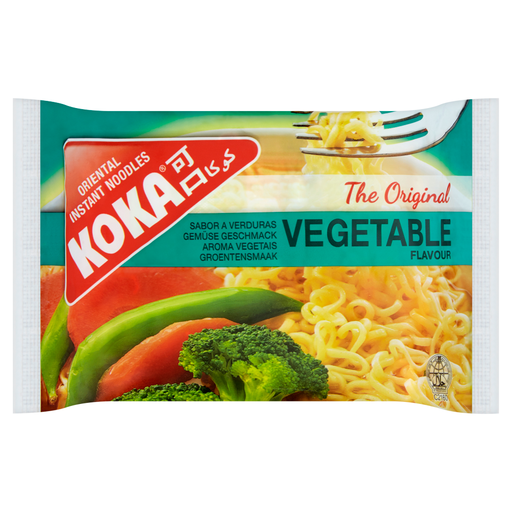
Why This Fits Their Persona: A compact option for students, solo households and anyone wanting a fast cupboard meal with vegetable seasoning.
The 85g individual pack makes portion planning clearer than a large open bag, while the allergen list flags wheat and soy before purchase.
Quick preparation with a vegetable-flavoured seasoning mix; individual 85g format.

Why This Fits Their Persona: Suitable for shoppers who value Japanese-style texture and want a convenient base for several meals.
The product is already cooked, so buyers are not paying for a dry noodle that still needs extended soaking or boiling.
Five 180g packs; ready to heat or serve cold; suitable for soups, stir-fries and salads.
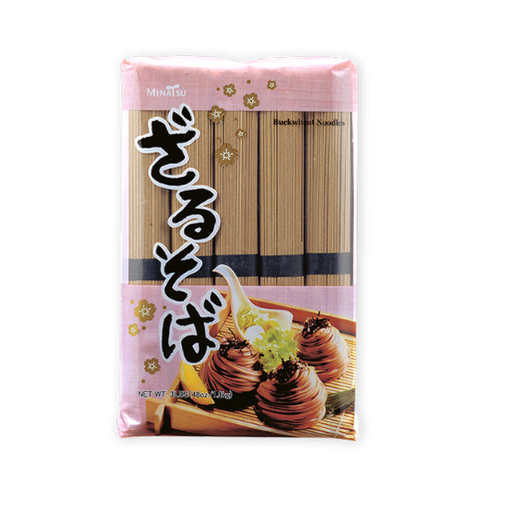
Why This Fits Their Persona: The large pack is suited to regular noodle cooks, shared households and meal preparation.
The ingredient list identifies wheat and buckwheat clearly, helping shoppers avoid assuming that soba is automatically gluten-free.
1.3kg quantity; suitable for hot or cold dishes; firm texture and buckwheat flavour.
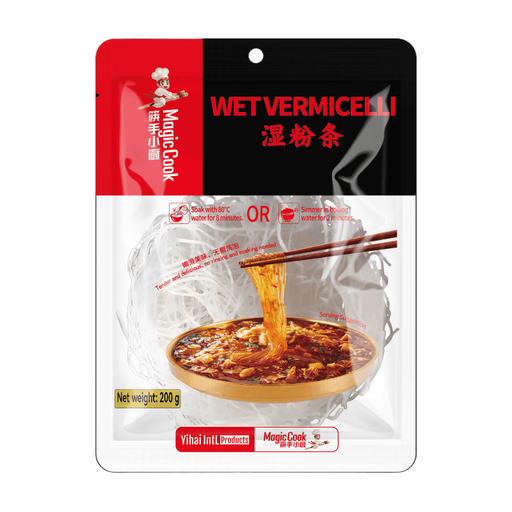
Why This Fits Their Persona: A practical choice for hot pot gatherings, soup dishes and cooks who prefer portioned fresh vermicelli.
The pack specifies rinsing and cooking rather than lengthy soaking, and the individual packaging helps reduce unused portions.
Made with sweet potato starch; smooth, chewy and translucent when cooked; listed with no allergens.
We have compiled a complete, real-time list of products that fully satisfy these strict selection criteria and UK safety regulations.
Some plain rice noodles, soba and wheat noodles are suitable for vegetarians or vegans, but recipes and seasoning sachets vary. Check the ingredients and allergen statement, particularly for fish, molluscs, egg, milk and animal-derived flavourings.
Keep unopened dried noodles in a cool, dry place away from direct sunlight. After opening, reseal the packet or transfer the noodles to an airtight container. This helps prevent moisture absorption and odour transfer.
Rice noodles, vermicelli noodles, Shanghai noodles and handmade wheat noodles can all work in stir-fries. The key is to avoid overcooking them before they reach the pan. Follow the soaking or boiling instructions, drain thoroughly and stir-fry briefly with sauce and vegetables.