
24/7 Customer Support

Free returns

Same-day & Next-day Delivery

Quality Guaranteed

Unlock Your Welcome Offers: FREE Delivery | Up to 80% OFF | Free 30-day JoyPlus trial
Download the APP
From a comforting bowl of ramen to a zesty Pad Thai, the world of Asian noodles offers a fantastic variety of textures and flavours. Yet, a stroll down the international food aisle or a browse online can be overwhelming. Packaging can be confusing, and it's easy to end up with a packet of noodles that turn to mush in the pan or simply aren't right for your recipe. As the Joybuy Product Recommendation Officer, my role is to help you navigate the options and find the right noodles for your kitchen.
Before you add anything to your basket, let's look at a couple of common pitfalls that can lead to a disappointing meal.
To avoid these issues, focus on two core factors: the base ingredient and the noodle's form. This will tell you everything you need to know about its texture, cooking time and ideal use.
The primary ingredient dictates the noodle's character. Here’s a simple breakdown:
How the noodles are packaged affects their convenience and shelf life.
To make things easier, we’ve matched some reliable noodle options to different home cooks.

Why This Fits Their Persona: For those needing a meal on the table quickly after a long day, these pre-cooked udon noodles are a lifesaver. They provide a substantial and comforting base for a simple soup or a quick stir-fry with minimal fuss.
This is a genuine quick cook noodle. Being fresh and pre-cooked, it bypasses the "instant vs. quick cook" muddle entirely, as it's ready in just 2-3 minutes with no pre-soaking required.
The soft and chewy texture holds its shape well in broths without turning mushy. Its versatility makes it suitable for soups, stir-fries or simply served with a sauce.
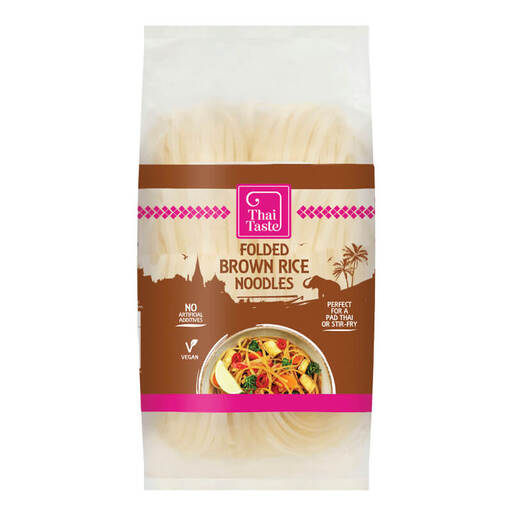
Why This Fits Their Persona: Ideal for anyone looking for a more nutritious, gluten free noodle option. Made from wholegrain brown rice, they are a source of fibre and perfect for creating healthier versions of Thai classics like Pad Thai or noodle salads.
This product avoids ingredient ambiguity. The list is simple and clear: brown rice flour and water. This transparency is crucial for those with dietary requirements, ensuring there are no hidden wheat or additives.
These noodles offer a firm, pleasant texture that doesn't fall apart in a stir-fry. Being made from wholegrain rice gives them a slightly nutty flavour that complements bold sauces.
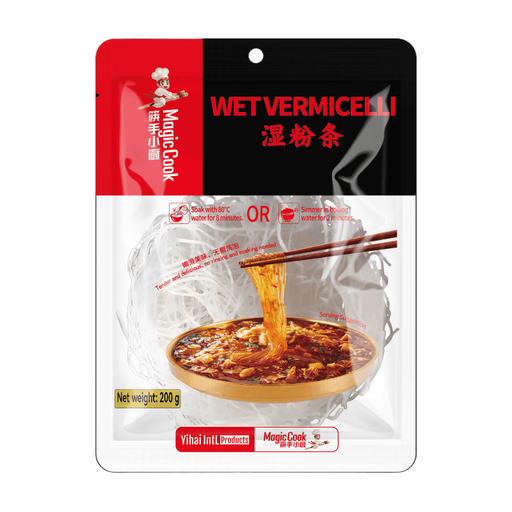
Why This Fits Their Persona: For anyone hosting a hot pot night, these sweet potato noodles are an essential component. They are specifically designed to be cooked in simmering broth, providing that classic chewy, slippery texture that defines the experience.
These noodles completely avoid the "texture trap" of becoming mushy. Their starch-based composition means they hold their structure and chewiness even after prolonged cooking, unlike wheat or rice noodles.
They are excellent at absorbing the flavour of the broth. As fresh noodles, they only require a quick rinse before being added to the pot, saving on preparation time.
We have compiled a complete, real-time list of products that fully satisfy these strict selection criteria and UK safety regulations.
The main difference is the base ingredient and resulting texture. Rice noodles are made from rice flour and are opaque and soft when cooked. Glass noodles (or cellophane noodles) are made from starches like mung bean or sweet potato. They are translucent when cooked and have a much chewier, more gelatinous and slippery texture.
While you can experiment, some noodles perform better than others. For a successful noodle for stir fry, you want a noodle that is firm and won't break apart with vigorous tossing. Medium-thickness wheat noodles, udon or flat rice noodles are excellent choices. Very fine vermicelli can sometimes clump or break, so it's often better suited for soups or salads.
This is a common issue, especially with starchy or dried noodles. The key is to rinse them immediately after cooking. Once you've drained the hot water, rinse the noodles thoroughly under cold running water. This washes away excess surface starch and stops the cooking process, preventing them from becoming a sticky, unmanageable clump. A small toss with a neutral oil (like sesame or vegetable) can also help keep them separated if you aren't using them right away.