
24/7 Customer Support

Free returns

Same-day & Next-day Delivery

Quality Guaranteed

Unlock Your Welcome Offers: FREE Delivery | Up to 80% OFF | Free 30-day JoyPlus trial
Download the APP
Navigating the world of Asian noodles can feel overwhelming. You have a recipe for a perfect bowl of ramen or a sizzling stir-fry, but the online aisle presents a dizzying array of options. From Chinese noodles to Japanese noodles, the shapes, textures and names can blur into one. Choosing the wrong type can lead to a disappointing meal, turning your culinary ambition into a mushy or bland reality.
As the Joybuy Product Recommendation Officer, my role is to help you see past the confusing labels and select the right product for your kitchen. Let's break down the common pitfalls UK home cooks face when they buy noodles online UK and how to choose with confidence.
To avoid these traps, focus on two core characteristics: the noodle's form and its ingredients. These factors, not just the name on the packet, determine its ideal use.
The physical form of a noodle dictates how it interacts with sauces and broths and defines its texture.
The flour and other ingredients used are fundamental to the noodle's final texture and flavour.
Instead of a generic list, we've matched specific noodles to the needs of different UK home cooks.
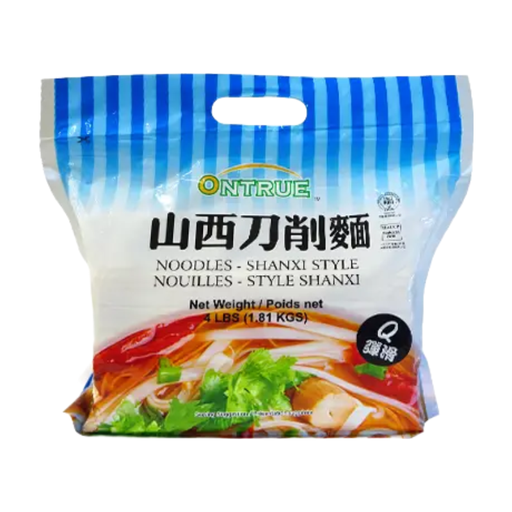
Why This Fits Their Persona: For the cook dedicated to recreating specific regional dishes, texture is non-negotiable. These noodles are for someone making hearty braised dishes or a rich, oily stir-fry where the noodle needs to be the star. The large pack is ideal for those who cook authentic meals regularly.
It sidesteps the "authentic in name only" trap. The wide, thick and firm form is genuinely characteristic of Shanxi knife cut noodles, ensuring the texture matches the recipe's requirements for sauce absorption and chewiness.
The unique shape provides excellent sauce adhesion. Its firm, substantial bite holds up perfectly in hot pots, stews and stir-fries without turning soft.
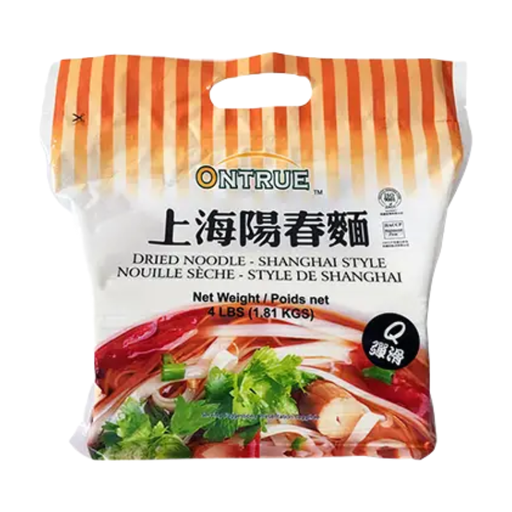
Why This Fits Their Persona: This is for the household that needs a reliable, versatile and economical pantry staple. The thin, straight noodles are an all-rounder, perfect for quick weeknight soups, simple tossed noodle dishes or as a base for various toppings. The large pack size offers great value.
It avoids the trap of being overly specialised. Instead of buying multiple niche noodles, this single product capably handles a wide range of everyday Chinese noodle dishes, from soups to simple stir-fries, preventing pantry clutter and waste.
These noodles are quick-cooking (2-3 minutes) and resist turning mushy, maintaining a clear broth. Their smooth texture makes them a crowd-pleaser for all ages.
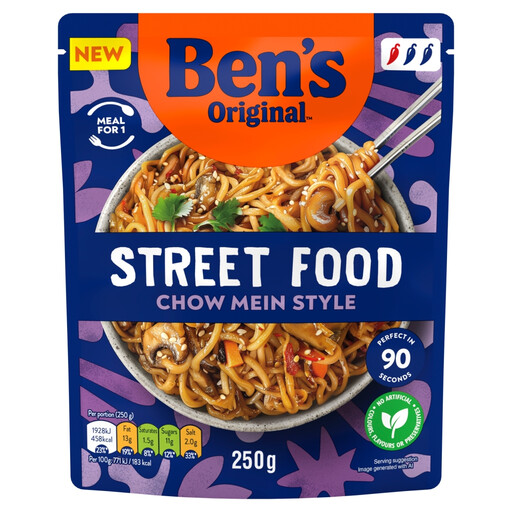
Why This Fits Their Persona: For those with limited time, a meal that's ready in under two minutes is a lifesaver. This is perfect for a quick office lunch or a no-fuss dinner after a long day, offering a complete meal with noodles, sauce and vegetables in one pouch.
It avoids the "mismatched expectations" trap by being explicitly sold as a convenient, ready-to-heat meal. It doesn't pretend to be a traditional dried noodle for scratch cooking, so you get exactly what you expect: speed and simplicity.
The primary advantage is convenience; it's a complete meal ready in 90 seconds. It's also vegetarian-friendly and contains no artificial colours or flavours.
We have compiled a complete, real-time list of products that fully satisfy these strict selection criteria and UK safety regulations.
1. What is the main difference between Chinese noodles and Japanese noodles? While both cuisines feature a rich noodle culture, there are general distinctions. Chinese noodles exhibit a vast diversity in shape and size, from hair-thin dragon's beard noodles to wide, hand-pulled varieties. Japanese noodles tend to fall into more defined categories: ramen noodles (wheat noodles with alkaline salts), udon (thick wheat noodles), soba noodles (containing buckwheat) and somen noodles (very thin wheat noodles).
2. How do I prevent my noodles for stir fry from getting mushy? There are three key steps. First, choose a suitable noodle, typically a medium-thickness dried wheat noodle or a specific noodle for stir fry. Second, undercook the noodles slightly when boiling them; they should still be firm (al dente). Third, immediately drain them and rinse under cold water. This stops the cooking process and washes away excess starch that causes stickiness. Ensure your wok is very hot before adding the noodles to fry them quickly.
3. Can I use instant noodles instead of proper dried ramen noodles for a ramen bowl? You can, but the result will be very different. Instant noodles are typically flash-fried and pre-cooked, which gives them a softer, more porous texture and allows them to rehydrate quickly. Proper dried ramen noodles are simply raw, dried noodles that you boil from scratch. They provide a much firmer, chewier and more satisfying bite that holds up better in a rich, hot broth. For an authentic ramen experience, dried or fresh ramen noodles are the preferred choice.