
24/7 Customer Support

Free returns

Same-day & Next-day Delivery

Quality Guaranteed

Unlock Your Welcome Offers: FREE Delivery | Up to 80% OFF | Free 30-day JoyPlus trial
Download the APP
Navigating the world of Asian noodles can be a challenge. With countless varieties available when you look to buy noodles online in the UK, it's easy to end up with a product that doesn't suit your recipe or your taste. As a Product Recommendation Officer at Joybuy, my role is to help you understand the key differences so you can make a confident choice, avoiding common shopping pitfalls that lead to disappointing meals.
Many shoppers fall into a few simple traps. First is the "authenticity" illusion, where packaging claims don't match the ingredient list. Second is the mismatch between noodle type and dish, like using delicate rice vermicelli in a heavy, clinging sauce. Finally, many overlook the preparation style, choosing a noodle that requires more effort than they have time for. This guide will help you sidestep these issues.
To ensure you get the right texture and flavour for your dish, focus on these three core parameters. They are far more important than marketing slogans.
The flour used is the single most important factor determining a noodle's character.
The form of the noodle is designed for a specific purpose. A mismatch here is a common reason for a recipe not turning out as expected.
Your choice here depends entirely on convenience and how much control you want over the final dish.
Based on these practical criteria, here are a few options from our catalogue, matched to different types of UK households and cooking styles.
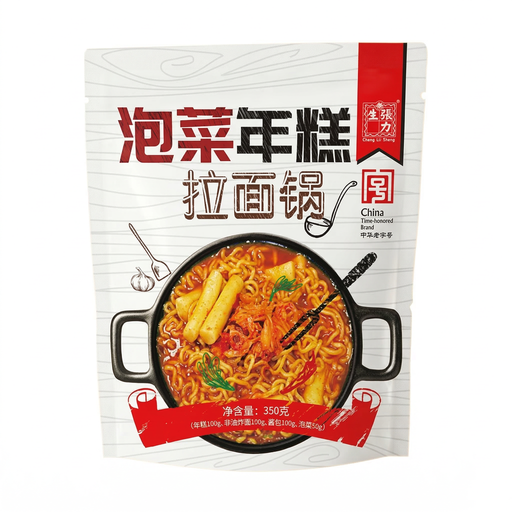
Why This Fits Their Persona: This is the ultimate convenience meal. It provides a complete, flavourful and satisfying single-serving dish of kimchi, rice cakes (tteokbokki) and ramen noodles that can be ready in minutes. It's perfect for a quick lunch at home or a late-night study snack.
It completely removes the risk of mismatching noodles, sauce and ingredients. Everything is perfectly portioned and balanced for an authentic Korean street food experience without any guesswork.
All-in-one meal solution. Combines chewy ramen and soft rice cakes for a multi-textured experience. Just add water and boil.
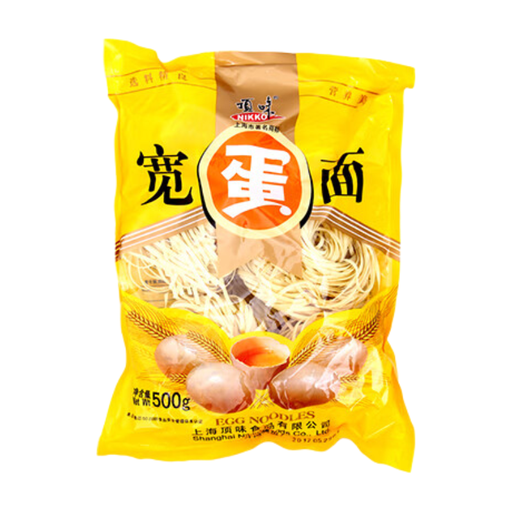
Why This Fits Their Persona: For the cook who likes to experiment, these wide egg noodles are a fantastic pantry staple. Their broad, flat shape is ideal for holding onto sauces, making them perfect for everything from a classic chicken chow mein to a fusion dish with a creamy carbonara-style sauce.
This avoids the trap of buying a niche noodle for a single recipe. Its versatile shape and rich flavour make it adaptable for dozens of dishes, from soups to stir-fries, ensuring it won't sit unused in the cupboard.
Made with egg powder for richer flavour. The wide shape is excellent for clinging sauces. A large 500g pack offers great value.
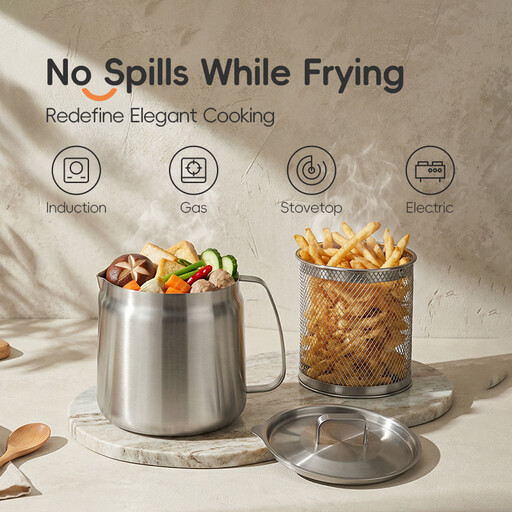
Why This Fits Their Persona: For those serious about their Asian cooking, the right equipment is as important as the ingredients. This multipurpose pot is ideal for making a single serving of ramen, but its main function as an oil filter and storage pot is invaluable for deep-frying tempura or making aromatic chilli oil.
It avoids the pitfall of using flimsy or non-food-safe containers for hot oil. Made from high-quality 304 stainless steel, it's built for high temperatures and ensures safety and hygiene, unlike repurposed jars or plastic tubs.
Multi-functional: acts as a small saucepan, deep fryer and oil strainer. Compatible with open-flame and electric ceramic hobs. Includes a fine mesh strainer.
We have compiled a complete, real-time list of products that fully satisfy these strict selection criteria and UK safety regulations.
What is the main difference between egg noodles and plain wheat noodles? The primary difference is the addition of eggs or egg powder to the dough of egg noodles. This gives them a slightly richer, more savoury flavour and a characteristically yellow colour. Plain wheat noodles, used for things like ramen noodles, have a cleaner taste that allows the broth or sauce to be the star. Texturally, egg noodles can often be a bit softer and less springy than their plain wheat counterparts.
How should I store leftover dried Asian noodles? Once opened, dried noodles should be stored in an airtight container in a cool, dark and dry place, like a pantry or cupboard. This protects them from moisture, which can cause them to spoil, and from pests. Avoid storing them near the stove or in direct sunlight. When stored correctly, most dried noodles will last for many months.
Can I use rice noodles for a ramen dish? While you can technically use any noodle you like, it's not a traditional pairing. Ramen is defined by its alkaline wheat noodles, which have a specific chewy, springy texture designed to hold up in the rich, hot broth. Rice noodles are much softer and more delicate; they would likely become mushy and break apart in a typical ramen broth. They are better suited for lighter soups like Vietnamese Pho.