
24/7 Customer Support

Free returns

Same-day & Next-day Delivery

Quality Guaranteed

Unlock Your Welcome Offers: FREE Delivery | Up to 80% OFF | Free 30-day JoyPlus trial
Download the APP
As a Joybuy Product Recommendation Officer, my role is to help you navigate the crowded online marketplace. The world of Asian noodles is vast and exciting, but it's also filled with options that can be disappointing. Many UK shoppers, from students looking for quick meals to home cooks exploring authentic cuisine, find themselves let down by products that don't live up to their promise.
Before you add that next pack to your basket, let's look at a few common pitfalls that can lead to a dissatisfying meal and wasted money.
To make a better choice, focusing on a few core parameters is far more useful than relying on marketing buzzwords.
Understanding the fundamentals of what makes a good noodle product will empower you to select items that genuinely match your expectations, whether you're making a quick supper or an elaborate weekend feast.
The preparation method of the noodle itself is the single biggest factor affecting texture and taste.
The flour used determines the noodle's character and its suitability for different dishes.
Look for specificity. A product labelled "Sichuan-style spicy noodles" should ideally contain Sichuan peppercorns for that signature numbing 'mala' sensation. A "Shanghai-style scallion oil noodle" should have a rich, aromatic oil as its star ingredient, not just a salty soy-based powder. The more specific the description, the more likely it is to be a considered, regional recipe.
Based on these practical criteria, here are a few recommendations from our catalogue, matched to different needs and preferences.
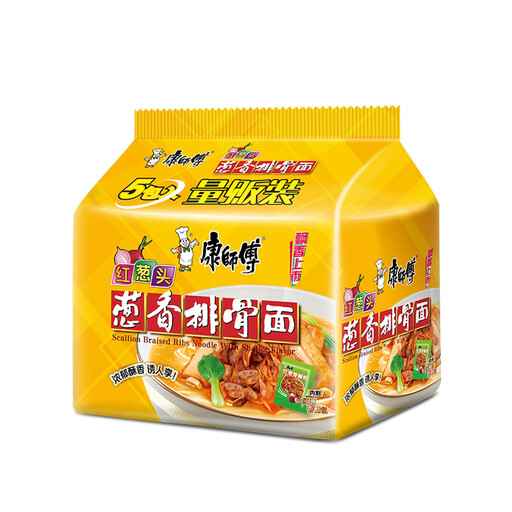
Why This Fits Their Persona: This noodle multipack is ideal for stocking the cupboard for reliable and satisfying quick meals. It's a household name for a reason, delivering a consistent and savoury flavour that's ready in minutes—perfect after a long day at the office or for a student between lectures.
It avoids the "authentic flavour" illusion by being exactly what it claims: a classic, beloved instant noodle flavour. There are no misleading promises of restaurant-style cuisine, just a dependable and tasty meal.
Very fast preparation time and the value of a five-pack make it a practical choice for regular consumption.
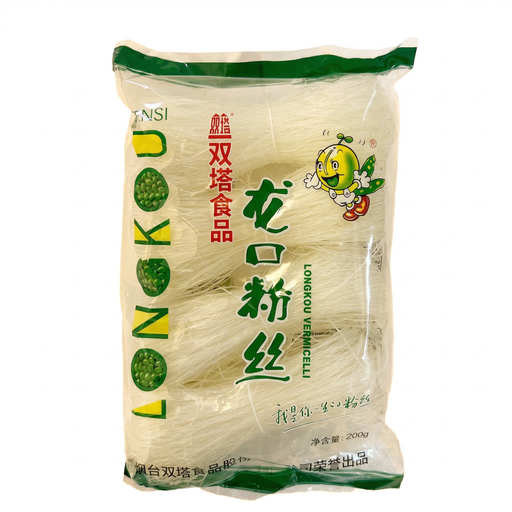
Why This Fits Their Persona: For those who want to build a dish from scratch, this is a perfect pantry staple. This mung bean vermicelli is an ingredient, not a meal kit, offering a blank canvas for authentic Chinese hot pots, cold salads and stir-fries.
It completely sidesteps the seasoning pitfall by not having any. With only two ingredients (mung beans and water), it provides a pure, clean base, putting you in full control of the final flavour and avoiding vague ingredient lists.
Extremely versatile for a wide range of dishes. The noodles maintain a smooth, supple texture even after prolonged cooking.
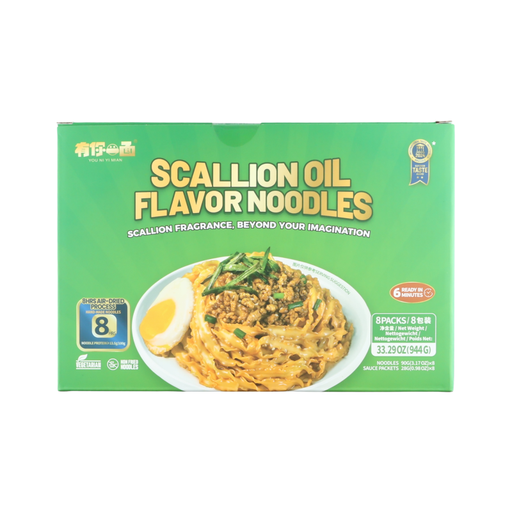
Why This Fits Their Persona: This is for someone who wants the convenience of an instant meal but isn't willing to compromise on texture or flavour. It delivers an authentic Shanghai-style scallion oil noodle experience, which is all about aroma and savoury depth.
It directly counters the texture mismatch pitfall. The use of semi-dried, non-fried noodles provides a smooth, springy bite that is far superior to standard fried blocks. The flavour is specific, regional and high-quality.
Restaurant-style chewy noodle texture. The rich, aromatic scallion oil sauce provides a genuinely authentic taste of Shanghai.
For those interested in exploring noodles with unique ingredients, such as those made with spinach or green tea, our curated collections offer even more choice. Many modern noodles incorporate vegetable powders not just for colour but for a subtle layer of flavour.
We have compiled a complete, real-time list of products that fully satisfy these strict selection criteria and UK safety regulations.
1. What's the real difference between fried and non-fried instant noodles? The main difference is texture and mouthfeel. Fried instant noodles are cooked by frying, which makes them porous and allows them to rehydrate in minutes. They tend to be softer. Non-fried noodles are air-dried, preserving more of the wheat's natural chewiness and resulting in a firmer, springier texture that many people find more satisfying and closer to fresh noodles.
2. Are there gluten-free Asian noodles? Yes, many traditional Asian noodles are naturally gluten-free. Rice vermicelli, made from rice flour, is a widely available option perfect for soups and stir-fries. Another excellent choice is mung bean vermicelli (glass noodles), which are made from starch and are also gluten-free. Always check the ingredients list to be certain, as some products may have cross-contamination warnings.
3. How can I easily elevate a simple pack of instant noodles? A few simple additions can transform a basic pack. Try adding a soft-boiled egg, some chopped spring onions or a handful of leafy greens like pak choi in the last minute of cooking. A drizzle of sesame oil, a spoonful of chilli crisp or some leftover roasted meat can also turn a simple quick meal into something much more substantial. For a truly effortless upgrade, consider a portable electric cooker, which is ideal for preparing noodles perfectly in a dorm or office.