
24/7 Customer Support

Free returns

Same-day & Next-day Delivery

Quality Guaranteed

Unlock Your Welcome Offers: FREE Delivery | Up to 80% OFF | Free 30-day JoyPlus trial
Download the APP
From a quick student lunch to the base of a gourmet stir-fry, the world of Asian noodles offers a vast and delicious variety. Yet, navigating the aisles—both physical and virtual—can be a challenge. Packaging can be misleading, flavour claims can fall flat and it's easy to overpay for a familiar name. As the Joybuy Product Recommendation Officer, my role is to help you see past the marketing and choose the right noodles for your needs and pantry.
This guide will break down the common pitfalls UK shoppers face and highlight the key factors to consider, ensuring your next noodle dish is satisfying from the first slurp to the last.
Many of us have been there: you buy a packet of noodles expecting a rich, authentic experience, only to be met with a bland or overly salty broth and a disappointing texture. Here are the main traps to watch out for:
To avoid these pitfalls, focus on a few key product details. Understanding these will empower you to select the perfect noodles for any occasion, whether it's a quick meal or a culinary project.
The primary ingredient dictates the noodle's character. This is the most crucial factor in matching a noodle to your intended dish.
Your available cooking time and desired culinary control will determine which style is right for you.
Finally, consider the type of meal you want to create.
Based on these criteria, we've matched some excellent options to different UK households and lifestyles.
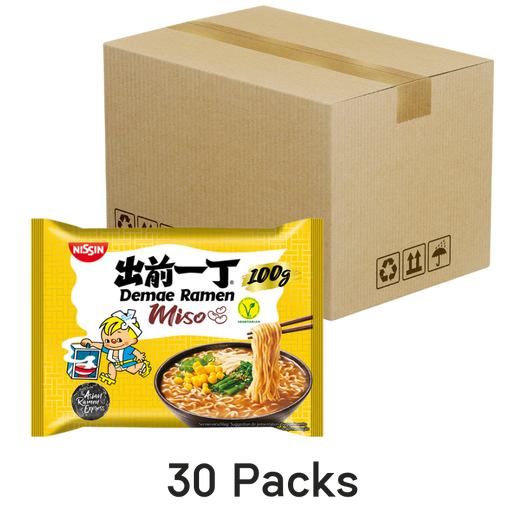
Why This Fits Their Persona: This 30-pack case of Nissin Demae Ramen is perfect for stocking a dorm or office pantry. It provides a quick, reliable and satisfying meal that's ready in 3 minutes, making it ideal for anyone with a packed schedule.
It sidesteps the "inauthentic flavour" trap. Nissin is a foundational Japanese brand and its miso broth is a globally recognised classic, delivering a consistent and savoury flavour profile rather than a generic salty one.
Excellent value when buying in bulk instant noodles. The quick 3-minute preparation time is a major plus for time-poor individuals.
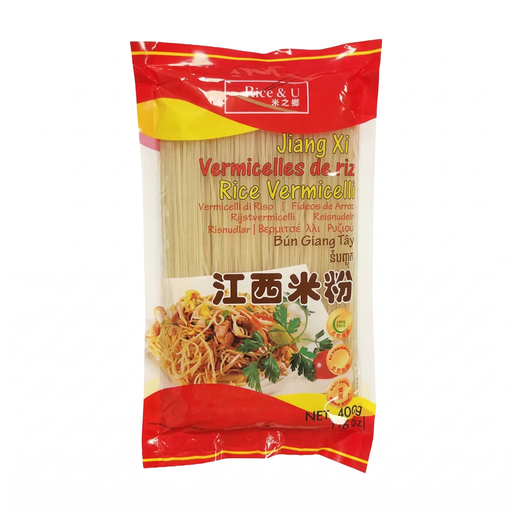
Why This Fits Their Persona: For the home cook who loves experimenting with authentic recipes, this plain rice vermicelli is a perfect pantry staple. It provides a blank canvas for creating genuine Chinese noodles dishes, soups or salads without the constraints of a pre-made flavour packet.
This product completely avoids the "misleading flavour" and "noodle imagery" traps. It is exactly what it claims to be: high-quality dried rice noodles. The final taste and texture are entirely in the cook's control.
Highly versatile for soups, stir-fries and cold dishes. Made with simple ingredients (rice, water and tapioca starch), making it a clean base for any recipe.

Why This Fits Their Persona: For those who actively seek out a fiery food challenge, the Samyang Buldak series is a must-try. This Carbonara version combines the line's signature intense heat with a creamy cheese powder, offering a uniquely rich and spicy experience for lovers of Korean noodles.
This product's reputation is built on delivering exactly what it promises: a very high level of spice. It avoids the trap of a generic "spicy" label by providing a specific, well-known and intense flavour profile that has a global following.
Features thick, chewy noodles that stand up to the bold sauce. The combination of extreme spice with creamy carbonara flavour is a popular and distinctive pairing.
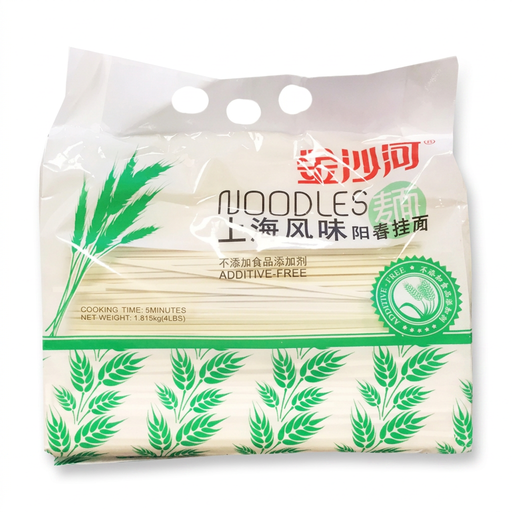
Why This Fits Their Persona: This very large 1.8kg pack of plain dried noodles is an economical and practical choice for families. The fine, Shanghai-style wheat noodles are incredibly versatile, suitable for simple noodle soups, tossed noodles with sauce or as a base for a larger stir-fry.
It avoids the "premium brand" trap by focusing on quantity and utility. This is a staple food, not a luxury item, providing a reliable and cost-effective foundation for countless family meals without a high price tag.
Exceptional value for money due to the large pack size. The noodles are resistant to overcooking and keep the broth clear, a sign of good quality processing.
We have compiled a complete, real-time list of products that fully satisfy these strict selection criteria and UK safety regulations.
The main difference is the core ingredient. Ramen noodles are almost always made from wheat flour, salt, water and an alkaline mineral water called kansui. This gives them their characteristic springy, chewy texture and often a yellowish tint. In contrast, pho noodles are made from rice flour and water. They are typically flat, soft and white, with a more delicate texture that is perfect for soaking up aromatic broths.
It's simple to elevate a basic packet of instant noodles. A great way is to add a source of protein like a boiled or fried egg, some leftover cooked chicken or tofu. You can also toss in fresh or frozen vegetables like spinach, bok choy, sweetcorn or spring onions for the last minute of cooking. To manage your sodium intake, consider using only half of the powdered seasoning sachet.
The key to perfect rice vermicelli is to avoid overcooking. For many thinner varieties, you don't even need to boil them. Simply place the dry noodles in a large bowl, cover them completely with freshly boiled water from a kettle and let them soak for 5-8 minutes or until they are soft but still have a slight bite. Drain them immediately and rinse with cold water to stop the cooking process. They are then ready to be added to soups or stir-fries. For thicker rice noodles, follow the packet instructions, but start checking for doneness a minute or two before the recommended time.