
24/7 Customer Support

Free returns

Same-day & Next-day Delivery

Quality Guaranteed

Unlock Your Welcome Offers: FREE Delivery | Up to 80% OFF | Free 30-day JoyPlus trial
Download the APP
Hello, I'm the Joybuy Product Recommendation Officer. My role is to help you navigate the crowded online marketplace and make informed choices. Today, we're diving into the world of Asian noodles, a staple that offers incredible variety but can also be a source of shopping frustration.
The sheer range of Asian noodles available online in the UK is fantastic, but it also opens the door to a few common pitfalls. Many of us have been lured by packaging that promises an authentic taste of Tokyo or Seoul, only to be met with a bland, one-dimensional flavour. Or perhaps you've bought a pack of dry noodles for a hot pot, and they disintegrated into a starchy mush within minutes. These experiences are common, but they are avoidable. Let's break down how to choose wisely.
To avoid disappointment, it helps to understand what you're looking for. Instead of relying on marketing claims, focus on these three core parameters to find the right noodle for your meal.
The base ingredient is the single most important factor determining a noodle's texture, flavour and ideal use.
How the noodle is processed affects both convenience and final texture.
To help you choose, we've matched a few standout options to different needs and cooking styles.
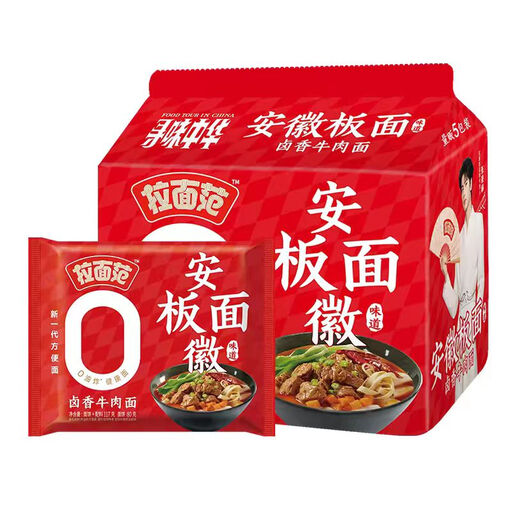
Why This Fits Their Persona: For those short on time but unwilling to compromise on flavour, this is an ideal solution. It provides a complete, satisfying meal that is ready in minutes, making it perfect for a quick lunch while working from home or a simple evening meal.
It directly counters the "broth disappointment" pitfall. Instead of a single powder sachet, it includes separate sauce, powder and vegetable packs that combine to create a deep, savoury and aromatic beef broth.
A complete meal kit with a rich, complex broth and signature chewy noodles. Ready in under 5 minutes.
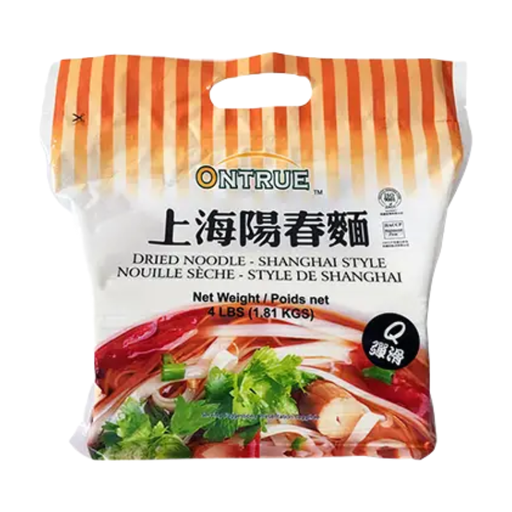
Why This Fits Their Persona: For the cook who builds their own broths and sauces, the noodle itself is the foundation. This large, economical pack of high-quality dry noodles provides a reliable and versatile base for countless authentic Chinese dishes, from simple noodle soups to complex tossed noodles.
This product solves the "texture mismatch" problem. It is specifically described as resisting overcooking and maintaining a clear broth, ensuring the noodles stay distinct and firm, rather than turning the soup cloudy and starchy.
A versatile, plain noodle with a reliable, firm texture. The large 1.81kg pack size offers excellent value for frequent use.
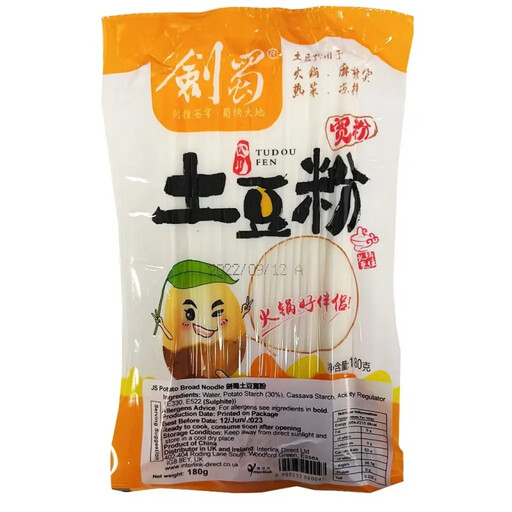
Why This Fits Their Persona: For those looking to replicate specific regional dishes, ingredient authenticity is key. These wide potato starch noodles are an essential component for Sichuan cuisine, particularly for hot pot, offering a unique texture that cannot be replicated with standard wheat or rice noodles.
This avoids the "texture mismatch" trap by being a highly specialised product. It delivers the authentic, thick and chewy texture required for dishes like Sichuan hot pot or mala tang, ensuring a genuine culinary experience.
Authentic wide, chewy potato starch noodle. It becomes smooth and translucent when cooked and excels at absorbing the flavour of spicy broths.
We have compiled a complete, real-time list of products that fully satisfy these strict selection criteria and UK safety regulations.
Here are answers to a few common questions UK shoppers have about Asian noodles.
All three are popular Japanese noodles, but they are distinct. Ramen noodles are wheat-based and are typically thin and springy, served in a rich broth. Udon noodles are also wheat-based but are much thicker and chewier, often served in a lighter, simpler soup. Soba noodles are made from buckwheat flour, giving them a greyish-brown colour, a nutty flavour and a firmer texture. They can be served hot in a soup or chilled with a dipping sauce.
Upgrading your instant noodles is easy. Start by ditching a portion of the powder sachet to control the saltiness. Then, add your own fresh ingredients. A soft-boiled egg, some sliced spring onions, a sheet of nori (seaweed) or some leftover cooked meat can transform a simple packet into a much more satisfying meal. A dash of sesame oil or chilli oil right at the end also adds a great layer of flavour.
Storage depends on the type. Dry noodles (like wheat, rice or soba) should be kept in an airtight container in a cool, dark and dry cupboard to protect them from moisture and pests; they can last for many months. Fresh noodles must be kept in the refrigerator and consumed within a few days, as indicated on the packaging. Frozen noodles should be kept in the freezer until you are ready to cook them; do not refreeze them once thawed.