
24/7 Customer Support

Free returns

Same-day & Next-day Delivery

Quality Guaranteed

Unlock Your Welcome Offers: FREE Delivery | Up to 80% OFF | Free 30-day JoyPlus trial
Download the APP
A comforting bowl of noodles can be a quick lunch, a satisfying dinner or a culinary adventure. But when you decide to buy noodles online in the UK, the sheer variety can be overwhelming. From Japanese to Korean noodles, the digital shelves are packed with options, and not all of them live up to their enticing packaging. As a Joybuy Product Recommendation Officer, my role is to help you see past the marketing and choose the right product for your needs, ensuring you get authentic flavour and good value.
Many shoppers find themselves disappointed by noodles that turn out mushy, broths that taste artificial or packs that are much smaller than expected. Let's look at the common pitfalls to avoid.
To ensure you're happy with your purchase, focus on these core characteristics. They are far more telling than flashy packaging.
The format of the noodle dictates its texture, cooking time and shelf life. There is no single "correct" choice; it depends entirely on your needs.
The soul of a noodle soup is its broth. The type of flavouring included makes a world of difference.
A quick scan of the ingredients list can tell you everything you need to know about a product's authenticity and quality. For a classic tonkotsu ramen, look for pork bone broth high up on the list. For a simple, versatile noodle like udon, the list should be short and simple: wheat flour, water and salt. If you're looking for a low-calorie option like shirataki noodles, ensure they are made from konjac flour.
Based on these practical criteria, here are a few recommendations tailored to different needs and lifestyles.
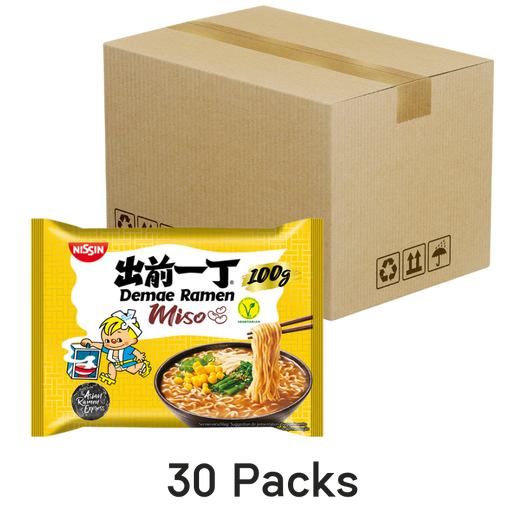
Why This Fits Their Persona: This bulk case is perfect for stocking a pantry for quick office lunches or late-night study meals. It offers exceptional value and removes the need for frequent shopping trips, fitting a busy UK lifestyle where convenience is key.
It sidesteps the portion size trap by providing 30 clearly defined 100g servings. While it's an instant noodle, Nissin is a globally recognised brand known for consistent quality, mitigating the risk of a poor texture or flavour.
Unbeatable convenience with a 3-minute cook time and excellent value from the bulk format. The miso flavour is rich and savoury.
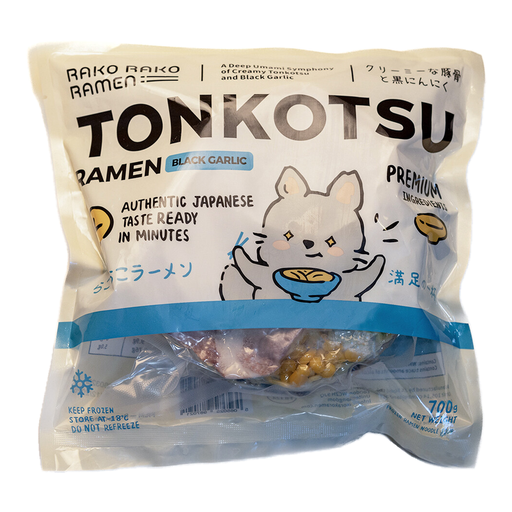
Why This Fits Their Persona: For the foodie who wants to replicate a genuine Japanese ramen experience without spending hours on the broth. This all-in-one frozen kit provides the depth of flavour they crave with the convenience needed for a weeknight meal.
It directly counters the "inauthentic flavour" trap. The ingredients list shows the tonkotsu soup base makes up 56% of the product, and it includes real pork char siu and black garlic oil, not just flavourings.
Delivers restaurant-level flavour with a rich, smoky and savoury broth. The flash-frozen format preserves the noodle texture and includes toppings for a complete meal.
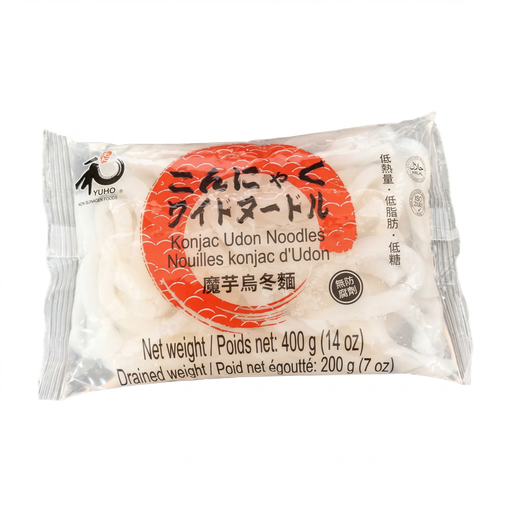
Why This Fits Their Persona: This is for anyone on a low-calorie, low-carb or keto diet who misses noodles. These shirataki noodles, made from konjac flour, provide the noodle experience without the carbohydrates, making them a perfect fit for specific dietary goals.
This product is transparent about what it is: a functional food. It avoids the "authentic flavour" trap because its purpose is to be a neutral, low-calorie base. The nutritional information is its main selling point, not a hidden detail.
Extremely low in calories (6 kcal per 100g) and carbohydrates. The noodles have a springy texture and are excellent at absorbing the flavours of sauces and broths.
We have compiled a complete, real-time list of products that fully satisfy these strict selection criteria and UK safety regulations.
These are three of the most popular types of Japanese noodles.
Upgrading a basic pack of instant ramen is easy. Start by discarding the powdered flavour sachet and making your own simple broth with chicken or vegetable stock, a splash of soy sauce and a little miso paste. You can also add toppings like a soft-boiled egg, sliced spring onions, sweetcorn or a sheet of nori (seaweed) to create a much more satisfying meal.
For those seeking convenience without sacrificing quality, frozen ramen kits are an excellent option. They bridge the gap between quick instant noodles and a meal from a restaurant. The noodles and broth are typically of a much higher quality, and they often come with toppings like sliced pork and vegetables. While they cost more than a packet of instant noodles, they offer a more complete and authentic flavour experience for a fraction of the price of a restaurant bowl.