
24/7 Customer Support

Free returns

Same-day & Next-day Delivery

Quality Guaranteed

Unlock Your Welcome Offers: FREE Delivery | Up to 80% OFF | Free 30-day JoyPlus trial
Download the APP
From a comforting bowl of ramen on a rainy evening to a quick and zesty mi goreng for lunch, Asian noodles have become a staple in many UK kitchens. Yet, the sheer variety available when you want to buy noodles online can be overwhelming. Choosing the wrong type can lead to a disappointing meal and wasted money. As a Joybuy Product Recommendation Officer, my role is to help you navigate the options and find the perfect noodles for your needs, without the marketing fluff.
Before you add a pack to your basket, let's look at a few common pitfalls that can trip up even seasoned home cooks.
To avoid these traps, focus on three key factors: the noodle's base material, its preparation style and its dietary profile.
The primary ingredient dictates the noodle's character. Understanding this is the first step to mastering your dish.
Your choice here depends on whether you need a quick meal or a base for a more elaborate recipe.
To help you choose, we've matched some popular options to different UK lifestyles and needs.

Why This Fits Their Persona: This is the quintessential quick, satisfying and flavour-packed meal. It's perfect for a fast lunch between meetings or a late-night study session, delivering a consistently delicious result with minimal effort.
It's specifically designed as a dry stir-fry noodle (mi goreng), not a soup, avoiding the "one-noodle-fits-all" pitfall. The multi-sachet flavouring provides a complex, well-regarded taste that lives up to its reputation.
Includes five separate seasoning sachets (oil, sweet soy sauce, chilli sauce, powder and fried onions) for a layered flavour profile. Ready in under 5 minutes.

Why This Fits Their Persona: For those looking to explore regional Chinese cuisine beyond the usual, these noodles offer an authentic Sichuan hot and sour experience. The unique, wide, flat noodle shape provides a satisfyingly chewy texture that's different from standard instant ramen.
This product delivers on its "authentic" promise with a flavour profile built on aged vinegar and Sichuan peppercorn-infused chilli oil. The non-fried, sheet-like noodle is purpose-built for this style of dish.
Distinctive wide, chewy noodle texture. The seasoning combines tangy vinegar, savoury soy sauce and aromatic chilli oil for a complex, layered flavour.
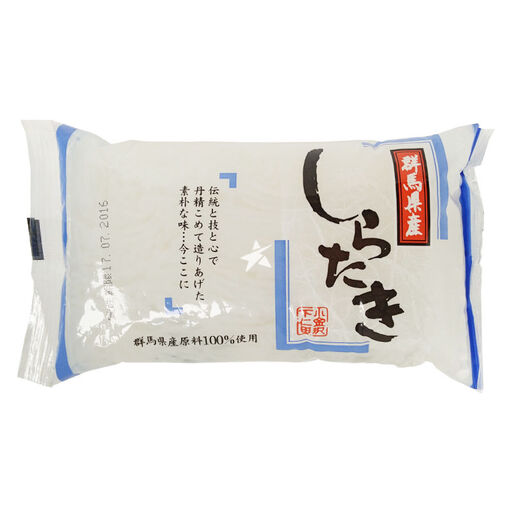
Why This Fits Their Persona: For anyone on a low-calorie, low-carb, keto or gluten-free diet, these shirataki noodles are an ideal pasta or noodle substitute. They allow you to enjoy noodle-based dishes without the associated carbohydrates and calories.
This noodle's entire purpose is its specific composition (konjac yam). It is not a generic noodle and makes no misleading claims. Its function is clear: to provide a very low-calorie, high-fibre alternative.
Virtually zero calories and carbohydrates. Being flavourless, they are excellent at absorbing the taste of broths, sauces and seasonings, making them incredibly versatile.
We have compiled a complete, real-time list of products that fully satisfy these strict selection criteria and UK safety regulations.
The primary difference is the core ingredient. Ramen is made from wheat flour, which gives it a characteristically yellow hue, a springy, elastic texture and the ability to stand up to rich, hot broths without disintegrating. Rice noodles are made from rice flour and are typically white and more delicate. They have a softer, chewier texture and are common in lighter soups like Vietnamese ph? or in stir-fries and salads where they won't be overcooked.
There are several easy ways. First, add fresh ingredients like a soft-boiled egg, some wilted spinach, chopped spring onions or leftover cooked chicken or tofu. This adds nutrients and texture. Second, consider using only half of the powdered seasoning sachet to significantly reduce your sodium intake. You can top up the flavour with a dash of soy sauce, sesame oil or chilli flakes instead.
They can be, but it's important to manage your expectations regarding texture. Shirataki noodles have a unique gelatinous, slightly rubbery chew, which is quite different from the soft bite of wheat pasta or rice noodles. To prepare them, it's crucial to rinse them thoroughly under cold water to remove the natural konjac aroma. They are excellent at absorbing flavours, so they work well in flavourful Asian-style soups, stir-fries or served with a rich sauce.