
24/7 Customer Support

Free returns

Same-day & Next-day Delivery

Quality Guaranteed

Unlock Your Welcome Offers: FREE Delivery | Up to 80% OFF | Free 30-day JoyPlus trial
Download the APP
Navigating the world of Asian noodles can feel overwhelming. With countless varieties available online, it is easy to end up with a product that doesn't quite work for your intended dish. As a Joybuy Product Recommendation Officer, my role is to help you understand the key differences so you can choose with confidence, avoiding common shopping pitfalls that lead to disappointing meals.
Many home cooks in the UK run into a few frequent issues. Firstly, there is the "authenticity" trap, where packaging promises a traditional experience, but the noodles inside are a generic type unsuitable for specific recipes like Pad Thai or a rich ramen broth. Secondly, there is the texture letdown; nothing is more frustrating than noodles that either dissolve into a starchy mush or remain stubbornly tough after cooking. This is often down to the quality of the base ingredients. Finally, vague labelling can make it difficult for those with dietary needs, particularly when searching for reliable gluten-free noodles.
To avoid these problems, focus on two non-negotiable factors before you buy: the base ingredient and the noodle's shape.
The flour or starch used to make a noodle defines its character.
The size and shape of a noodle are not just for appearance; they determine how it interacts with sauces and broths.
To help you make a practical choice, here are a few recommendations matched to different cooking needs and lifestyles.

Why This Fits Their Persona: For busy weeknights when time is short, these pre-cooked udon noodles are a lifesaver. They provide the foundation for a satisfying meal in minutes, whether it's a quick soup or a simple stir-fry after a long day at the office.
It sidesteps the "texture letdown" by offering a consistently soft and chewy bite that is difficult to get wrong, unlike dried noodles that can be easily over or undercooked.
Ready in 2-3 minutes. The vacuum-sealed pack preserves a fresh, springy texture that is superior to many instant noodle blocks.
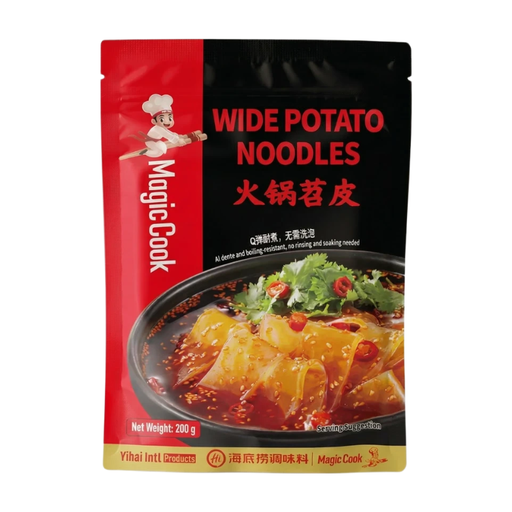
Why This Fits Their Persona: For those who love hosting hot pot nights, having the right noodles is crucial. These sweet potato noodles are specifically designed for simmering in a communal broth, making them an ideal choice for social dining.
It directly counters the "authenticity" trap. Using generic wheat noodles in a hot pot can result in a mushy mess. These hold their structure and provide the correct chewy texture expected in this dish.
Excellent at absorbing flavours from the broth. The springy, firm texture remains intact even after prolonged cooking.
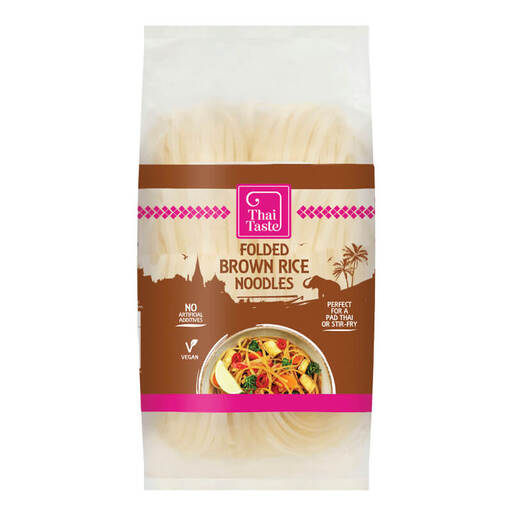
Why This Fits Their Persona: For anyone prioritising nutrition or requiring a gluten-free diet, these noodles are an excellent choice. Made from wholegrain brown rice, they offer a more fibrous alternative to standard white rice or wheat noodles.
This product avoids the "dietary gamble" by being explicitly labelled as gluten-free and having a simple ingredient list (brown rice flour and water), providing clarity and peace of mind.
Naturally gluten-free and a source of fibre. The delicate but firm texture is versatile enough for Pad Thai, soups or salads.
We have compiled a complete, real-time list of products that fully satisfy these strict selection criteria and UK safety regulations.
1. What are the main differences between Chinese and Japanese noodles? While there is overlap, Japanese noodles are often categorised into well-defined types like thick udon, thin somen, buckwheat soba and ramen. Chinese noodles display a much wider regional diversity in shape, size and ingredients, from hand-pulled lamian to flat rice noodles (he fen) and egg noodles.
2. Which Asian noodles are typically gluten-free? For a reliable gluten-free option, look for noodles made from rice, such as rice vermicelli or Pad Thai noodles. Additionally, glass noodles made from mung bean, tapioca or sweet potato noodles are naturally free from gluten. Always check the ingredients list, as some products may have cross-contamination warnings or contain wheat-based additives.
3. How can I prevent my noodles from clumping together? There are three simple steps. First, use a large pot with plenty of boiling water to give the noodles space to move. Second, stir them gently for the first minute of cooking. Finally, once cooked, drain them and rinse immediately with cold water. This washes away excess surface starch, which is the primary cause of stickiness. If you are not using them right away, tossing them with a small amount of neutral oil can also help.