
24/7 Customer Support

Free returns

Same-day & Next-day Delivery

Quality Guaranteed

Unlock Your Welcome Offers: FREE Delivery | Up to 80% OFF | Free 30-day JoyPlus trial
Download the APP
Navigating the world of Asian noodles can feel like a journey in itself. With countless options available online, it’s easy to end up with a pantry full of packets that don’t quite deliver on their promise. As a Joybuy Product Recommendation Officer, my role is to help you sidestep common shopping frustrations and find the right noodles for your kitchen, whether you're planning a quick weeknight stir-fry or an authentic weekend feast.
Before you add to your basket, let’s look at a few common pitfalls that can lead to disappointing meals and wasted money.
To make a confident choice, it helps to understand three key factors that determine a noodle's taste, texture and ideal use.
The primary ingredient dictates the noodle's character. Knowing the difference is key to matching the noodle to your dish.
How noodles are packaged significantly affects both convenience and final texture.
The noodle's form is not just for aesthetics; it determines how it interacts with sauces and broths. Broad, wide noodles have a larger surface area, perfect for clinging to thick, rich sauces in a stir-fry or a Sichuan-style dish. In contrast, slender, round noodles move freely in a light broth, making them ideal for classic noodle soups.
Instead of a generic list, we've matched some standout options to the specific needs of UK home cooks.
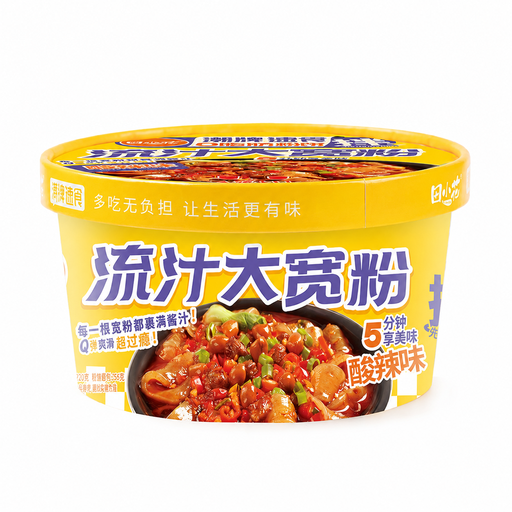
Why This Fits Their Persona: This is the ideal solution for a quick, satisfying lunch at home or in the office. It's a complete kit with noodles, seasoning and vinegar, delivering a punchy, authentic hot and sour flavour without the need for extra ingredients.
It sidesteps the "instant illusion" by being a genuinely quick bowl meal. The potato noodles also hold their chewy texture well after soaking, avoiding the mushiness common in some wheat-based instant noodles.
Includes all components for a full-flavoured meal. The wide, chewy potato starch noodles offer a satisfying texture.
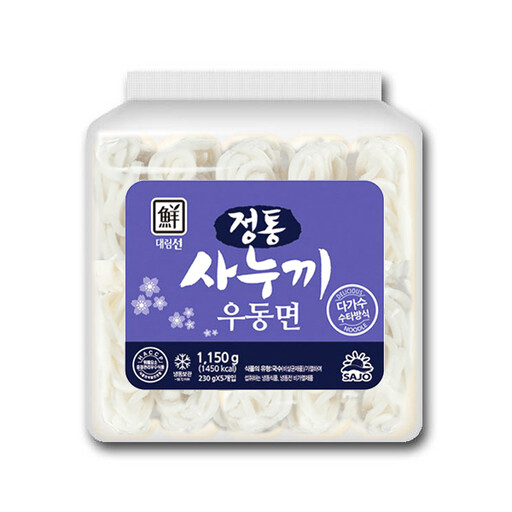
Why This Fits Their Persona: This large 1.15kg pack of classic Sanuki-style udon is a versatile and economical choice for families. Its neutral flavour and satisfying texture make it a crowd-pleaser, perfect for anything from a quick Yaki Udon stir-fry to a comforting noodle soup.
It avoids the "texture gamble" by delivering the firm, springy bite that Sanuki udon is famous for. As a simple, high-quality base ingredient, there are no confusing additives or hidden flavourings to worry about.
Excellent value in a large format. The pre-cooked noodles are very quick to prepare and hold their texture well in both hot and cold dishes.
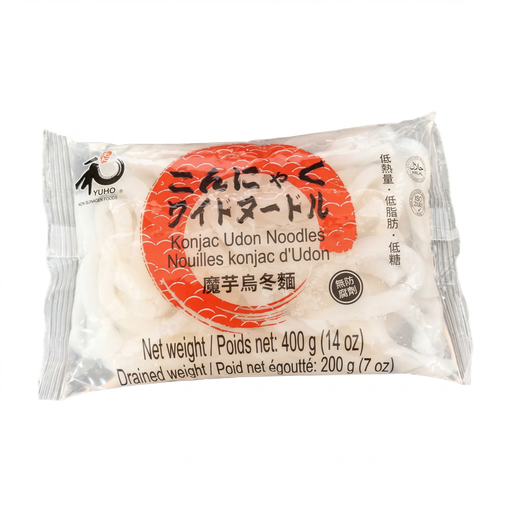
Why This Fits Their Persona: For anyone monitoring their calorie or carbohydrate intake, these konjac noodles are an excellent choice. They are plant-based, almost calorie-free, and provide the satisfaction of a noodle dish without the heavy carbs of traditional wheat or rice noodles.
This product directly counters the "confusing labels" pitfall with a simple, clean ingredient list: water, konjac flour and a firming agent. Its unique texture is a feature, not a flaw, so it sidesteps the "mushy noodle" problem entirely.
Extremely low in calories and carbohydrates. The noodles are pre-cooked and only need to be rinsed and heated, making them very convenient.
We have compiled a complete, real-time list of products that fully satisfy these strict selection criteria and UK safety regulations.
While both can be made from wheat, their texture and typical use differ. Japanese udon noodles are typically thick, round and prized for a soft but chewy and springy consistency, making them ideal for soups. Chinese wide noodles, especially from regions like Sichuan or Shaanxi, are flat and broad. Their texture is often chewier and doughier, designed to hold up in bold, spicy sauces or hearty stir-fries.
The most common cause of mushy noodles is overcooking. Always follow the package instructions, and if in doubt, cook for the minimum recommended time and test for doneness. For stir-fries, it's often a good idea to slightly undercook the noodles, as they will continue to cook in the pan. Rinsing certain types of noodles (like udon or rice noodles) in cold water after boiling can also help stop the cooking process and remove excess starch.
Konjac noodles are a popular substitute for those on low-calorie or low-carb diets. They do a great job of carrying the flavour of sauces and broths. However, it's important to note that their texture is very different from wheat or rice noodles—it's more gelatinous and firm. They don't replicate the soft chewiness of udon, but they offer a satisfying alternative for those prioritising their dietary goals.