
24/7 Customer Support

Free returns

Same-day & Next-day Delivery

Quality Guaranteed

Unlock Your Welcome Offers: FREE Delivery | Up to 80% OFF | Free 30-day JoyPlus trial
Download the APP
Navigating the world of Asian noodles can feel overwhelming. The sheer variety on offer is fantastic, but it also opens the door to a few common shopping pitfalls. Many of us have ended up with a disappointing meal—noodles that dissolved into a mushy paste in a stir-fry, or a bland soup because the noodles didn't absorb the broth. As a Joybuy Product Recommendation Officer, my role is to help you sidestep these issues and choose with confidence.
Before you add a packet to your basket, let's look at two frequent missteps that can lead to a culinary letdown.
By understanding a few core principles, you can ensure the noodles you buy will perfectly match the dish you plan to cook.
To get the authentic texture and flavour you're after, focus on two non-negotiable factors: the noodle's material and its dimensions.
The primary ingredient dictates the noodle's final bite and how it behaves in your dish.
The thickness of a noodle is not just for aesthetics; it determines its suitability for different cooking styles.
Instead of a generic list, we have matched some standout options to specific types of home cooks.
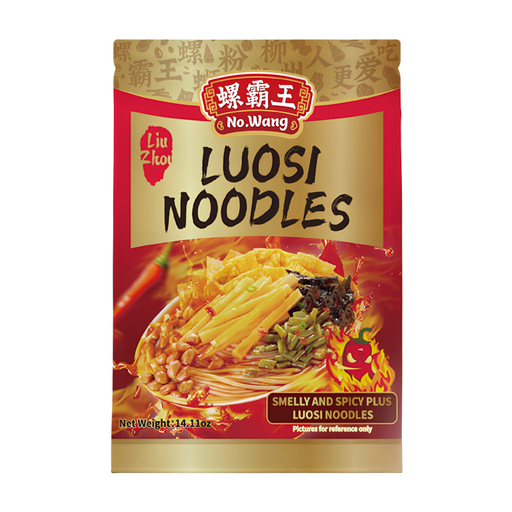
Why This Fits Their Persona: For the home cook who is bored of the usual and actively seeks out intense, authentic and complex flavours. This isn't just noodles; it's a full-on culinary experience, delivering the famously pungent and spicy taste of Luosifen, a celebrated dish from Liuzhou.
This is a complete meal kit. The rice noodles are specifically designed for the rich, snail-based broth, eliminating any risk of a texture mismatch. All components are included, from the soup base to the signature toppings.
Provides an all-in-one authentic meal experience with chewy noodles and a complete set of toppings like pickled bamboo shoots, cowpeas and peanuts.
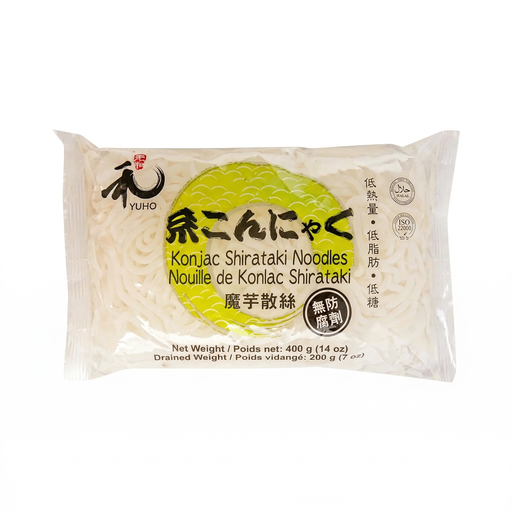
Why This Fits Their Persona: Perfect for anyone in the UK monitoring their calorie or carbohydrate intake. These konjac noodles are a popular choice for those on low-carb diets or simply looking for a lighter, high-fibre alternative to traditional pasta or noodles.
By choosing a product clearly labelled as shirataki noodles, you know to expect a unique, springy texture, not the soft bite of a wheat or rice noodle. This avoids the trap of being disappointed by a "healthy" noodle that doesn't behave as expected.
Extremely low in calories (around 12 kcal per 100g) and high in dietary fibre. They are quick to prepare and absorb the flavours of broths and sauces very well.
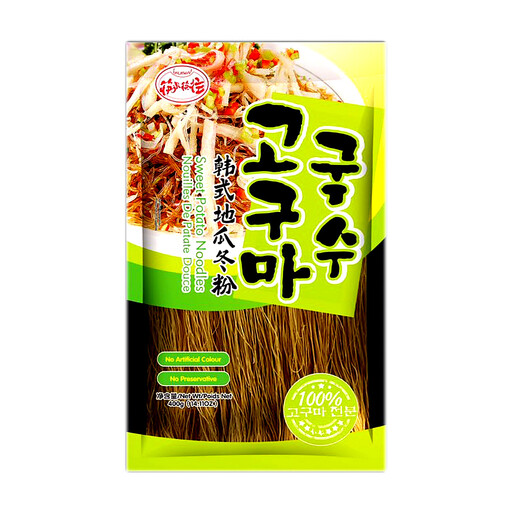
Why This Fits Their Persona: For the cook dedicated to recreating a specific dish with precision, such as the classic Korean noodle dish, Japchae. The texture of the noodle is paramount, and only sweet potato glass noodles will deliver the authentic result.
This directly counters the "One-Noodle-Fits-All" fallacy. Using these ensures you get the signature bouncy, chewy and glossy texture that rice or wheat noodles simply cannot replicate for Japchae, guaranteeing an authentic dish.
Made with 98% sweet potato starch for an authentic texture and appearance. They are also naturally gluten-free and versatile enough for hot pot, soups and salads.
We have compiled a complete, real-time list of products that fully satisfy these strict selection criteria and UK safety regulations.
The key is to rinse them with cold water immediately after boiling and draining. This washes off the excess surface starch that causes stickiness. If you are not using them right away, toss them with a small amount of neutral oil (like vegetable or sunflower oil) to keep the strands separated.
Both are made from rice flour and water, but the main difference is their shape and thickness. "Rice noodles" is a broad term, but often refers to the flat, ribbon-like noodles used in dishes like Pho or Pad Thai. "Rice vermicelli" specifically refers to the very thin, round strands, similar in shape to spaghetti but much more delicate.
No, they are not. While many popular types like those made from 100% rice, sweet potato starch or konjac are naturally gluten-free, you should always check the ingredients list. Some noodles, particularly certain types of Chinese egg noodles, ramen or udon, are made with wheat flour. Blended noodles may also contain wheat starch.