
24/7 Customer Support

Free returns

Same-day & Next-day Delivery

Quality Guaranteed

Unlock Your Welcome Offers: FREE Delivery | Up to 80% OFF | Free 30-day JoyPlus trial
Download the APP
Navigating the world of Asian noodles can feel overwhelming. You have a recipe for the perfect Vietnamese pho or a comforting bowl of Korean kalguksu, but a quick search online presents a dizzying array of options. Choosing the wrong type can lead to a disappointing meal, turning what should be a delightful culinary experience into a frustrating one. As the Joybuy Product Recommendation Officer, my role is to help you sidestep common purchasing mistakes and find the right noodles for your dish.
Many home cooks in the UK fall into a few common traps. Firstly, there's the "one-size-fits-all" noodle myth, where a generic "stir-fry" or "soup" noodle from a local supermarket is expected to work for every recipe, often resulting in a mushy or incorrect texture. Secondly, vague packaging instructions can be a minefield; the difference between soaking and boiling dried noodles isn't always clear, leading to either hard, undercooked strands or a disintegrated mess. Finally, the distinction between fresh noodles and their dried counterparts is often overlooked, yet it's crucial for achieving that authentic, restaurant-quality bite.
To ensure you get the texture and flavour your recipe deserves, focus on a few core parameters. This isn't about marketing hype; it's about the fundamental makeup of the noodle.
The primary ingredient dictates the noodle's behaviour when cooked. Understanding this is the first step to mastering your dish.
The form in which you buy your noodles significantly impacts cooking time and final texture.
The size and shape of the noodle are not just for aesthetics; they determine how the noodle interacts with other ingredients.
Instead of a generic list, we've matched specific noodles to the home cooks who will appreciate them most.

Why This Fits Their Persona: For those dedicated to recreating an authentic Korean Kalguksu (knife-cut noodle soup), these fresh-frozen wheat noodles are ideal. They deliver the specific chewy, hearty texture that generic noodles simply cannot replicate, bringing a genuine taste of Korean home cooking to your UK kitchen.
This product directly counters the "one-size-fits-all" pitfall. It is a specialised noodle designed for a specific dish, ensuring you achieve the correct texture and authenticity without guesswork.
Offers a just-made, springy texture thanks to flash-freezing. Cooks directly from the freezer in just 5 minutes, making it incredibly convenient for a quick, satisfying meal.
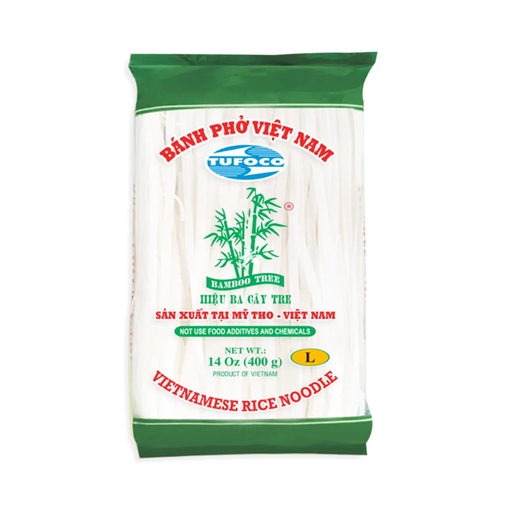
Why This Fits Their Persona: This home cook needs a reliable pantry staple for whipping up quick and delicious stir-fries. These 5mm wide rice noodles are perfect for dishes like Pad See Ew, as their broad surface area grabs onto sauce and they hold their shape under high heat, providing a satisfyingly chewy bite.
This avoids the "mushy noodle" trap. The specific width and rice flour composition are designed for stir-frying, ensuring the noodles remain distinct and pleasantly firm rather than breaking down in the wok.
Naturally gluten-free and versatile for soups or salads. The wider 5mm shape provides a more substantial texture compared to thinner vermicelli, making it a great all-rounder.
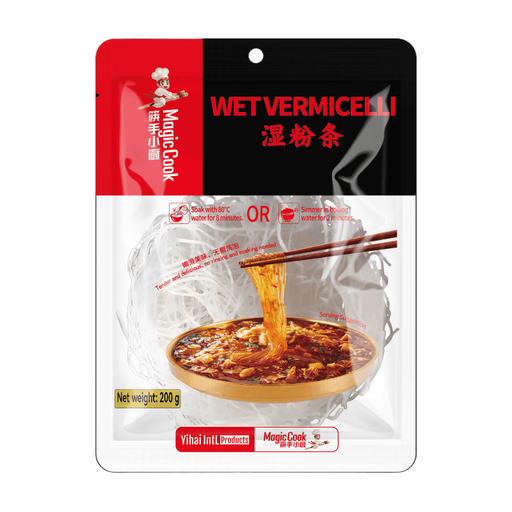
Why This Fits Their Persona: When hosting a hot pot night, you need ingredients that are easy to prepare and perform well in a communal simmering broth. These sweet potato starch vermicelli are classic hot pot noodles, known for their uniquely chewy, slippery texture and ability to soak up flavour without falling apart.
It sidesteps the preparation pitfall. As a pre-packaged fresh noodle, it requires no lengthy soaking. It also avoids the issue of noodles disintegrating in the broth, as its starch-based composition is designed for exactly this type of cooking.
The convenient fresh format saves time and effort. Its excellent soup absorption and resilient chewy texture make it a standout ingredient for hot pot, stews and spicy soups.
We have compiled a complete, real-time list of products that fully satisfy these strict selection criteria and UK safety regulations.
Here are answers to a few common questions UK home cooks have about Asian noodles.
The key difference is the core ingredient. Rice vermicelli is made from rice flour, which gives it an opaque white appearance and a soft texture when cooked. Glass noodles (also known as cellophane noodles) are made from a starch, such as mung bean or sweet potato starch. This makes them turn transparent, or "glassy," when cooked, and gives them a much chewier, more elastic texture.
This is a common issue, but easily solved. The stickiness comes from excess starch released during cooking. To prevent it, as soon as your rice noodles are cooked to your liking, drain them in a colander and immediately rinse them thoroughly under cold running water. This washes away the surface starch and stops the cooking process. For stir-fries, tossing the rinsed noodles with a teaspoon of neutral oil can provide extra insurance against clumping.
Many fresh noodles online in the UK are sold frozen and are designed to be cooked directly from the freezer. If you purchase refrigerated fresh noodles, check the packaging for storage advice. In many cases, you can freeze them to extend their shelf life. While there might be a slight change in texture upon thawing, it's a practical way to keep them on hand. For best results, follow the package instructions, which may advise cooking from frozen.