
24/7 Customer Support

Free returns

Same-day & Next-day Delivery

Quality Guaranteed

Unlock Your Welcome Offers: FREE Delivery | Up to 80% OFF | Free 30-day JoyPlus trial
Download the APP
As a Joybuy Product Recommendation Officer, my role is to help you navigate the crowded online marketplace. When it comes to authentic Asian noodles, the choice can be overwhelming. Moving beyond the standard supermarket aisle opens up a world of incredible textures and flavours, but it also presents a few common pitfalls that can lead to disappointing meals. Let's look at how to choose wisely and bring the true taste of East Asian cuisine to your kitchen.
Many home cooks find their homemade noodle dishes lack the satisfying chewiness or flavour of their favourite restaurant meals. This often comes down to selecting the right product. Here are a few frequent traps to avoid:
To ensure you get the right noodle for your dish, focus on a few key characteristics rather than just the marketing claims on the front of the pack.
The form of the noodle is your first clue to its intended use and final texture. Different shapes are engineered to perform differently in soups, stir-fries or salads.
For noodles named after a specific ingredient, the quantity matters. Always check the ingredient list for percentages. For buckwheat noodles, a higher percentage (look for 30% or more buckwheat flour) will yield a more authentic, robust flavour and a darker colour. Products with a low percentage are often just wheat noodles with a hint of buckwheat for marketing purposes.
Your choice between dried noodles and fresh frozen noodles depends on your needs for convenience and texture.
Here are a few recommendations from our catalogue, matched to different cooking needs and preferences.
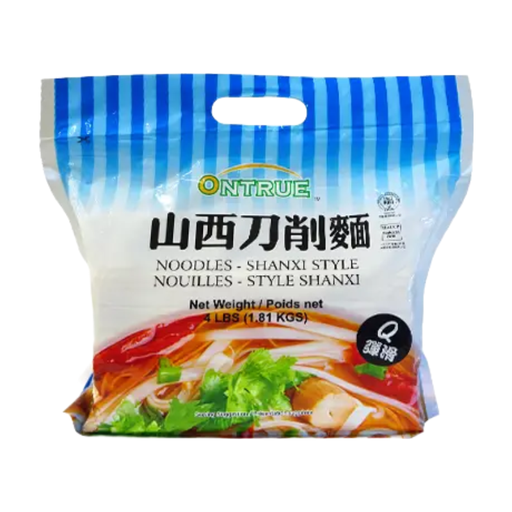
Why This Fits Their Persona: For the home cook dedicated to recreating authentic Northern Chinese dishes, these noodles deliver the specific texture required. The large family pack is ideal for those who cook with them regularly.
It sidesteps the "authentic style" ambiguity by providing a genuinely wide, thick noodle with a firm bite that mimics the traditional Shanxi texture, ensuring it doesn't turn to mush in hearty sauces.
The unique edge design helps the noodles grip more sauce, and the generous 1.81kg pack size offers great value for regular use.
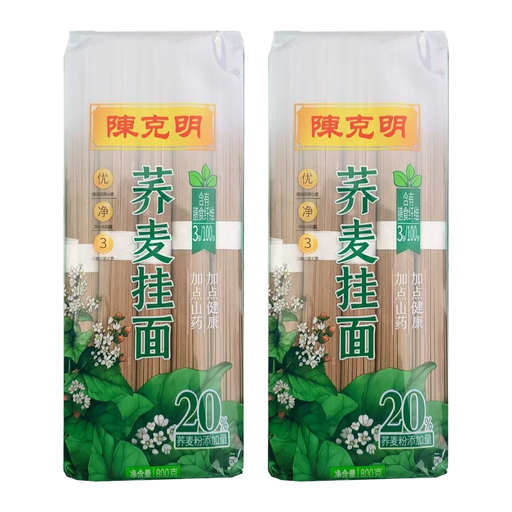
Why This Fits Their Persona: This is for someone who actively seeks out the nutritional benefits and distinct flavour of buckwheat. It's a great choice for making Japanese soba salads or wholesome noodle soups.
It avoids the vague ingredient trap by clearly stating it contains ≥50% buckwheat flour. This transparency ensures you are getting a product with genuine buckwheat flavour and nutritional properties.
The high buckwheat content provides a firm, non-sticky texture and a rich, nutty aroma. The addition of yam flour contributes to a smoother mouthfeel.
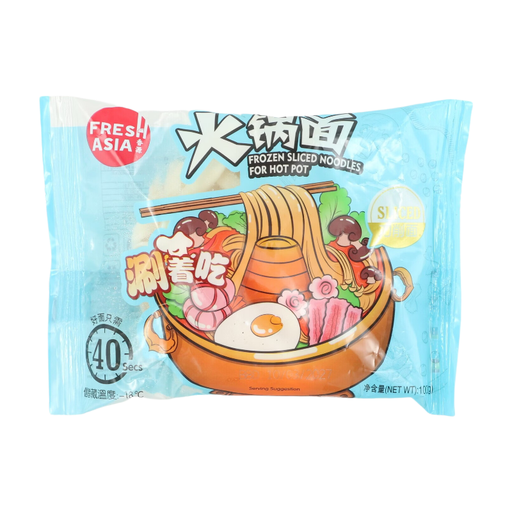
Why This Fits Their Persona: Perfect for anyone who loves hosting or attending hot pot gatherings. These noodles are designed for convenience and performance in a boiling broth, making them a reliable choice.
This product directly solves the "wrong noodle for the job" problem. It is specifically formulated to maintain a chewy and smooth texture, even after simmering in a hot pot, preventing it from disintegrating.
Extremely convenient, cooking directly from frozen in just 2-3 minutes. The single-serving 100g pack helps reduce food waste.
We have compiled a complete, real-time list of products that fully satisfy these strict selection criteria and UK safety regulations.
While there is huge variety within each country, a simple way to think about it is by their primary ingredient and texture. Many popular Chinese noodles (like knife-cut) are wheat-based and celebrated for their chewy, substantial texture. Japanese soba is famous for its use of buckwheat, giving it a nutty flavour and firm bite, often served cold. Many iconic Korean noodles (like Kalguksu) are prized for their fresh, springy and delightfully soft-chewy texture, often found in comforting soups.
The key is to use plenty of boiling water—more than you think you need. This gives the noodles room to move and washes away excess starch. Add the noodles to rapidly boiling water and stir them immediately and then occasionally throughout the cooking process. Once cooked, draining them and rinsing briefly under cold water (if the recipe allows) can also help remove surface starch and stop the cooking process.
It is not recommended. The best noodles for hot pot are those that can withstand prolonged time in boiling broth without becoming mushy. Look for noodles specifically marketed for hot pot, or choose thick, sturdy varieties like wide knife-cut noodles or sweet potato noodles. Delicate noodles like fine egg noodles or thin rice vermicelli will likely disintegrate.