
24/7 Customer Support

Free returns

Same-day & Next-day Delivery

Quality Guaranteed

Unlock Your Welcome Offers: FREE Delivery | Up to 80% OFF | Free 30-day JoyPlus trial
Download the APP
Navigating the world of Asian noodles can feel overwhelming. The shelves, both physical and virtual, are packed with options, from thick, chewy strands to delicate, fine threads. For UK home cooks, the challenge isn't just about choice; it's about avoiding common pitfalls that lead to disappointing meals. Many find themselves with noodles that turn to mush in a stir-fry or fail to absorb the flavour of a carefully prepared broth.
As the Joybuy Product Recommendation Officer, my role is to help you see past the marketing and make informed choices. Let's look at two frequent traps to sidestep when you buy noodles online UK.
To ensure you get the right product for your culinary creations, focus on a few core parameters instead of just the name on the packet.
The type of flour is the single most important factor determining a noodle's taste, texture and behaviour when cooked.
The form of the noodle is not just for aesthetics; it dictates how it interacts with sauces and broths.
To help you match the right noodle to your needs, here are a few recommendations based on common cooking styles and preferences.
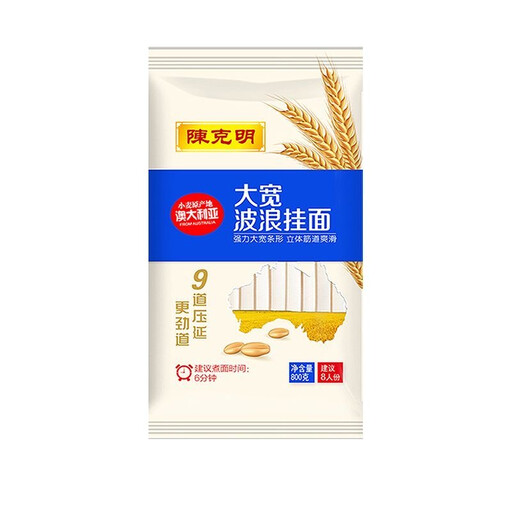
Why This Fits Their Persona: For anyone who loves making saucy stir-fries at home, these noodles are a game-changer. Their shape is specifically designed to perform well under the high heat and constant tossing of a wok, ensuring a satisfying dish every time.
Directly solves the "Texture Mismatch" pitfall. The wide, wavy design provides the durability needed for stir-frying and prevents the noodles from breaking apart or becoming mushy.
The unique wavy shape provides an excellent surface for sauces to cling to. The ingredient list is simple and straightforward: wheat flour, water, starch and salt.
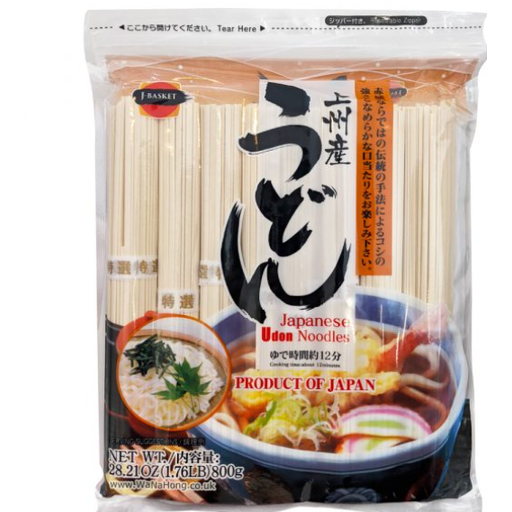
Why This Fits Their Persona: Ideal for those who love preparing Japanese noodle soups or hearty hot pots. These thick, long strands deliver the classic satisfyingly chewy texture that is the hallmark of a good bowl of udon.
This is a purpose-built noodle for broths. Its thickness prevents it from becoming waterlogged or mushy, perfectly avoiding the "Texture Mismatch" trap when used in soups.
Crafted from premium wheat flour for an authentic, satisfying chew. Highly versatile for classic udon soups, nabe hot pots, or even served cold with a dipping sauce.
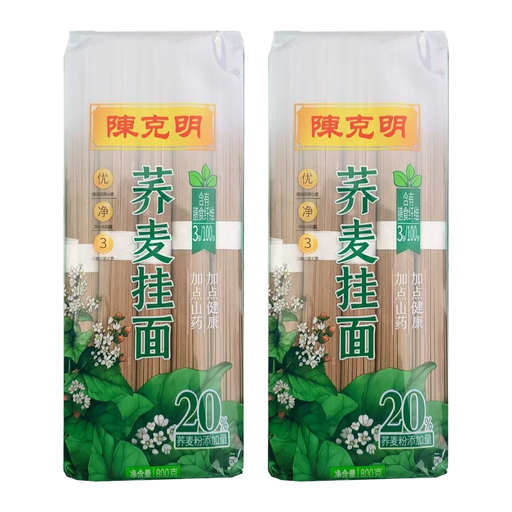
Why This Fits Their Persona: For the home cook seeking more than just a neutral base. These noodles bring their own nutty, earthy flavour to the dish, making them a great choice for cold noodle salads or simple broths where the noodle itself can shine.
This product counters the "Authentic Name Trap" by being transparent. It clearly states it contains ≥50% buckwheat flour, so you know you are getting a genuine buckwheat-forward product, not just a wheat noodle with a misleading name.
The high buckwheat content delivers a robust, nutty flavour. The addition of yam flour contributes to a firm and smooth texture that holds up well after cooking.
We have compiled a complete, real-time list of products that fully satisfy these strict selection criteria and UK safety regulations.
The primary difference lies in the flour used. Udon noodles are thick, soft and chewy noodles made from wheat flour. They have a neutral flavour and are prized for their texture. Soba noodles are made from buckwheat flour (or a blend of buckwheat and wheat) and are typically thinner and firmer, with a distinct nutty, earthy taste.
There are a few simple techniques. First, use a large pot with plenty of boiling water; crowding the pot is a common cause of sticking. Second, stir the noodles gently for the first minute or two of cooking to separate the strands. Finally, once cooked, if you are not serving them in a broth immediately, you can rinse them briefly under cold water to wash away excess surface starch. Tossing them with a small amount of oil can also help if they will be sitting for a while before being used in a stir-fry.
While you can technically use any noodle, some are much better suited for the task. The best noodles for stir fry are generally flat, wide and robust, as they can withstand the high heat and tossing without breaking. Wavy or crinkly noodles are also excellent choices because their texture helps to grip the sauce. Very thin or delicate noodles, like fine vermicelli, are more likely to clump or turn mushy and are better reserved for soups or salads.