
24/7 Customer Support

Free returns

Same-day & Next-day Delivery

Quality Guaranteed

Unlock Your Welcome Offers: FREE Delivery | Up to 80% OFF | Free 30-day JoyPlus trial
Download the APP
From a quick lunch at your desk to a comforting late-night meal, Asian noodles offer a world of flavour and convenience. Yet, the online marketplace is crowded, and it's easy to end up with a product that doesn't meet your expectations. As a Joybuy Product Recommendation Officer, my role is to help you navigate the options and find the right noodles for your pantry, without falling for common marketing tactics.
Before you add to your basket, be aware of a few common pitfalls:
To make a more informed choice, focus on these core parameters. They will tell you more about the product than any marketing slogan.
The base ingredient of the noodle itself is the foundation of your meal. The main types you'll encounter are:
Instead of looking for a generic "beef" or "chicken" flavour, seek out specific regional specialities. This is often a sign of a more carefully developed product. For example, scallion oil noodles from Shanghai offer a fragrant, savoury taste, while Sichuan-style spicy noodles are known for their distinctive numbing heat from Sichuan peppercorns. Check if the product includes multiple seasoning sachets—a separate oil, powder and vegetable packet often indicates a more layered and complex flavour.
Consider how you plan to use the noodles.
Based on these practical criteria, here are a few recommendations matched to different needs and preferences.
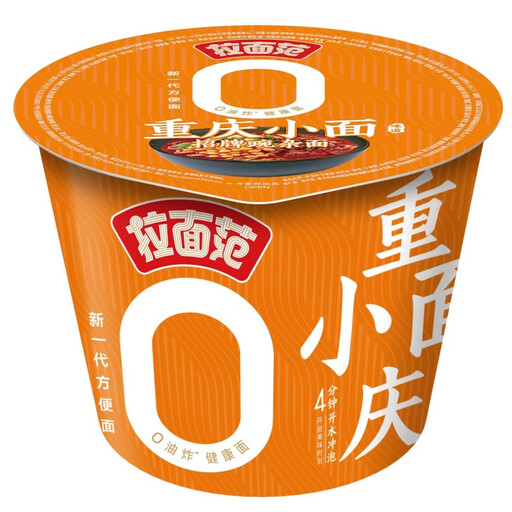
Why This Fits Their Persona: This is the perfect solution for a quick and flavourful meal with minimal effort. The cup format means no extra washing up, and it's ready in just 4 minutes with boiling water, making it ideal for a short lunch break or a late-night study session in a UK dorm.
Instead of a generic "spicy" label, it specifies its "Chongqing" origin, known for its bold, numbing spice. The inclusion of a separate pea sachet adds texture and authenticity, moving beyond a simple powder-and-noodle combination.
Features a non-fried noodle cake for a chewier, less greasy texture. The all-in-one cup design offers maximum convenience.
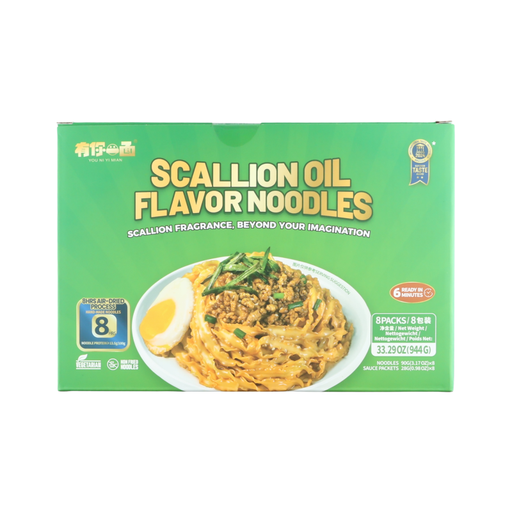
Why This Fits Their Persona: For those who enjoy cooking but still want a quick meal, this multipack is ideal. It provides a high-quality base that can be customised with fresh vegetables, a fried egg or protein, allowing the home cook to create a restaurant-style dish in under 10 minutes.
This product clearly states it uses semi-dried fresh noodles, not fried ones, setting an accurate expectation for a superior, springy texture. The flavour is the classic and specific Shanghai-style scallion oil, not a generic "oriental" flavour.
The non-fried noodles offer a smoother, more authentic mouthfeel. The 8-pack format provides excellent value for stocking the pantry.
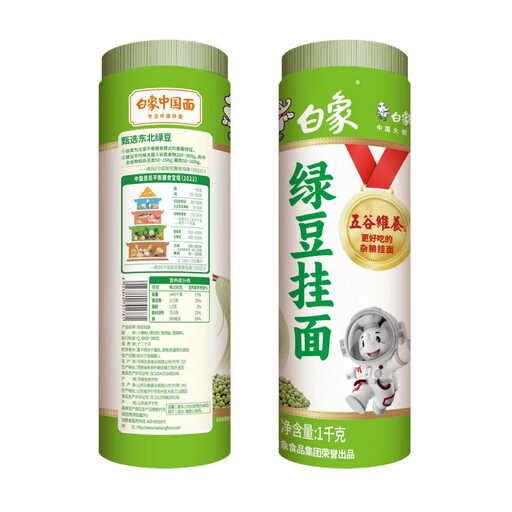
Why This Fits Their Persona: This is a versatile pantry staple for those who prefer to build their meals from scratch with simpler ingredients. The blend of wheat and mung bean flour offers a different nutritional profile and texture, and the large 1kg pack is perfect for regular use in soups, stir-fries or salads.
It sidesteps the flavour trap entirely by being an unseasoned noodle, giving you full control. The ingredient list is short and transparent: wheat flour, water, mung bean flour and salt. There are no hidden additives or complex seasonings to decipher.
A versatile, dried noodle with a refreshing taste and light texture. The addition of mung bean flour provides a pleasant aroma and unique character.
Some of the most interesting developments in noodles involve incorporating vegetable powders directly into the dough. This adds natural colour and subtle flavour notes. You can find noodles made with spinach, green tea and other wholesome ingredients.
We have compiled a complete, real-time list of products that fully satisfy these strict selection criteria and UK safety regulations.
The main difference is the drying method. Fried instant noodles are flash-fried in oil, which removes moisture and pre-cooks them, allowing them to be prepared with just boiling water. This process gives them a distinct texture and flavour but also a higher fat content. Non-fried instant noodles are typically air-dried over a longer period. They often have a smoother, chewier texture, closer to fresh noodles and a lower fat content. They usually require a few minutes of boiling on a stovetop or in a portable noodle cooker.
There are many simple ways to elevate a basic packet of noodles. Try adding a soft-boiled egg, some blanched greens like pak choi, or leftover cooked meat. A drizzle of sesame oil, a spoonful of chilli crisp, or a sprinkle of fresh spring onions can also transform the flavour and texture, turning a simple snack into a more substantial meal.
"Healthier" depends on your dietary needs. Rice noodles are typically made from just rice and water, making them naturally gluten-free and a great choice for individuals with coeliac disease or gluten sensitivity. In terms of calories and carbohydrates, they are often very similar to wheat noodles. Wheat noodles, on the other hand, usually contain more protein and fibre. The choice between them should be based on your dietary goals and texture preferences.