
24/7 Customer Support

Free returns

Same-day & Next-day Delivery

Quality Guaranteed

Unlock Your Welcome Offers: FREE Delivery | Up to 80% OFF | Free 30-day JoyPlus trial
Download the APP
The world of Asian noodles is vast and delicious, offering everything from a quick, comforting lunch to the foundation of an elaborate home-cooked meal. However, with so many options available online, it is easy to feel overwhelmed or, worse, end up with a product that disappoints. Many UK shoppers find themselves with noodles that promise authentic flavour but deliver a one-dimensional, overly salty broth, or have a texture that turns to mush within minutes.
As the Joybuy Product Recommendation Officer, my role is to help you navigate the market and find the right products for your needs. This guide will break down the common pitfalls and highlight the key factors to consider, ensuring your next bowl of noodles is exactly what you were hoping for.
When you buy instant noodles in the UK, it is easy to be swayed by flashy packaging. Here are three common issues that can lead to a disappointing purchase.
To avoid the pitfalls, focus on these three core parameters before you add any Asian noodles to your basket.
The world of noodles is incredibly diverse. Understanding the main types will help you find the texture you prefer.
Look past the main flavour name on the packet and check the ingredient list or description for clues to its authenticity. For a good Korean ramen, you might look for ingredients like gochujang (chilli paste) or doenjang (soybean paste). For intensely spicy noodles from regions like Chongqing, the presence of both chilli and Sichuan peppercorn is a good sign. The number of sachets is also a strong indicator of quality; look for kits that include separate oil, vegetable and sauce packets.
Consider how and when you plan to eat your noodles.
Based on these criteria, here are a few recommendations tailored to different needs and preferences.
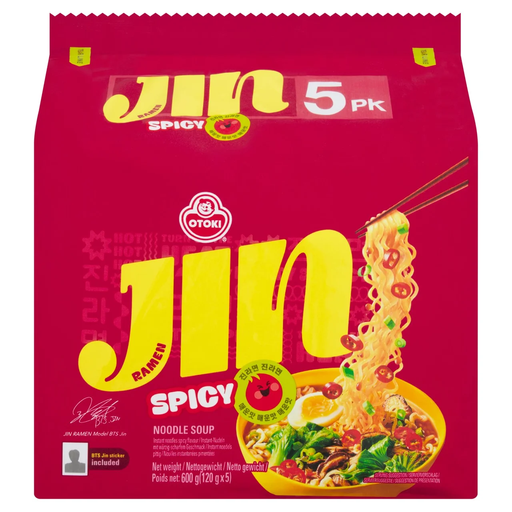
Why This Fits Their Persona: This is a classic Korean ramen that delivers a satisfying and flavourful meal in under 5 minutes. The multipack format is perfect for stocking a dorm or office pantry for reliable, quick lunches that are a step up from basic supermarket options.
The noodles have a consistently chewy texture that holds up well in the broth, avoiding the mushiness pitfall. The flavour is a well-balanced, savoury spice, not just a blast of salt.
Includes a dehydrated vegetable mix for added texture. The spice level is enjoyable without being overwhelming, making it a great all-rounder.
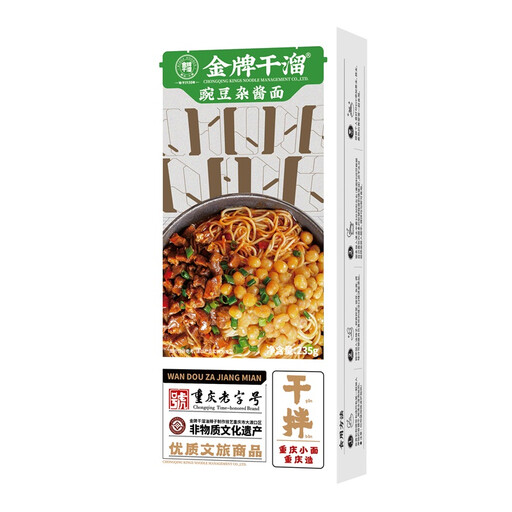
Why This Fits Their Persona: This isn't just noodles in soup; it's a complete kit to assemble an authentic Chongqing dish. It's for the person who wants to experience a specific, regional Chinese flavour profile at home without starting from scratch.
It completely avoids the "minimalist kit" pitfall by providing separate sachets for pea sauce, pork sauce and chilli oil. This allows for a complex, layered "mala" (numbing and spicy) flavour that is true to its origins.
Recreates a specific, well-known dish (Wan Dou Za Jiang Mian). The inclusion of Sichuan peppercorn provides an authentic numbing sensation.
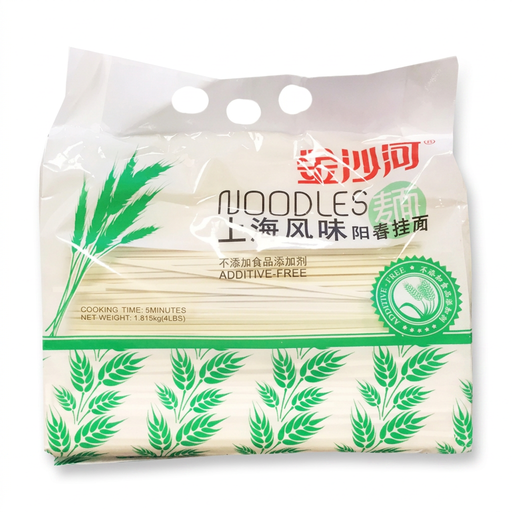
Why This Fits Their Persona: This is for the person who loves noodles but wants full control over the final dish. This large pack of high-quality plain noodles is a blank canvas, perfect for making everything from a simple noodle soup with scallions and soy sauce to a complex stir-fry.
By being just noodles, it sidesteps the "inauthentic flavour" trap entirely. You control the salt, spice and all other ingredients. The noodles themselves are designed to resist overcooking and maintain a smooth, chewy bite.
Extremely versatile for soups, tossed noodles and stir-fries. The large 1.8kg pack offers excellent value for money for regular use.
We have compiled a complete, real-time list of products that fully satisfy these strict selection criteria and UK safety regulations.
How can I make instant noodles more interesting? The easiest way to elevate a bowl of instant noodles is by adding fresh ingredients. A soft-boiled egg, some chopped spring onions, wilted pak choi or a few slices of leftover roast chicken or pork can transform a simple snack into a more substantial and nutritious meal. A drizzle of sesame oil or chilli oil at the end also adds a great layer of flavour.
What is the difference between ramen, pho, and vermicelli? The main difference lies in the noodle itself. Ramen are Japanese-style noodles made from wheat, known for their chewy texture and often served in a rich, savoury broth. Pho uses flat, wide rice noodles in a light but aromatic Vietnamese broth. Vermicelli noodles are very thin, round rice noodles used across Asia in soups, salads and fresh spring rolls.
Are multipack noodles better value? In most cases, yes. Buying a multipack of your favourite instant noodles, such as the Ottogi Jin Ramen, significantly lowers the cost per serving compared to buying individual packets. It is also a convenient way to ensure your pantry is always stocked for a quick and easy meal.