
24/7 Customer Support

Free returns

Same-day & Next-day Delivery

Quality Guaranteed

Unlock Your Welcome Offers: FREE Delivery | Up to 80% OFF | Free 30-day JoyPlus trial
Download the APP
Navigating the world of Asian noodles can feel overwhelming. You have a recipe for a perfect Pad Thai or a comforting bowl of Pho, but the supermarket aisle presents a wall of options, all looking deceptively similar. Many UK home cooks find themselves disappointed when their carefully planned meal ends with mushy, broken or flavourless results. This often isn't due to cooking skill, but to common purchasing pitfalls.
As the Joybuy Product Recommendation Officer, my role is to help you see past the confusing packaging and select the right product for your dish. Let's look at the frequent traps that lead to wasted money and kitchen frustration.
To ensure you get the authentic texture and flavour your recipe deserves, focus on two non-negotiable parameters: the core material and the noodle's dimensions.
The base ingredient dictates the noodle's texture, cooking properties and suitability for different diets.
The width of the noodle is just as important as its material. It is usually specified in millimetres (mm) on the packet.
Instead of a generic list, we've matched specific noodles to the cooks who will appreciate them most.
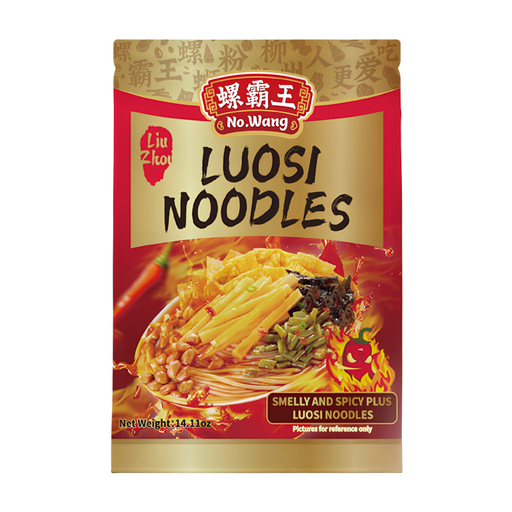
Why This Fits Their Persona: For the home cook who has moved beyond Pad Thai and wants a truly authentic, challenging flavour experience. This is a complete meal kit for Liuzhou's famous Luosifen (river snail noodles), known for its powerful, pungent and spicy broth.
This is a purpose-built kit, completely sidestepping the "one-noodle-fits-all" myth. It provides the correct type of chewy rice noodle and all the specific toppings and soup base needed for one particular dish.
Includes everything for a complete, deeply flavourful meal: noodles, rich soup base, chilli oil, peanuts and pickled toppings. It's an authentic taste of Liuzhou in one box.
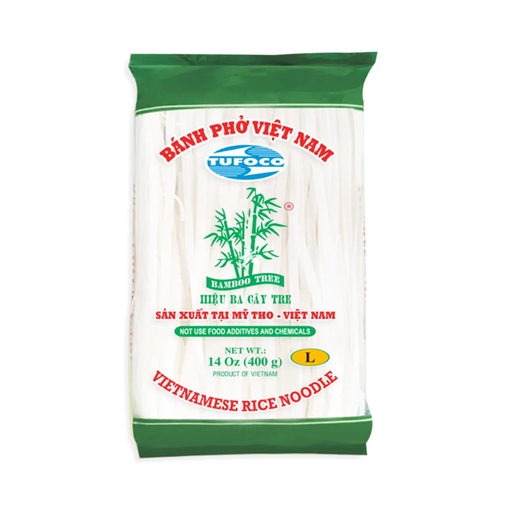
Why This Fits Their Persona: This is the reliable workhorse for a busy UK kitchen. The 5mm width is the perfect middle-ground, sturdy enough for a quick stir-fry but also excellent in brothy soups. It's a dependable pantry staple for quick, satisfying meals.
The clearly stated 5mm width prevents the "wrong thickness" pitfall. You know you are getting a substantial noodle, not a fine vermicelli. The simple ingredient list (rice flour, water) means no surprises.
Highly versatile for both soups and stir-fries. It's naturally gluten-free and quick to prepare, making it ideal for fast weeknight dinners.
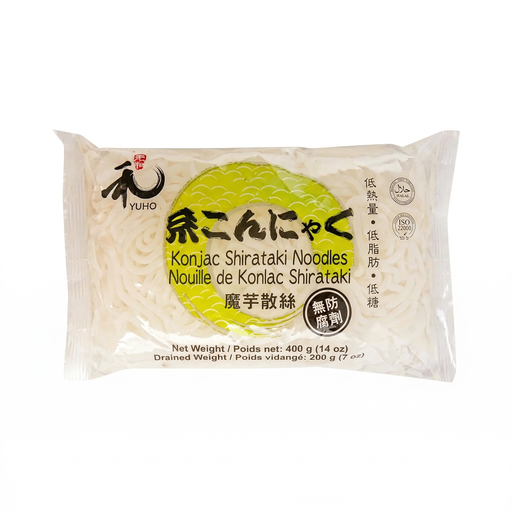
Why This Fits Their Persona: Perfect for anyone focused on health, managing their weight or following a low-carb diet. These konjac noodles are exceptionally low in calories and high in dietary fibre, offering a satisfying chew without the carbohydrate load of traditional noodles.
Its purpose is clear and its ingredient list is minimal (Konjac Flour, Water). This avoids the trap of hidden starches or unexpected ingredients, delivering exactly what a health-focused consumer is looking for.
Extremely low calorie count (only 12 kcal per 100g). They are also high in fibre, gluten-free and absorb the flavours of broths and sauces very well.
We have compiled a complete, real-time list of products that fully satisfy these strict selection criteria and UK safety regulations.
The most common mistake is overcooking. For many dried rice noodles, a simple soak in hot (not boiling) water for the time specified on the packet is enough. If you must boil them, do so for only a few minutes until they are al dente (tender with a slight bite). Immediately drain them and rinse thoroughly under cold running water. This halts the cooking process and washes away the excess surface starch that causes stickiness. Tossing them with a small amount of neutral oil can also help keep the strands separate.
It primarily comes down to shape and thickness. "Rice noodles" is a general term that often refers to the flat, ribbon-like strands used in dishes like Pho or Pad Thai, which come in various widths (3mm, 5mm, 10mm). In contrast, rice vermicelli specifically describes the very thin, round, spaghetti-like strands. These are much more delicate and are the classic choice for Vietnamese noodle salads (bún), fresh summer rolls and Singapore-style stir-fried noodles.
While many Asian noodles are naturally gluten-free, you cannot assume they all are. Noodles made from 100% rice noodles, sweet potato noodles or konjac noodles are excellent gluten-free choices. However, you must always check the ingredient list carefully before you buy Asian noodles online UK. Some products, especially certain varieties of Chinese egg noodles or Korean noodles, may contain wheat flour or wheat starch. Always verify the allergen information on the packaging.