
24/7 Customer Support

Free returns

Same-day & Next-day Delivery

Quality Guaranteed

Unlock Your Welcome Offers: FREE Delivery | Up to 80% OFF | Free 30-day JoyPlus trial
Download the APP
Navigating the noodle aisle can feel overwhelming. With shelves packed with packets of all shapes and sizes, it is easy to grab the wrong type and end up with a disappointing meal. Whether you are aiming for a comforting bowl of ph? or a quick stir-fry, the right noodle is the foundation of your dish. As the Joybuy Product Recommendation Officer, my role is to help you understand the key differences so you can choose with confidence.
Many home cooks in the UK fall into a few common traps when buying Asian noodles. Understanding these can save you from a culinary mishap.
To avoid these pitfalls, focus on two core parameters: the base ingredient and the noodle's shape. This will ensure you get the perfect foundation for your dish every time.
The primary ingredient dictates the noodle's character—how it cooks, feels and tastes.
The form of the noodle is not just for appearance; it determines how it interacts with other ingredients.
To make your choice easier, here are a few recommendations matched to different cooking needs and preferences.
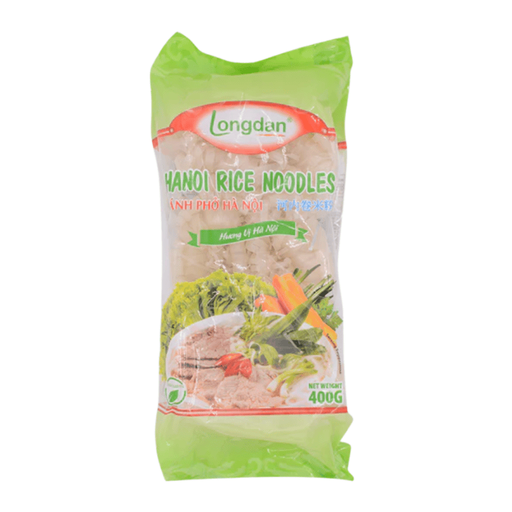
Why This Fits Their Persona: For the home cook dedicated to recreating an authentic Vietnamese beef noodle soup (ph? bò), these noodles are specifically designed for the task. Their clean flavour, derived from just rice and water, allows the rich broth to be the star of the show.
This directly avoids the "mismatched noodle" pitfall. As authentic “bánh ph? hà n?i”, they are crafted to maintain a tender yet resilient bite in hot soup, unlike other noodles that might go mushy.
The rolled format helps keep the strands intact, reducing breakage. It is also naturally gluten-free and vegan.
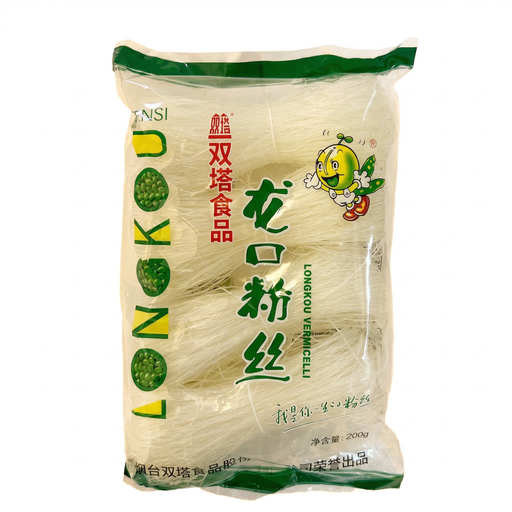
Why This Fits Their Persona: For the adventurous cook who enjoys making everything from Chinese hot pot and cold salads to Korean Japchae. These glass noodles are a true kitchen workhorse, absorbing the flavours of any dish they are added to.
This product clears up the "vermicelli" confusion and the "starch source" pitfall. It is authentic Longkou vermicelli made from pure mung beans, ensuring a superior crystal-clear appearance and chewy texture.
Extremely versatile for hot and cold dishes. The noodles remain supple and do not break easily, even after prolonged cooking.
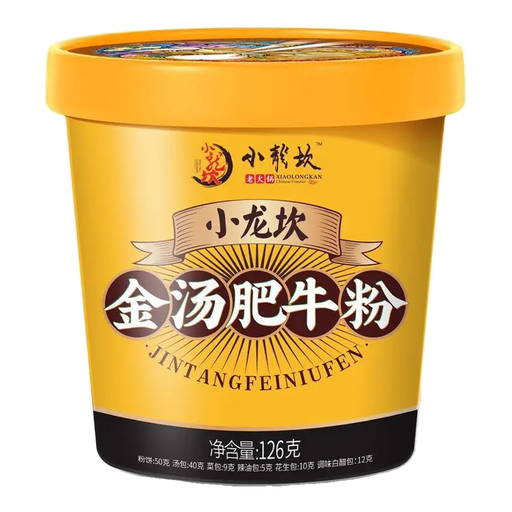
Why This Fits Their Persona: Perfect for students, busy professionals, or anyone needing a flavourful and satisfying meal in minutes. This is the ultimate convenience without sacrificing a complex taste profile.
This product bypasses the need to pair ingredients. It is a complete instant noodles kit, providing the noodles, soup base, vegetables and even peanuts for texture, ensuring a well-rounded meal.
Ready in 5-6 minutes with just boiling water. It features a rich, tangy and savoury "Golden Soup" flavour with multiple seasoning packets for a layered taste experience.
We have compiled a complete, real-time list of products that fully satisfy these strict selection criteria and UK safety regulations.
What is the difference between rice vermicelli and glass noodles? The main difference is the ingredient. Rice vermicelli is made from rice flour, which results in an opaque white noodle with a soft, tender texture when cooked. Glass noodles, such as Longkou vermicelli, are made from starch (like mung bean or sweet potato). They cook to a translucent, almost clear appearance and have a distinctly chewy, slippery and more elastic texture.
How do I stop my noodles from sticking together after cooking? A simple and effective method is to rinse the noodles under cold running water immediately after draining them. This removes excess surface starch that causes clumping. If you are preparing them for a salad or a stir-fry that will be cooked later, tossing them with a teaspoon of oil (such as sesame or a neutral vegetable oil) will also help keep the strands separate.
Are all Asian noodles gluten-free? No, they are not. While many are, it is crucial to check the ingredients. Noodles made from 100% rice flour, mung bean starch, sweet potato starch, or tapioca starch are naturally gluten-free noodles. However, many popular varieties like ramen, udon, and most dry Chinese noodles are wheat-based and contain gluten. Always verify the packaging if you have a dietary requirement.