
24/7 Customer Support

Free returns

Same-day & Next-day Delivery

Quality Guaranteed

Unlock Your Welcome Offers: FREE Delivery | Up to 80% OFF | Free 30-day JoyPlus trial
Download the APP
Buying Asian noodles online can seem straightforward until the packet arrives and the strands are too delicate for a stir-fry, turn mushy in soup or contain an unexpected allergen. UK shoppers also face confusing terms such as rice vermicelli, rice noodles, glass noodles and rice sticks, which are not always interchangeable.
This guide explains the practical differences, highlights common buying pitfalls and matches a selection of noodles to specific cooking habits.
“Vermicelli” describes a fine noodle shape, not one single ingredient. Rice vermicelli is usually made with rice flour and water, while glass noodles may use mung bean, pea, wheat or other starches. Their soaking times and finished textures can differ considerably.
A noodle suitable for spring rolls may be too fragile for prolonged simmering. Conversely, a firm sweet potato noodle can overpower a delicate cold salad.
Product names such as Vietnamese rice noodles, Chinese rice noodles or Guilin rice noodles provide useful culinary context, but width is equally important. Fine strands around 0.8–1.5mm are well suited to spring rolls, noodle salads and light broths. Wider noodles around 3–10mm offer more chew and are better suited to stir-fries, hearty soups and dishes such as pho or flat noodle preparations.
Rice-based noodles are often suitable for vegan diets, but this should be confirmed on the product label rather than assumed. Some products include salt, tapioca starch, soya bean oil or other ingredients. Glass noodles may also contain wheat starch, so they are not automatically gluten-free.
For gluten-free diets, check the full ingredient list and allergen declaration. A product made mainly from rice or mung beans may still be unsuitable if there is a wheat-containing formulation or relevant cross-contact warning.
The starch determines texture and potential dietary use:
Look for a short ingredient list if you want a straightforward pantry staple. For example, the HHSD Longkou Vermicelli 300g lists pea starch and water, while Shuangta Longkou Green Bean Vermicelli lists mung beans and water.
Use noodle width as a practical guide:
Descriptions such as “smooth”, “springy” and “translucent” indicate likely eating characteristics, but cooking instructions remain the deciding factor.
Dried Asian noodles may require soaking, boiling or both. Preparation times in the available products range from around 3 minutes of boiling to 20–30 minutes of soaking, depending on the noodle type and thickness.
A 400g pack is practical for regular family cooking or meal preparation. Smaller 140g packs, such as the Jian Shu Sichuan Sweet Potato Vermicelli, can be convenient for individual hot pot meals, while a 750g pack may suit households that cook noodles frequently.
Do not eat dried noodles raw unless the packaging specifically says they are ready to eat. Drain and rinse rice vermicelli after cooking where instructed; this can help reduce sticking and improve texture.
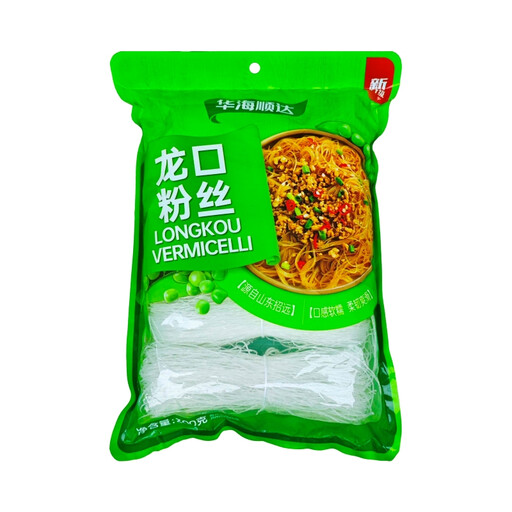
Why This Fits Their Persona: A manageable 300g pack for trying glass noodles in home-cooked soups, stir-fries or steamed dishes without committing to a large quantity.
The ingredient list is clearly stated as pea starch and water, helping shoppers distinguish it from wheat-based glass noodles.
Boils in around 3 minutes and can be rinsed before adding vegetables or other ingredients.
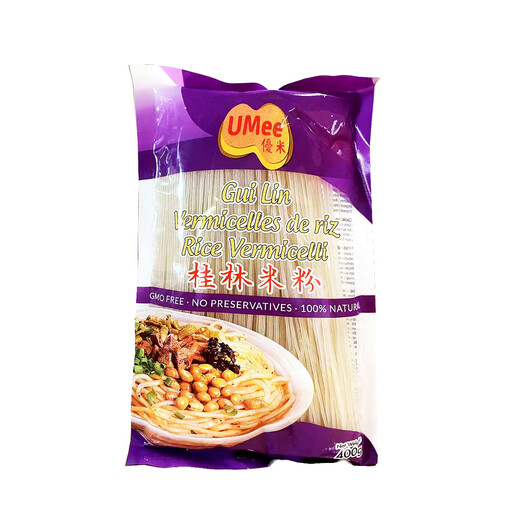
Why This Fits Their Persona: Suitable for cooks who want a named regional style with a smooth, springy texture for noodle soups, bowls and stir-fries.
The pack gives a specific soak-and-boil method rather than relying only on broad claims about versatility.
Made with rice and water; the 400g pack is suitable for repeated home cooking.
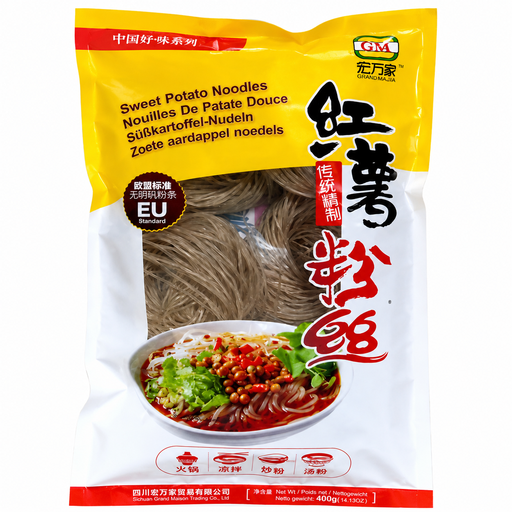
Why This Fits Their Persona: A practical choice for regular hot pot meals, spicy soups and braised dishes where noodles need to remain firm during cooking.
Its starch base and soak-before-cooking instructions make its firmer texture more predictable than fine rice vermicelli.
Contains 98% sweet potato starch and is supplied in a 400g pack for frequent use.
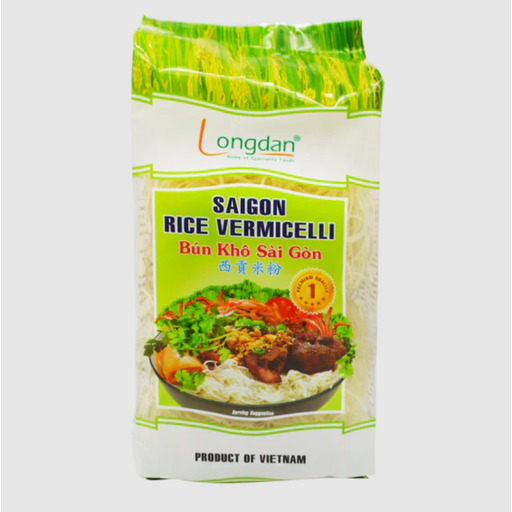
Why This Fits Their Persona: A 1mm noodle for Vietnamese bowls, fresh summer rolls, spring rolls, salads, soups and quick stir-fries.
The listed ingredients are rice and water, with no declared allergens; always verify the current packaging before eating.
Soaks in warm water for about 20 minutes, then drains and rinses for cold dishes or further cooking.
We have compiled a complete, real-time list of products that fully satisfy these strict selection criteria and UK safety regulations.
Some are, but not all. Rice noodles, rice vermicelli and mung bean vermicelli may be made without wheat, while glass noodles can contain wheat starch. Check the full ingredient and allergen information, and look for suitable packaging or certification if you require strict gluten avoidance.
For a delicate stir-fry, choose fine rice vermicelli. 3mm rice noodles offer a more substantial texture, while 10mm noodles are suited to broad, hearty preparations. Sweet potato noodles can also be stir-fried when you want a chewy result.
Unopened dried noodles generally have a long ambient shelf life, but the precise date is printed on the packaging. Store them in a cool, dry cupboard and check for damage, moisture, unusual odour or discolouration before use. Once cooked, refrigerate promptly and consume according to standard food-safety practice.