
24/7 Customer Support

Free returns

Same-day & Next-day Delivery

Quality Guaranteed

Unlock Your Welcome Offers: FREE Delivery | Up to 80% OFF | Free 30-day JoyPlus trial
Download the APP
As a Joybuy Product Recommendation Officer, I see a common pattern among UK home cooks exploring Asian cuisine: frustration. You follow a recipe meticulously, but the final dish lacks the vibrant, authentic flavour you remember from your favourite restaurant or a trip abroad. Often, the culprit isn't your cooking technique—it's the ingredients sitting in your pantry.
Stocking your kitchen with genuine Asian pantry staples can feel like navigating a minefield of marketing claims and confusing labels. Many products available in local supermarkets are not what they seem, leading to wasted money and disappointing meals. Before you buy another bottle, be aware of these common pitfalls:
To ensure you are buying high-quality, authentic world food ingredients, focus on a few core parameters rather than flashy packaging. These details are the true indicators of a product that will deliver genuine flavour.
The deep, complex and savoury flavour known as umami is the backbone of many Asian cuisines. In high-quality condiments, this flavour is developed through natural fermentation.
Do not treat all sauces as interchangeable. Understanding the specific role of a condiment is key to recreating authentic dishes.
Beyond the main sauces, a well-stocked pantry includes key umami seasonings. These are the secret weapons for adding that final touch of savoury depth.
To help you choose with confidence, we have matched some reliable pantry staples to different types of home cooks. These selections are based on their authentic flavour profiles, versatility and ability to avoid the common purchasing traps.
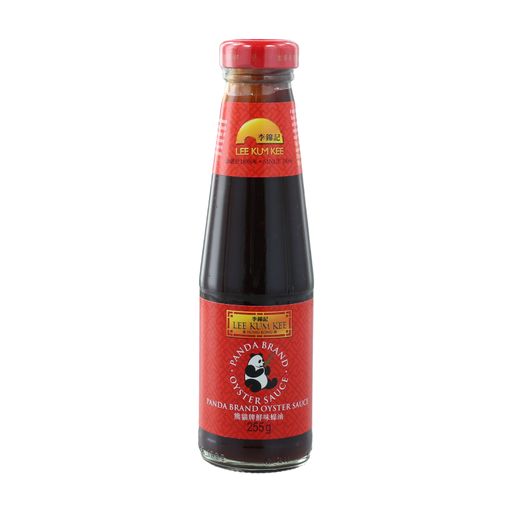
Why This Fits Their Persona: This is a perfect starting point for anyone new to Chinese cooking. It is an incredibly versatile stir-fry sauce base that can be used for everything from glazing vegetables like broccoli to marinating chicken, removing the guesswork of building a savoury foundation.
It avoids the "one-size-fits-all" myth by being a specific, traditional condiment (Chinese oyster sauce) rather than a generic "Asian" sauce. Its flavour is distinct and authentic to its purpose.
Provides a reliable and balanced sweet-savoury flavour. Made from oyster extracts, it adds a genuine umami depth that simple soy and sugar mixtures lack.
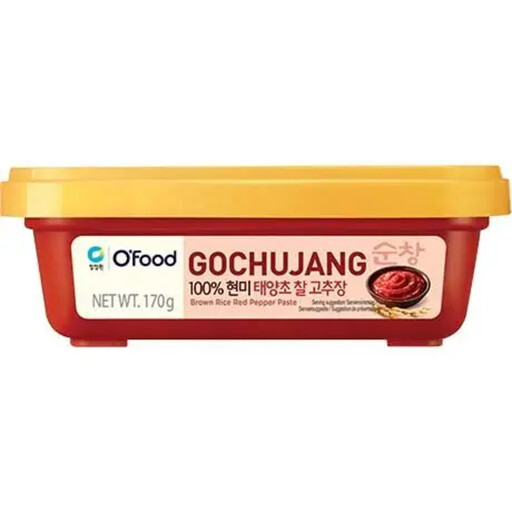
Why This Fits Their Persona: For anyone serious about cooking authentic Korean food, Korean gochujang is non-negotiable. This paste is essential for making classics like tteokbokki (spicy rice cakes), bibimbap sauce, or spicy marinades for meat.
This directly counters the "authenticity trap." It is a genuine fermented product from Korea, not a simple "spicy ketchup" or generic chilli sauce. Its flavour is complex, not just hot.
Delivers the signature spicy, savoury and slightly sweet flavour profile from its fermented soybean and red chilli powder base. It provides both heat and a deep umami foundation.

Why This Fits Their Persona: This iconic Japanese mayonnaise is a simple way to add a new dimension to everyday UK meals. It's richer and tangier than standard mayonnaise, making it a fantastic upgrade for sandwiches, salads or as a dip for chips.
This is a specific, culturally significant condiment, not a generic product. Its unique production method (using only egg yolks) sets it apart from the standard mayonnaise found in supermarkets.
The use of only egg yolks creates a noticeably richer, more luxurious texture. The specific vinegar blend provides a distinct umami tang that elevates simple foods.
We have compiled a complete, real-time list of products that fully satisfy these strict selection criteria and UK safety regulations.
This is a common point of confusion for those building their Asian pantry staples. Light soy sauce (or 'all-purpose' soy sauce) is thinner, lighter in colour and saltier. It is primarily used for seasoning during cooking without significantly darkening the dish. Dark soy sauce is aged longer, often with molasses or caramel, making it thicker, darker and less salty but with a richer, slightly sweeter flavour. It is used mainly for adding colour and a robust flavour to dishes like red-braised pork or marinades.
Most authentic Asian condiments like soy sauce, fish sauce, and gochujang have a long shelf life due to their high salt content and fermentation process. While they may not "spoil" quickly at room temperature, it is generally recommended to refrigerate them after opening. This helps to preserve their intended flavour, colour and aroma for much longer. Always check the storage instructions on the packaging.
The pungent aroma of Thai fish sauce can be intimidating, but it is a cornerstone of Southeast Asian cooking for a reason. When used in cooking, the strong smell dissipates and transforms into a deep, savoury umami flavour that salt alone cannot replicate. It is the key to balancing the sweet, sour and spicy elements in Thai and Vietnamese dishes. You only need a small amount to achieve this effect, and it is an irreplaceable ingredient for authentic flavour.