
24/7 Customer Support

Free returns

Same-day & Next-day Delivery

Quality Guaranteed

Unlock Your Welcome Offers: FREE Delivery | Up to 80% OFF | Free 30-day JoyPlus trial
Download the APP
For many UK home cooks, the journey into East Asian cuisine starts with an exciting recipe but often hits a snag at the shopping stage. Navigating the world of Asian pantry staples can be confusing. You might find yourself staring at a wall of similar-looking jars, wondering which one holds the key to that authentic flavour you crave. It's easy to end up with a product that doesn't quite deliver, leading to disappointing meals and a feeling of wasted money.
As the Joybuy Product Recommendation Officer, my role is to help you sidestep these common issues. Let's look at a few frequent pitfalls when you set out to buy Asian groceries in the UK and how to stock your cupboards with confidence.
To avoid these traps, it helps to understand a few key parameters. Focusing on these details ensures you get the right product for the right purpose, every time.
Many iconic Chinese dishes, particularly from Sichuan, get their deep, savoury soul from a fermented broad bean paste called doubanjiang.
Understanding the form of the bean curd product is crucial for getting the texture right in your dish.
A good Chinese chilli oil is a condiment, not just a source of spice. It adds aroma, texture and umami.
Here are a few standout Asian cooking ingredients, matched to different types of home cooks.
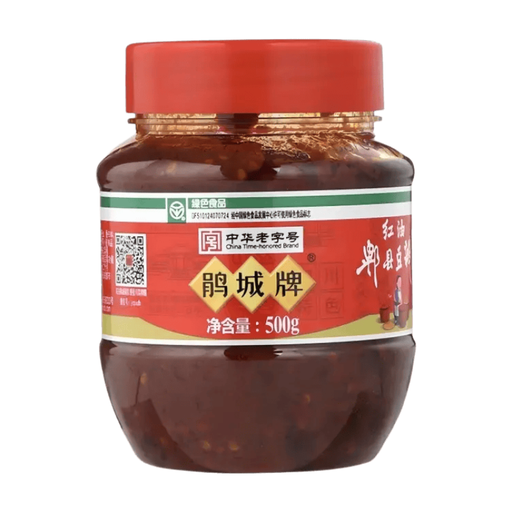
Why This Fits Their Persona: For the cook determined to make authentic Mapo Tofu or Twice-Cooked Pork, this is the foundational ingredient. It provides the genuine, complex flavour that simply cannot be substituted.
This isn't a generic "Sichuan-style" sauce. It's an authentic Pixian bean paste, certified as an intangible cultural heritage product, ensuring you get the real, deeply fermented flavour.
Features a bright red oil that blooms beautifully when sautéed. It's the essential condiment for a wide range of classic Sichuan dishes.

Why This Fits Their Persona: Perfect for the busy UK home cook who wants to add instant, complex flavour to noodles, eggs, rice or even just a slice of toast. It's a globally recognised "pantry hero" for a reason.
This sidesteps the chilli oil confusion. It's not just heat; the fermented black beans (douchi) provide a massive umami and savoury depth that elevates simple meals instantly.
Delivers a complex taste profile: spicy, salty and savoury. It's ready to use straight from the jar as a versatile condiment or cooking ingredient.
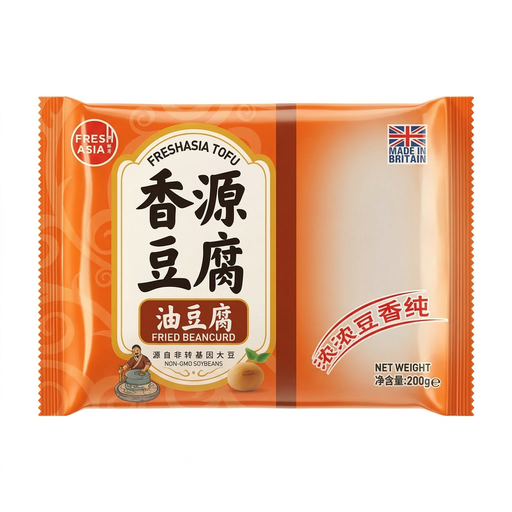
Why This Fits Their Persona: Anyone who loves a good hot pot or a rich, brothy stew knows the joy of a flavour-soaked tofu puff. This product is made specifically for that purpose.
This directly solves the "tofu tangle." It is not firm tofu or delicate tofu skin; it is the correct spongy, porous fried bean curd that excels at absorbing sauces and broths without falling apart.
Its deep-fried, porous texture is its main feature, making it a perfect vehicle for flavour in any simmered dish. Comes frozen for a long shelf life.
We have compiled a complete, real-time list of products that fully satisfy these strict selection criteria and UK safety regulations.
1. What is the difference between Chinese Doubanjiang and Korean Gochujang? While both are fermented chilli pastes, their flavour profiles and uses are distinct. Doubanjiang is primarily salty and savoury, made from broad beans and chillies, forming the flavour base for many Sichuan dishes. Gochujang is made from glutinous rice, fermented soybeans and chillies, giving it a characteristic sweet, savoury and spicy flavour. They are generally not interchangeable in recipes.
2. How should I store Asian sauces like chilli oil and bean paste after opening? Most fermented pastes and chilli oils are shelf-stable for a long time due to their high salt and oil content. However, to preserve their optimal flavour and prevent contamination, it is always a good practice to store them in the refrigerator after opening. Always use a clean, dry spoon to scoop out the product.
3. Can I use tofu skin and fried bean curd interchangeably? It is not recommended. Tofu skin (fuzhu) has a delicate, layered and slightly chewy texture after rehydrating, which is ideal for salads and light braises. Fried bean curd puffs are spongy and absorbent, designed to soak up rich broths in hot pots and stews. Using tofu skin in a hot pot would likely cause it to disintegrate.