
24/7 Customer Support

Free returns

Same-day & Next-day Delivery

Quality Guaranteed

Unlock Your Welcome Offers: FREE Delivery | Up to 80% OFF | Free 30-day JoyPlus trial
Download the APP
Asian pickles can transform plain rice, noodles, dumplings and grilled foods, but choosing the right jar or pouch is not always straightforward. Asian pickled chilli products range from crisp preserved vegetables and Chinese pickles to fermented-style sauces, chilli pickle and ready-to-eat Asian side dishes.
The label may show a fiery pepper, while the actual product is sweet, salty or only mildly spicy. Packaging size can also be misleading, particularly when a large pouch contains a high proportion of brine. Use the guide below to compare flavour, ingredients, storage and intended use before buying.
A product containing a high percentage of chilli is not automatically hotter. Sugar, vinegar, fermentation, oil and other ingredients can significantly affect the flavour. For example, a chilli sauce may deliver heat with sweetness and acidity, while pickled bamboo shoots or radish cubes may offer a sharper, crunchy taste.
Look for the ingredient order and the product description. Ingredients are generally listed by weight, so a chilli-led recipe will usually place chilli near the beginning. However, the precise heat level may not be stated, making it sensible to start with a small portion.
Preserved vegetables and Chinese condiments often rely on salt, acidity regulators or preservatives to maintain flavour and shelf stability. This is not necessarily a flaw, but it matters when comparing products for regular use.
Check the nutrition panel, particularly salt and sugar per 100g or 100ml. Flying Goose Sriracha Chilli Sauce Kimchi, for example, lists 7.1g of salt and 24g of sugars per 100ml. Geetas Lime & Chilli Pickle Chutney lists 50g of sugars per 100g. These figures help you decide whether a product works as an occasional condiment or a frequent cooking ingredient.
Allergen declarations are equally important. Sulphites appear in several preserved vegetable products, while sauces and fermented black bean products may contain soya, wheat or sesame. Always read the current packaging, as formulations can change.
A 600g pouch may offer useful quantity for family meals, but it may be inconvenient if you only want a topping for occasional noodles. Small 90g or 120g pouches suit lunch boxes and trial purchases, while larger jars and packs are more practical for cooking.
Also check whether the item is ready to eat, requires refrigeration after opening or should be consumed promptly. A product that seems inexpensive can create waste if it does not fit your household’s eating habits.
Decide whether you want crisp vegetables, a spoonable sauce or a complete snack. Pickled peppers and Chinese pickles may contain vinegar or lactic acid for tang, while kimchi-style products can include cabbage, garlic, ginger and fermented flavourings.
For texture, look for the main ingredient percentage. Bestore Wild Bamboo Shoots lists bamboo shoots at 70% or more, while Zhuxin Fern Fiddleheads with Pickled Peppers contains 70% bracken fern. These details give a clearer indication of what you will actually eat beyond the liquid.
Before ordering, check the net quantity, country of origin, allergen statement, nutrition panel and storage instructions. Once opened, many products need refrigeration. Bestore Wild Mountain Bamboo Shoots 90g advises refrigeration and prompt consumption after opening, whereas some ambient products can be stored in a cool, dry place before opening.
For UK shoppers, product packaging should provide relevant food information in English, including allergens where applicable. If a product contains sulphites above the applicable threshold, this should be declared. Treat the packaging as the final reference, especially when buying imported Asian food.
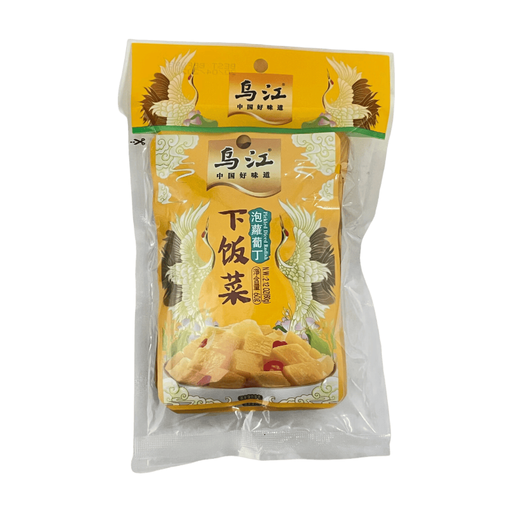
Why This Fits Their Persona: Four 60g portions provide a low-commitment way to try Chinese pickles with rice, noodles or packed lunches.
The multi-pack reduces the risk of opening one large pouch before you know whether the flavour suits you.
Radish makes up 93% of the listed ingredients; individual 60g packs are convenient for portion control.
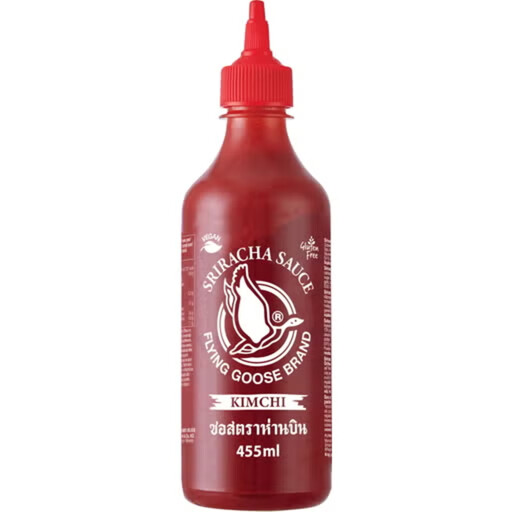
Why This Fits Their Persona: A versatile bottle suits cooks who want one sauce for noodles, rice bowls, stir-fries, soups and dipping.
The stated chilli and kimchi preparation percentages clarify the recipe rather than relying only on heat-focused packaging.
Contains 55% chilli and 13% kimchi preparation; the label states vegan and gluten-free.

Why This Fits Their Persona: The larger format is suited to households that regularly serve preserved vegetables with congee, rice or stir-fries.
The listed 600g quantity and declared minimum percentages make it easier to compare value with smaller pouches.
Bamboo shoots are listed at 70% or more, with pickled peppers at 3% or more; ready to eat after opening.
Use a small quantity of Chuan Lao Hui Pickled Chilli 280g in cold dishes, salads or rice to add vinegar-led acidity and bird’s eye chilli heat. Lao Gan Ma Preserved Black Bean in Chilli Oil is more suitable for savoury depth in noodles, stir-fried pork or tofu, although it contains soya and wheat.
For Korean-inspired meals, kimchi sriracha sauce works with fried eggs, chips and noodle bowls. For a non-Asian alternative, sliced green jalapeños can top tacos and nachos. These options show why it is useful to compare the product’s purpose, rather than selecting solely by the word “chilli”.
We have compiled a complete, real-time list of products that fully satisfy these strict selection criteria and UK safety regulations.
It depends on the product. Follow the label instructions: some sauces advise refrigeration and use within a stated period, while small ready-to-eat pouches may need to be consumed immediately or within 24 hours. Use clean utensils and keep opened products refrigerated where instructed.
Many are. Ready-to-eat products such as pickled bamboo shoots, radish cubes and some pickled chilli pouches can be served directly as snacks or side dishes. Others, particularly cooking sauces, are designed to be added to prepared food. Check the usage instructions before serving.
Not all products are suitable for every shopper. Common declarations include sulphites, soya, wheat, sesame, mustard and eggs. Always read the latest ingredient list and allergen statement on the packaging before purchase or consumption.