
24/7 Customer Support

Free returns

Same-day & Next-day Delivery

Quality Guaranteed

Unlock Your Welcome Offers: FREE Delivery | Up to 80% OFF | Free 30-day JoyPlus trial
Download the APP
Asian pickled vegetables can add acidity, spice, crunch and umami to everyday meals without requiring lengthy preparation. However, packaging can make similar-looking products difficult to compare. A small pouch of kimchi, a jar of pickled mustard greens and a frozen pack of lotus root all serve different purposes in the kitchen.
For UK shoppers, the most common buying mistakes are choosing a product without checking storage instructions, confusing fermented vegetables with vinegar-pickled foods and overlooking salt or allergen information. This guide explains the practical details to check before buying, followed by recommendations matched to different cooking habits.
Some products are designed as ready-to-eat Asian vegetables, while others require rinsing or cooking. Yu Yuan Suan Cai, for example, is supplied as naturally fermented pickled cabbage but the product instructions advise rinsing, draining and cooking before consumption. Frozen lotus root also requires thorough cooking.
By contrast, products such as ready-to-eat crispy cowpeas, bamboo shoots and some kimchi varieties can be served directly from the pack, subject to their storage and label instructions.
Kimchi and other fermented vegetables develop their flavour through fermentation, while many Chinese pickled vegetables use salt, vinegar, acidity regulators or a combination of methods. Neither description automatically indicates a particular nutritional or health outcome.
Check the ingredient list and preparation instructions rather than relying on front-of-pack terms. Korean kimchi commonly includes napa cabbage, radish, chilli, garlic, ginger and spring onion. Chinese pickled vegetables may include mustard greens, cabbage, bamboo shoots or radish, with a sharper salty, sour or spicy profile.
Ambient products are convenient for cupboards, packed lunches or travel, but they often need refrigeration after opening. Refrigerated kimchi should remain chilled and frozen Asian vegetables must stay at -18°C or below. Buying a large pack without a plan for using it can lead to waste, especially where instructions say to consume promptly or within a specified period.
Choose the format that suits your routine:
Pickled foods can vary considerably in salt, while seasoned products may contain added oil, sugar or flavour enhancers. For example, the listed nutrition information for Ma Liu Ji Chopped Pepper Crunchy Radish shows 35.7g fat and 3.1g salt per 100g, so it is more suitable as a small condiment or side than as a large serving.
For a lighter ingredient, Yu Yuan Suan Cai lists 18 kcal and 0g fat per 100g, although its salt content remains relevant. Compare the nutrition panel per 100g and consider how much you are likely to use with rice, noodles or soup.
Always read the current packaging, especially if you have allergies. Common ingredients in this category include:
Also check whether the product says ready to eat, drain before use or cook thoroughly. Product labels take priority over general serving suggestions.
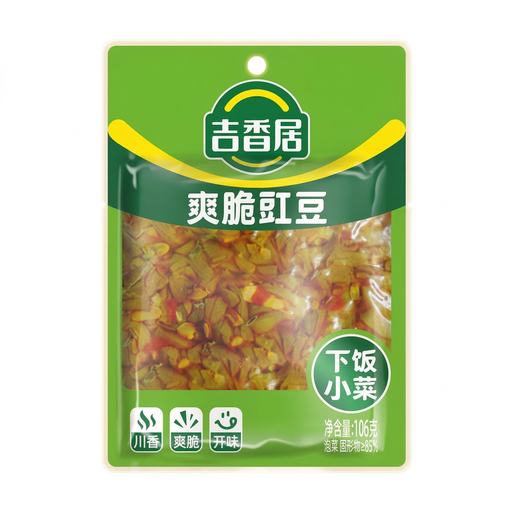
Why This Fits Their Persona: A compact, ready-to-eat Chinese side dish for trying Asian pickled vegetables without committing to a large jar.
The pack is labelled ready to eat, reducing preparation uncertainty for first-time buyers.
Crispy cowpea stems; suitable with porridge, rice and noodles.

Why This Fits Their Persona: A convenient Korean kimchi option for shoppers seeking sliced napa cabbage with a recognisable spicy, tangy and savoury profile.
The product clearly states ambient storage before opening and identifies soy in the allergen information.
150g sliced format; suitable for rice bowls, ramen, stir-fries and stews.
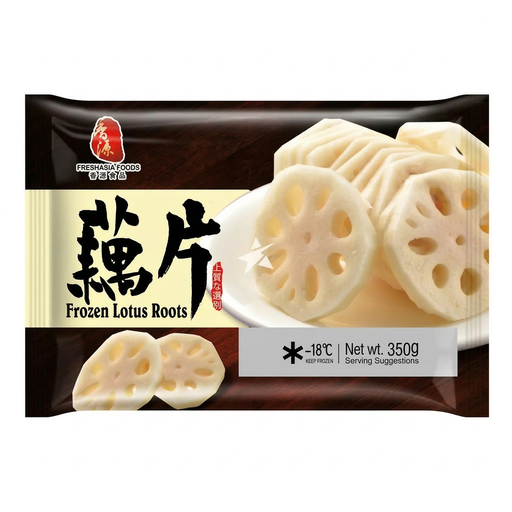
Why This Fits Their Persona: A practical choice for regular hot pots, soups, salads and stir-fries where consistent slices and freezer storage are useful.
It is clearly identified as frozen and cooking-required, so it is not mistaken for a ready-to-eat pickle.
100% lotus root; pre-sliced 350g pack for several cooked dishes.

Why This Fits Their Persona: A 300g format for households that regularly prepare fried rice, noodles, soups, stews or Southeast Asian-style side dishes.
The instructions explain how to keep it submerged in brine, refrigerate it after opening and use it within one week.
Mustard greens with chilli; listed uses include side dishes, fried rice, noodles, soups and stews.
We have compiled a complete, real-time list of products that fully satisfy these strict selection criteria and UK safety regulations.
Some are, but not all. Ready-to-eat products state this on the packaging. Frozen lotus root and frozen okra require cooking, while Yu Yuan Suan Cai advises rinsing and cooking. Always follow the individual product instructions.
Refrigerated kimchi should remain chilled. Ambient kimchi can be stored in a cool, dry place before opening, but it generally needs refrigeration after opening. Check the label and consume it within the stated period.
There is no single answer. Some products advise immediate consumption, while Chang Pickled Sour Mustard states that it should be refrigerated and used within one week. Keep opened vegetables sealed, follow the label and discard them if you notice mould, an unusual smell or a slimy texture.