
24/7 Customer Support

Free returns

Same-day & Next-day Delivery

Quality Guaranteed

Unlock Your Welcome Offers: FREE Delivery | Up to 80% OFF | Free 30-day JoyPlus trial
Download the APP
Asian pickled vegetables can add sharpness, crunch, heat and savoury depth to everyday meals. They work with sushi, rice, noodles, stir-fries, soups, curries and grilled foods, but choosing the right jar or pouch is not always straightforward.
Packaging can make similar products appear interchangeable when their flavours, preparation methods and storage requirements differ considerably. A few checks before buying can help you avoid paying for a large pack that does not suit your cooking habits.
Some Asian pickles are designed to be served directly, while others need rinsing, draining or cooking. For example, sushi ginger, takuan pickled radish and some bamboo shoots can be served immediately. By contrast, Chinese pickled cabbage may come with instructions to rinse and cook before consumption.
Check the usage instructions rather than relying on the product title. A product intended for soup or stir-frying may be too salty or strongly flavoured to eat straight from the pack.
Pickling preserves vegetables through salt, vinegar, fermentation or a combination of methods. That means the flavour can range from mildly sweet and sour to intensely salty or spicy. Look at the nutrition information per 100g, particularly salt and sugar, and remember that drained values may differ from the contents of the jar including brine.
Seasoned products may also contain chilli oil, sweeteners, flavour enhancers, preservatives or colourings. These are not automatically unsuitable, but they matter if you want a simple ingredient list or need to manage specific dietary requirements.
Ambient packaging is convenient, but refrigeration is often required once opened. Some products should remain submerged in brine and be consumed within a week; others should be used within a few days. If you cook for one or use pickles occasionally, a 150g or 210g pack may create less waste than a 500g jar.
Always follow the label on the product received, as storage guidance and best-before information can vary between batches and packaging formats.
There are several broad categories within Asian pickled vegetables:
UK food labels must identify relevant allergens, usually through emphasis in the ingredients list. Common points to check include:
For example, sushi ginger may be free from the 14 major allergens but can contain aspartame, while takuan may include soybeans and wheat from soy sauce. Always check the current packaging if you have an allergy or intolerance.
A 500g jar does not necessarily contain 500g of usable vegetables. Brine, vinegar or seasoning oil contributes to the total weight, so compare net quantity and drained weight where available. This is particularly useful when comparing pickled radish, sushi ginger and preserved bamboo shoots online.
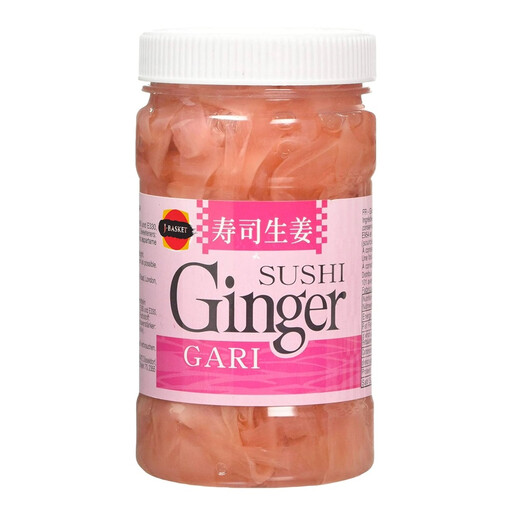
Why This Fits Their Persona: A versatile entry point for shoppers who want one ready-to-eat pickle for sushi nights, rice bowls and packed lunches.
The product is ready to eat and lists a 200g drained weight, making the usable quantity clearer than a jar labelled only with its total weight.
Sweet-and-sour flavour, crisp texture and a jar format suitable for repeated servings. Contains no listed major allergens, but does contain aspartame.
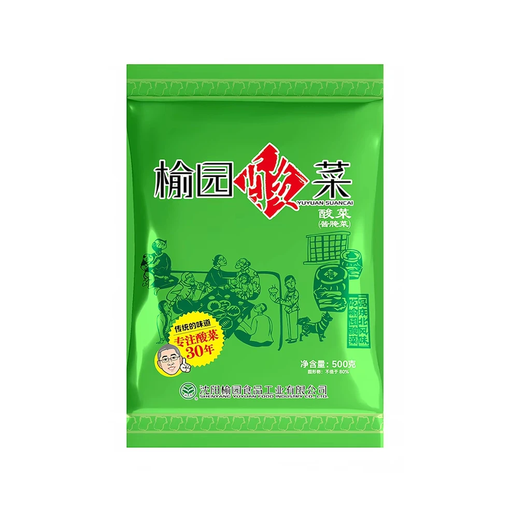
Why This Fits Their Persona: Suitable for home cooks who want a traditionally fermented Chinese cabbage ingredient for soups, fillings and cooked dishes.
Its instructions clearly state that it should be rinsed, drained and cooked, so shoppers are less likely to mistake it for a straight-from-the-jar side dish.
500g pack, no listed allergens and a simple ingredient profile including Chinese cabbage, salt and fermentation culture.
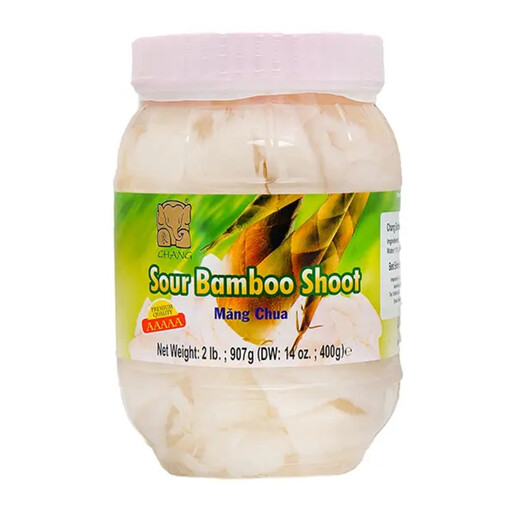
Why This Fits Their Persona: A practical larger-format option for frequent Thai cooking, including tom yum, curries, stir-fries and salads.
The sliced format reduces preparation work, while the listing explains that opened contents should be refrigerated and used within three to four days.
Approximate 907g quantity, sliced bamboo shoots and a lightly sour brine. Contains sulphites, which should be checked by sensitive shoppers.
We have compiled a complete, real-time list of products that fully satisfy these strict selection criteria and UK safety regulations.
Some are, including sushi ginger, many pickled radishes, kimchi and seasoned bamboo shoots. Others, such as certain Chinese pickled cabbage products, require rinsing and cooking. Confirm this in the usage instructions before serving.
There is no single timeframe. Examples in this selection range from two to three days for some bamboo shoots to around one week for several cabbage and mustard products. Pickled onions may have a longer stated post-opening period. Refrigerate and follow the specific product label.