
24/7 Customer Support

Free returns

Same-day & Next-day Delivery

Quality Guaranteed

Unlock Your Welcome Offers: FREE Delivery | Up to 80% OFF | Free 30-day JoyPlus trial
Download the APP
A simple bowl of rice, a quick portion of noodles or a comforting bowl of congee can be transformed into a satisfying meal with the right accompaniment. For many, that magic ingredient is a jar of Asian pickled vegetables. They offer a burst of salty, spicy and tangy flavour that can elevate the mundane. However, navigating the online aisles for these condiments in the UK can be tricky. Many shoppers find themselves disappointed with products that don't live up to their promise.
As the Joybuy Product Recommendation Officer, my role is to help you sidestep common purchasing mistakes. Here are a few pitfalls to watch out for:
To ensure you get a product that delivers the flavour and texture you're looking for, it helps to understand a few core characteristics.
The type of vegetable and how it's prepared forms the foundation of the pickle's character. Different vegetables offer distinct textures and flavour absorption qualities.
"Spicy" is a broad term. Understanding the different flavour dimensions will help you find your perfect match.
How the vegetables are preserved is key to their final taste and texture. Look for these common methods on the label:
Based on these criteria, here are a few recommendations tailored to different needs and preferences.
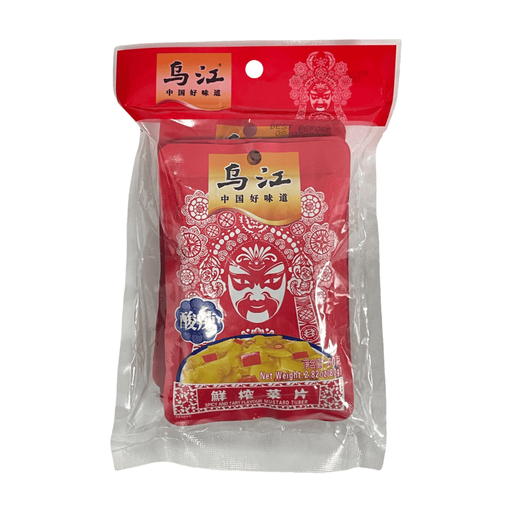
Why This Fits Their Persona: For those needing an instant flavour upgrade for a desk lunch or quick dinner, these single-serving packs are ideal. There's no need to open a large jar; just tear one open to add a zesty kick to noodles or rice.
It delivers a genuinely sharp, hot and sour flavour profile, avoiding the blandness of Westernised versions. The mustard tuber remains satisfyingly crisp.
The primary benefit is convenience. The 80g individual packs are hygienic, portable and prevent waste.

Why This Fits Their Persona: For anyone seeking the genuine taste of Sichuan, Lao Gan Ma is an iconic choice. This pickle is perfect for those who appreciate the complex, fragrant heat of a proper Chinese chilli oil condiment.
It sidesteps the soggy texture trap by preserving crisp mustard stems in the brand's signature chilli oil, not a watery brine. The flavour is unapologetically authentic and savoury.
The main advantage is the classic Lao Gan Ma flavour. It offers a rich, savoury and fragrant spice that is difficult to replicate.
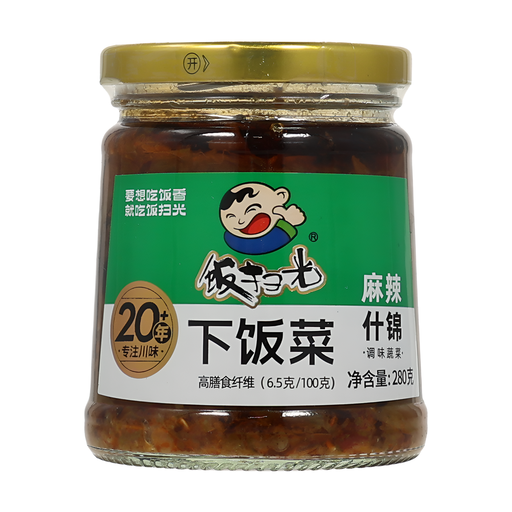
Why This Fits Their Persona: This pickle is for those who enjoy variety. Instead of a single vegetable, it offers a medley including king oyster mushrooms, cowpea and wood ear fungus, providing a new experience for the curious palate.
By combining multiple ingredients, it avoids the one-note texture trap. The mix of crunchy, chewy and tender vegetables in a spicy oil base creates a rich, multi-layered eating experience.
Its key advantage is the complex texture. The blend of king oyster mushroom, leaf mustard and wood ear fungus offers a varied and interesting bite.
We have compiled a complete, real-time list of products that fully satisfy these strict selection criteria and UK safety regulations.
1. How long do Asian pickled vegetables last after opening? Once opened, most jarred pickles should be refrigerated and consumed within a few weeks. Oil-based pickles may last slightly longer than brined ones. Always check the packaging for specific storage instructions, as it can vary. For single-serving packs, they are designed to be consumed immediately after opening.
2. Are Asian pickles a healthy choice? Pickled vegetables can be a flavourful way to add vegetables to your diet. However, they are primarily a condiment and are often high in sodium. It's advisable to check the nutritional information for salt and sugar content and enjoy them in moderation as part of a balanced diet. Fermented options like kimchi also contain probiotics, which can be beneficial for gut health.
3. What is the difference between Chinese pickles and Korean kimchi? While both are types of pickled vegetables, their preparation and flavour profiles are distinct. Chinese pickles (like zhacai) are incredibly diverse but are often preserved in a brine or a spicy oil with ingredients like Sichuan pepper. Kimchi is a specific type of Korean fermented dish, almost always made with napa cabbage and Korean chilli powder (gochugaru), giving it a characteristic tangy, spicy and deeply umami flavour from the fermentation process.