
24/7 Customer Support

Free returns

Same-day & Next-day Delivery

Quality Guaranteed

Unlock Your Welcome Offers: FREE Delivery | Up to 80% OFF | Free 30-day JoyPlus trial
Download the APP
Bringing the vibrant, complex flavours of East Asian cuisine into your home kitchen has never been easier. A key component of many authentic meals, from Korean barbecues to Japanese bento boxes, is the humble yet flavourful world of Asian pickled vegetables. These accompaniments provide a delightful contrast in texture and taste, cutting through rich dishes with their signature tang, spice or sweetness.
However, with a growing number of options available online, choosing the right product can feel overwhelming. This guide is designed to help you navigate the choices, understand the key differences between popular varieties and select the perfect pickled vegetables to complement your meals. We will look at what makes each type unique and offer some practical advice for your next online food shop.
Before adding items to your basket, considering a few key points can ensure you get the flavour and texture you are looking for.
The term "pickled vegetables" covers a vast range of products. In East Asian cuisine, two of the most popular categories are Korean kimchi and various types of pickled radish.
The ingredients list provides a clear picture of the product's flavour profile. Look for the type of vegetable used (e.g., napa cabbage, daikon radish) and the pickling agents. Some products use traditional fermentation, while others are pickled in a brine of vinegar, salt and sugar. Pay attention to sweeteners like aspartame or spices like chilli to match the product to your taste preferences.
How you plan to use and store your pickled vegetables matters. Many traditional products require refrigeration. However, some modern options, like ambient-stable kimchi, are specially packaged to be stored in a cool, dry pantry until opened. This offers excellent convenience for those who want to stock up on Korean food online or have limited fridge space.
Here are a few distinctive options available to UK home cooks, each offering a different taste and culinary use.
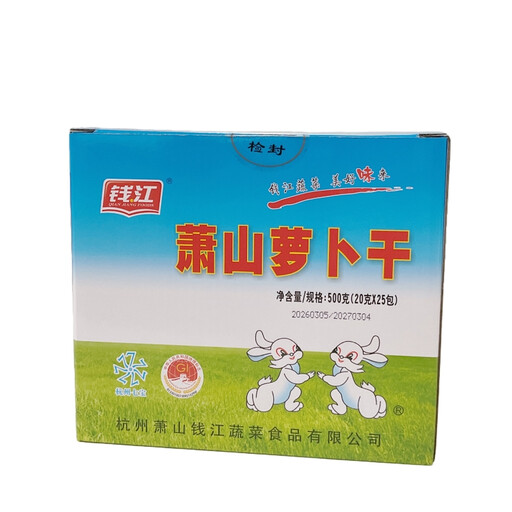
Why It Stands Out: Originating from Xiaoshan in Zhejiang, a region known for its preserved vegetables, this product offers an authentic Chinese flavour. The radish is pickled with salt, chilli and other spices, creating a savoury and mildly spicy taste that is ready to eat straight from the packet. Its satisfying crunch makes it an excellent accompaniment.
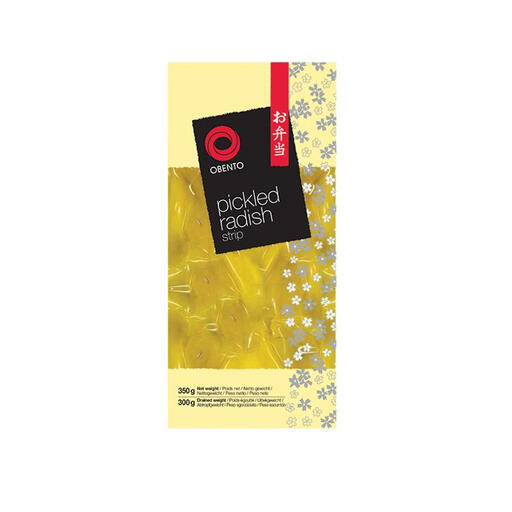
Why It Stands Out: These pre-cut strips are a perfect example of Japanese takuan. Their vibrant yellow colour and sweet-tangy flavour are characteristic of this popular pickle. The convenient strip format makes them incredibly versatile, saving you preparation time when assembling sushi rolls or bento boxes.

Why It Stands Out: This product solves a common storage challenge. As an ambient product, it can be kept in your pantry until you are ready to use it, making it a fantastic staple. Made in South Korea with salted napa cabbage, it delivers an authentic, tangy and spicy kimchi flavour. The cabbage is pre-sliced, making it easy to add to ramen, stir-fries or serve as a simple side dish.
Our recommendations cover a few of the most popular styles, but the world of Asian side dishes is wonderfully diverse. If you are searching for different spice levels, vegetable types or regional specialities, there are many more products to discover.
To see a wider selection, feel free to browse our complete range of Pickled vegetable.
They are most commonly served as Asian side dishes to accompany a main meal. In Korean cuisine, kimchi and other banchan are served with nearly every meal, including grilled meat, stews and rice. Pickled radish is often paired with fried foods, included in sushi rolls or served alongside noodle dishes to provide a refreshing contrast.
For standard refrigerated kimchi, it can last for several months in the fridge. The flavour will continue to develop, becoming more sour and intense over time as it ferments. For ambient-stable products like the Bibigo Sliced Kimchi, it is best to follow the package instructions and consume it shortly after opening to enjoy its intended flavour and texture.
Takuan is a specific type of Japanese pickled daikon radish, easily recognised by its yellow colour and typically sweet, tangy taste. So, while all takuan is a form of pickled radish, not all pickled radish is takuan. Chinese and Korean cuisines have their own distinct styles of pickled radish, which may be spicier, saltier or prepared differently.