
24/7 Customer Support

Free returns

Same-day & Next-day Delivery

Quality Guaranteed

Unlock Your Welcome Offers: FREE Delivery | Up to 80% OFF | Free 30-day JoyPlus trial
Download the APP
For many of us, a small dish of tangy, crunchy pickles is what turns a simple meal into a satisfying one. Whether it's the fiery kick of Sichuan pickles alongside a bowl of noodles or the savoury crunch of Indian achar with rice, these Asian condiments are a staple. However, finding authentic, high-quality Asian pickled vegetables online in the UK can be a challenge. Too often, what arrives is a disappointment.
As the Joybuy Product Recommendation Officer, my role is to help you navigate the market and avoid common purchasing mistakes. Before you add that next jar to your basket, be aware of these frequent pitfalls:
To ensure you get the flavour and quality you are paying for, focus on a few key details that go beyond the marketing claims on the front of the jar.
The specific vegetable used is the most critical factor. Pickled mustard greens (known as zha cai 榨菜 in Chinese) are a classic, offering a firm, knobbly texture and a deep, savoury flavour. They are often shredded or sold in chunks. In contrast, pickled Chinese cabbage (suan cai 酸菜) is much softer and tangier, making it an ideal ingredient for soups and stews. Other common bases include radish, which provides a crisp bite, and cowpeas, which are tender yet firm. The cut—shredded, sliced or whole—also dictates its use. Shredded varieties are perfect as a quick side dish for rice, while larger pieces are better suited for cooking.
"Asian pickles" is a vast category. To find the right one, you need to know the regional style you are after.
A transparent ingredient list is your most reliable guide. Look for key flavouring agents that define the pickle's authenticity, such as rapeseed oil and Sichuan pepper in Sichuan-style pickles or mustard and mango in an achar. Be mindful of the order of ingredients; if sugar or a sweetener appears near the top of the list, the product is likely to be sweeter than traditional versions. Also, check for flavour enhancers like MSG (E621) and preservatives, which can be a deciding factor depending on your personal preference.
Based on these practical criteria, here are a few recommendations matched to different needs and tastes.
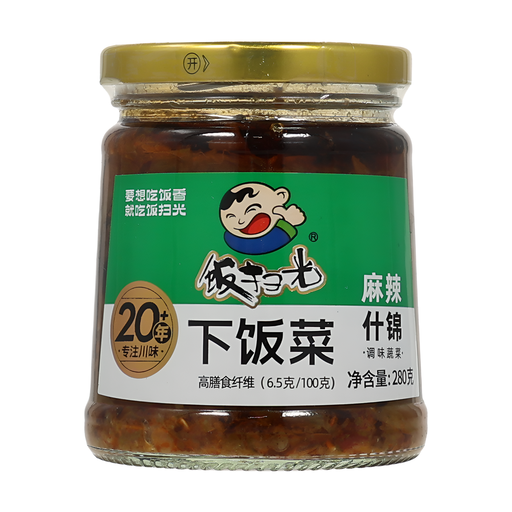
Why This Fits Their Persona: This is for someone who wants a ready-to-eat condiment that instantly adds flavour and texture to rice, noodles or steamed buns. The mix of vegetables provides variety in a single jar, making it a convenient pantry staple.
It directly counters the "bland flavour" trap. The ingredient list clearly includes chilli and Sichuan pepper, delivering an authentic, spicy Sichuan-style profile rather than a toned-down version.
Features a rich mix of vegetables including king oyster mushroom, cowpea and wood ear fungus for a complex texture. It is ready to eat straight from the jar.
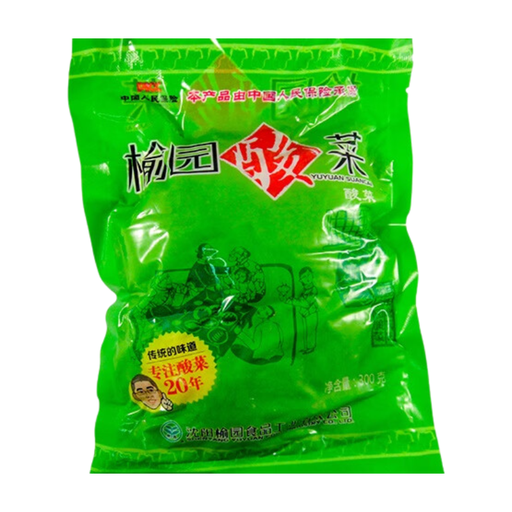
Why This Fits Their Persona: This is for the cook who needs a specific ingredient for traditional recipes like pickled cabbage and fish soup (*suan cai yu*) or for making dumpling fillings. Its primary purpose is cooking, not as a direct-to-table condiment.
It avoids the texture disappointment by being designed for cooking. Its tangy, sour profile and softer texture are exactly what is needed to infuse flavour into soups and stir-fries, rather than being a crunchy topping.
Provides the authentic sour flavour essential for many classic Chinese dishes. It is shredded for convenience, saving preparation time in the kitchen.
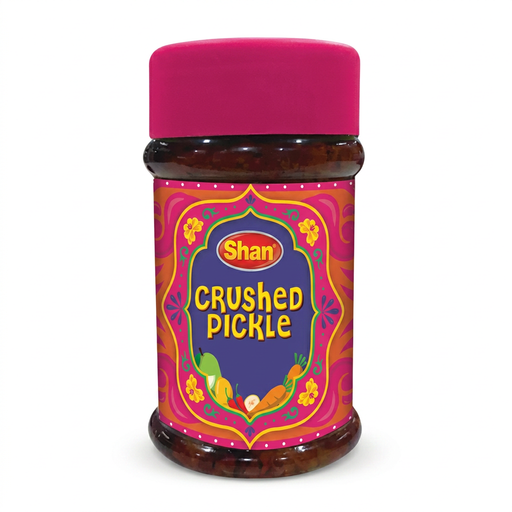
Why This Fits Their Persona: Perfect for anyone seeking the bold, complex taste of a traditional Pakistani or Indian achar. It is ideal for pairing with curries, roti, paratha or simply a bowl of dhal and rice to add a powerful flavour boost.
This product avoids vague labelling. The ingredients clearly state a blend of mango (35%), carrot (25%) and lemon, along with a full list of spices, ensuring you get the authentic, multi-layered achar flavour.
Delivers a robust and authentic South Asian flavour profile. The large 750g pack size offers great value for regular users and families.
We have compiled a complete, real-time list of products that fully satisfy these strict selection criteria and UK safety regulations.
Once opened, most oil-based or brined pickles should be stored in the refrigerator in a sealed container. They generally last for several weeks to a few months, but always check the packaging for specific storage instructions. The high salt and acid content acts as a natural preservative, but refrigeration helps maintain their texture and flavour.
This depends on the product and your preference. For very salty pickles, especially those intended for cooking like suan cai or some zha cai, a quick rinse can help control the saltiness of your final dish. For ready-to-eat condiments, rinsing is not usually necessary as it can wash away the flavourful oils and spices.
The main difference lies in the flavour profile and preservation method. Chinese pickles often feature stronger, more aggressive flavours—salty, spicy and pungent—and are frequently preserved in oil, brine, or a spicy paste. Japanese pickles (tsukemono) tend to be more subtle and are prized for their clean taste, texture and colour. They are often pickled with salt, vinegar and sometimes koji or rice bran, with an emphasis on balancing the flavours of a meal rather than dominating it.