
24/7 Customer Support

Free returns

Same-day & Next-day Delivery

Quality Guaranteed

Unlock Your Welcome Offers: FREE Delivery | Up to 80% OFF | Free 30-day JoyPlus trial
Download the APP
Asian pickles can add sourness, spice, crunch and umami to an ordinary meal, but the label on the front of a jar does not always tell you how it will taste or how it should be used. UK shoppers comparing Korean kimchi, Chinese pickled mustard greens, Japanese pickled radish, Thai pickled garlic and Indian pickle need to look beyond pack size and promotional wording.
The most common purchasing mistakes are easy to avoid:
Start by deciding whether you want fermented vegetables, vinegar pickles or an oil-based Indian pickle.
Do not assume that “traditional” means one fixed taste. Check the ingredient list for vinegar, lactic acid, fermentation cultures, sugar, oil and chilli levels.
Texture affects how easily a product fits your meals. Sliced or shredded pickles are convenient for ramen, rice bowls and sandwiches, while whole radish or garlic gives you more control over cutting and presentation.
Pack size should match your household. A 100–150 g pack may suit occasional use or first-time sampling. Packs around 280–500 g are more practical for regular cooking, family meals or batch preparation. Larger jars can offer convenience for frequent users, but check the after-opening instructions before buying in bulk.
Pickles are preserved in salty, acidic or seasoned brine, so compare the salt value per 100 g rather than relying on serving suggestions. Rinsing and draining can alter the eating experience, but it does not replace reading the label.
For UK shoppers, allergen checks are particularly important:
Follow the product’s storage guidance. Ambient products should be kept in a cool, dry place before opening; refrigerated products should remain chilled. After opening, use a clean utensil, keep the food covered by brine where instructed and refrigerate when required.

Why This Fits Their Persona: The 150 g size gives newcomers a manageable way to try Korean kimchi without committing to a larger jar. It can be served with rice, ramen or stir-fries.
The sliced format removes preparation effort, while ambient storage avoids the need to make fridge space before opening.
South Korean origin; 76.2% salted napa cabbage; ready to eat. Contains soy, so check the label before purchase.
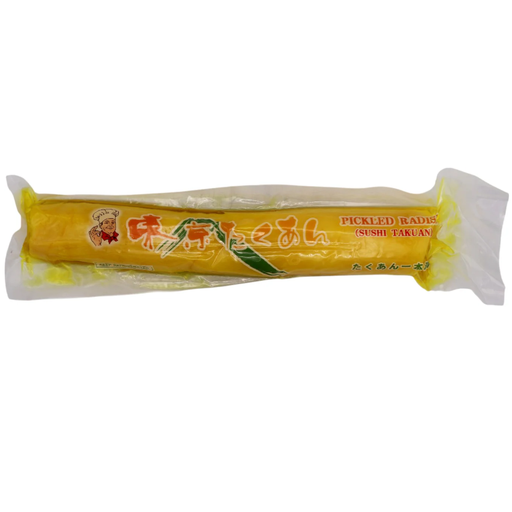
Why This Fits Their Persona: Suitable for shoppers looking for a substantial Japanese-style daikon pickle with a firm texture for sushi, ramen, donburi, bento and grilled dishes.
The whole 500 g format makes the cut and portion easy to control, rather than limiting you to pre-sliced pieces.
Ready to eat; can be rinsed lightly for a less salty taste; suitable for slicing or chopping. Contains wheat and soybeans.
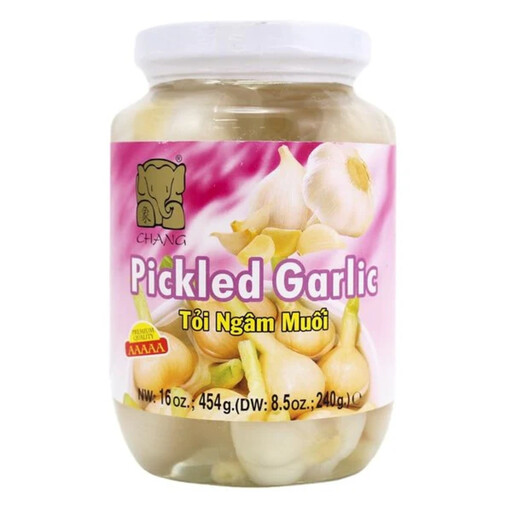
Why This Fits Their Persona: A practical choice for frequent Thai cooking, especially when pickled garlic is used alongside noodle soups, fried rice, grilled meat or curry.
The 454 g jar is designed for repeated use, avoiding several small packs when garlic is a regular ingredient.
Contains 50% garlic; whole cloves are ready to use; refrigerate after opening and consume within four weeks. Contains sulphites.
Most products can be served directly, but preparation can improve the balance:
For cooking, avoid prolonged heating when texture matters. A pickle added at the end of a stir-fry will usually retain more crunch than one simmered for a long period.
We have compiled a complete, real-time list of products that fully satisfy these strict selection criteria and UK safety regulations.
Many are, including sliced kimchi, pickled radish, pickled garlic and several pickled mustard products. However, some fermented cabbage products are labelled for cooking before consumption. Always follow the usage instructions on the specific pack.
There is no single shelf life. Some products advise consumption soon after opening, while others specify one to four weeks or longer when refrigerated. Use the pack directions, keep the jar sealed and discard food if you notice mould, an unusual odour or a slimy texture.
Small packs can be economical for occasional tasters, while 300–500 g jars may offer better value for households that use pickles regularly. Compare the price per 100 g, storage requirements and likely usage rather than choosing solely by the largest net weight.