
24/7 Customer Support

Free returns

Same-day & Next-day Delivery

Quality Guaranteed

Unlock Your Welcome Offers: FREE Delivery | Up to 80% OFF | Free 30-day JoyPlus trial
Download the APP
Asian pickles and fermented vegetables can add acidity, crunch, heat and savoury depth to otherwise simple meals. However, choosing between kimchi, Japanese pickles, Chinese pickles and Thai pickles is not always straightforward. Labels such as “traditional”, “authentic” and “fermented” can describe very different products.
A useful shopping decision starts with the ingredients, storage instructions and intended use rather than front-of-pack marketing.
Pickling and fermentation are different processes. Vinegar-pickled onions, pickled garlic and some pickled radish products use an acidic brine, while kimchi, sauerkraut and naturally fermented cabbage develop flavour through fermentation. Some products may combine methods.
If you are specifically looking for fermented vegetables, check the ingredients and preparation details. A product containing vinegar or an acidity regulator may be a quick-pickled condiment rather than a traditionally fermented food.
Pickles are designed to taste concentrated, so salt levels can vary significantly. Nutrition panels normally show salt per 100g, but the drained weight may be lower than the total contents. Sweetened products, such as pickled onions or some takuan pickled radish, can also contain more sugar than expected.
For regular use, compare the nutrition panel and consider rinsing or draining where appropriate. This can soften the intensity without removing all the crunch.
Shelf-stable jars and chilled fermented foods have different storage requirements. A product may be suitable to eat straight from the pack but still require refrigeration after opening. Some items should be consumed within a week, while others have a longer opened shelf life.
Always follow the packaging, keep vegetables submerged in brine when instructed and use clean utensils to reduce contamination.
Choose according to how you plan to eat the product:
Under UK food labelling requirements, declarable allergens should be emphasised in the ingredients list. Check carefully for fish, wheat, soybeans, sesame, mustard, barley and sulphites.
For example, some Korean kimchi contains fish sauce, while takuan may contain wheat and soy from soy sauce. Pickled onions may contain barley and sulphites, and pickled garlic can also contain sulphites. A “vegetable” description does not automatically mean vegan or allergen-free.
A 100g pack can suit occasional serving, while 300g to 500g jars are more practical for households using pickles several times a week. Whole radishes and cabbage leaves offer flexibility but may need slicing. Pre-cut kimchi and mixed vegetable pickles are convenient for quick meals.
Also check whether the item is ready to eat or requires cooking. Some naturally fermented Chinese cabbage products are intended to be rinsed, cut and cooked before consumption.
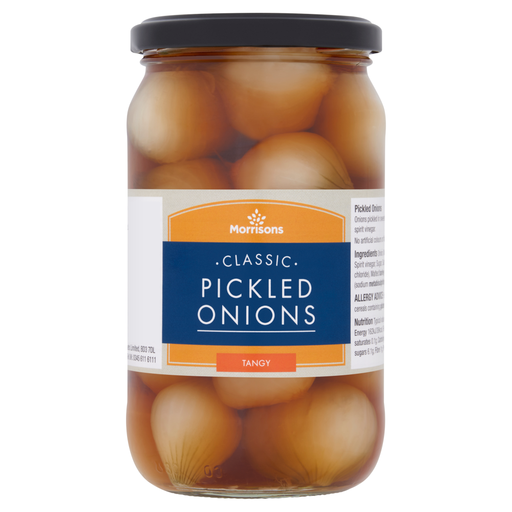
Why This Fits Their Persona: A familiar, versatile option for shoppers trying Asian-inspired condiments or adding acidity to sandwiches, salads and grilled meals without buying a specialist ingredient.
The label clearly identifies sweetened spirit vinegar rather than implying fermentation. Its 440g jar also provides a defined opened-storage instruction of refrigeration and use within six weeks.
Contains 55% onions; suitable for vegans. The product information lists no artificial colours or flavours.
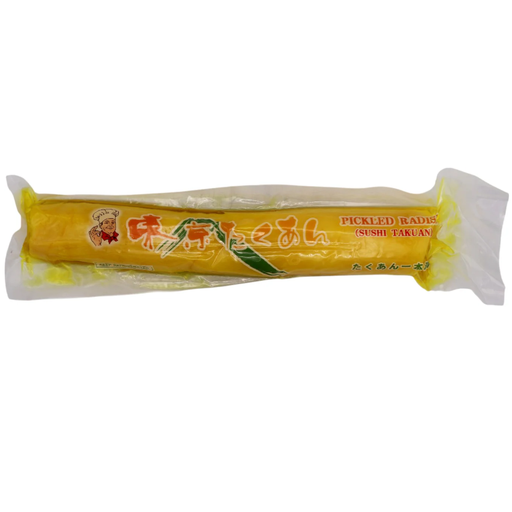
Why This Fits Their Persona: Suitable for cooks who want a substantial Japanese pickle for slicing alongside sushi, ramen, donburi, grilled meats or bento-style lunches.
The listing explains how to rinse lightly for a less salty taste and states that the opened product should be refrigerated and consumed within seven days.
500g whole daikon pack; ready to eat and slice or chop. Contains wheat and soybeans, which are clearly identified for checking.
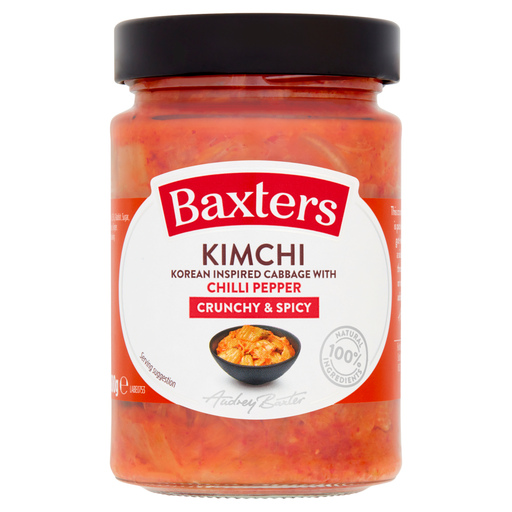
Why This Fits Their Persona: A practical choice for home cooks who regularly prepare rice bowls, noodles, wraps, stir-fries, soups or stews and want one ready-to-eat Korean-style condiment.
It is explicitly labelled ready to eat, with a stated one-week refrigerated-use period after opening. The ingredient list also identifies fish and wheat allergens.
300g pack with cabbage listed at 83%; crunchy texture and chilli flavour. It can be added towards the end of cooking when retaining texture matters.
Other useful choices include Baxters Sauerkraut Fermented Cabbage 480g for a simple cabbage-based accompaniment, Chang Pickled Garlic 454g for Thai-style meals and Da Mao Young Bamboo Shoot 140g ×2 for noodles, congee, stir-fries and hot pot. For cooking rather than direct serving, Yu Yuan Suan Cai Pickled Cabbage 500g is listed with instructions to rinse, cut and cook thoroughly.
We have compiled a complete, real-time list of products that fully satisfy these strict selection criteria and UK safety regulations.
Many are ready to eat, including kimchi, pickled onions, takuan pickled radish, pickled garlic and Japanese pickles. Others, such as some Chinese pickled cabbage products, may instruct you to rinse and cook them. Check the usage instructions on the individual pack.
It depends on the product. The examples above range from two to three days for some bamboo shoots, one week for certain kimchi and fermented cabbage products, four weeks for pickled garlic and six weeks for pickled onions. Refrigerate and follow the specific label instructions.
Kimchi works well with rice, noodles and stir-fries when you want chilli heat and fermented cabbage. Pickled mustard greens add sourness to fried rice and soups, while bamboo shoots provide a crisp, savoury texture. For a milder side dish, try takuan, pickled radish or shibazuke mixed vegetable pickles.